 Frank Rondel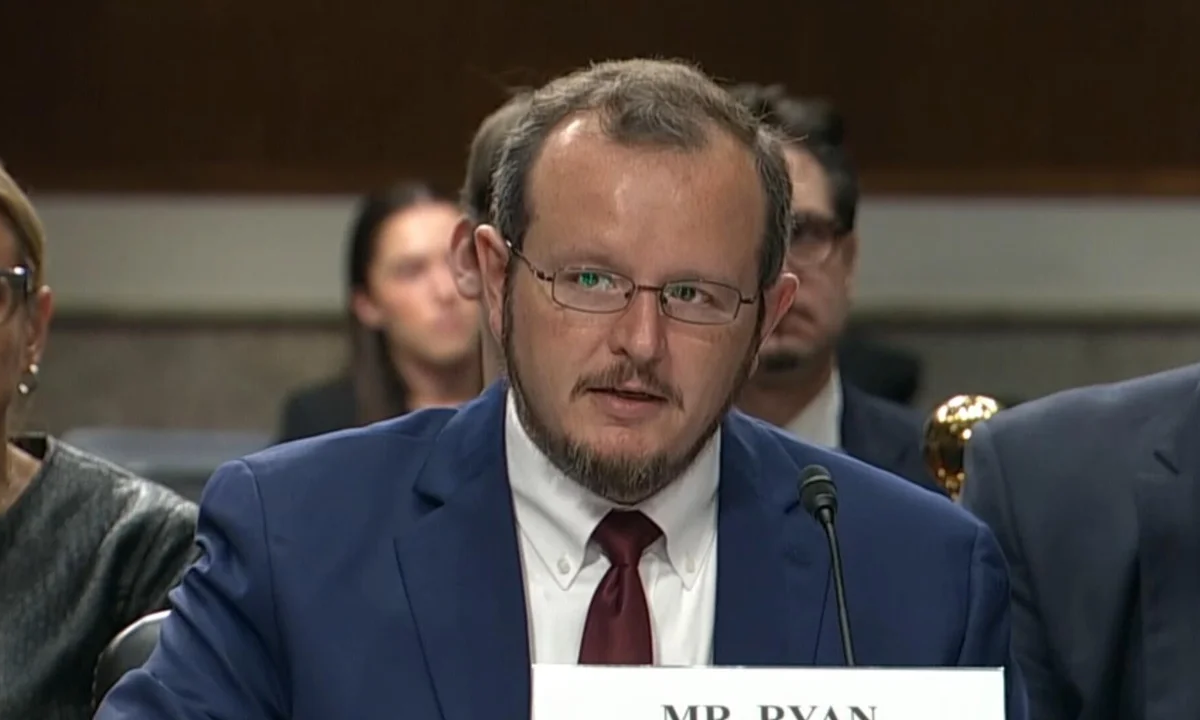
A former U.S. Immigration and Customs Enforcement (ICE) instructor told Congress on Monday that the agency’s rapid recruitment push is placing new officers in the field without sufficient training to carry out immigration enforcement legally, reports customreceipt.com via CBS. Ryan Schwank, who resigned from ICE less than two weeks ago, said cadets are graduating despite failing to demonstrate knowledge of both legal requirements and tactical procedures necessary for their duties. Schwank emphasized that without immediate reform, thousands of new officers may enter service unaware of constitutional limits and unable to recognize unlawful orders.
Schwank, an attorney and former ICE employee, resigned on February 13 in protest, according to congressional aides. Represented by Whistleblower Aid, he is among the first officials who served under the second Trump administration to publicly criticize ICE’s training standards. During the congressional hearing, Schwank described the Basic Immigration Enforcement Training Program as “deficient, defective, and broken,” asserting that ICE misrepresented the scope and depth of training provided to new recruits.
Internal ICE documents obtained by Congress, and shared with CBS News, show the officer training program syllabus was reduced from 72 days in July 2025 to 42 days by February 2026. Key use-of-force courses and firearms training were removed, while some recruits are now receiving roughly half the training hours of previous cohorts. Exams for cadets have also been scaled back, eliminating assessments on critical topics such as encounter procedures and judgment in firearms use.
The Department of Homeland Security (DHS), which oversees ICE, denied that any training requirements were cut, stating that revisions were intended to remove redundancy and incorporate technological updates. DHS maintained that recruits still receive the same fundamental instruction in use-of-force policies and ICE-specific law. Schwank disputed this during testimony, highlighting that constitutional rights instruction and firearms safety training were significantly reduced.
Acting ICE Director Todd Lyons testified earlier this month that recruits with prior law enforcement experience undergo a shortened program, focusing mainly on immigration law and ICE-specific procedures. Documents shared with Congress indicate ICE expects about 4,000 new recruits to graduate by September, part of a broader plan to hire 10,000 officers under the One Big Beautiful Bill Act.
Schwank, first hired by ICE in 2021, also served as a legal adviser at the agency’s family detention center in Dilley, Texas, and represented ICE during immigration proceedings. He initially raised concerns in a whistleblower complaint in January, alleging that Trump administration officials encouraged tactics that violated constitutional protections. Among the directives disclosed was one from Lyons permitting warrantless home entries for individuals with deportation orders, reversing long-standing policies requiring judicial warrants.
Former DHS general counsel Stevan Bunnell, testifying alongside Schwank, cited Supreme Court rulings that such administrative warrants are unconstitutional, noting, “The police can’t sign their own warrants.” Meanwhile, internal documents reveal that ICE plans to graduate over 3,000 enforcement officers by June. Democratic Senator Richard Blumenthal praised Schwank’s testimony as fulfilling “a moral imperative,” encouraging others to come forward if they observe unlawful directives.
ICE faces significant pressure from the White House to increase arrests and deportations under the Trump administration, which aims for the largest deportation operation in U.S. history. Last year, ICE made nearly 400,000 arrests, or roughly 1,000 per day—below the target of 3,000 but an increase from previous averages. According to DHS records, less than 14% of those arrested had violent criminal histories, while 60% had criminal charges or convictions and 40% had no prior criminal record beyond civil immigration violations.
Earlier we wrote that Bonnie Blue Confirms Pregnancy Weeks After Unprotected Sex With 400 Men in Record Event