 Frank Rondel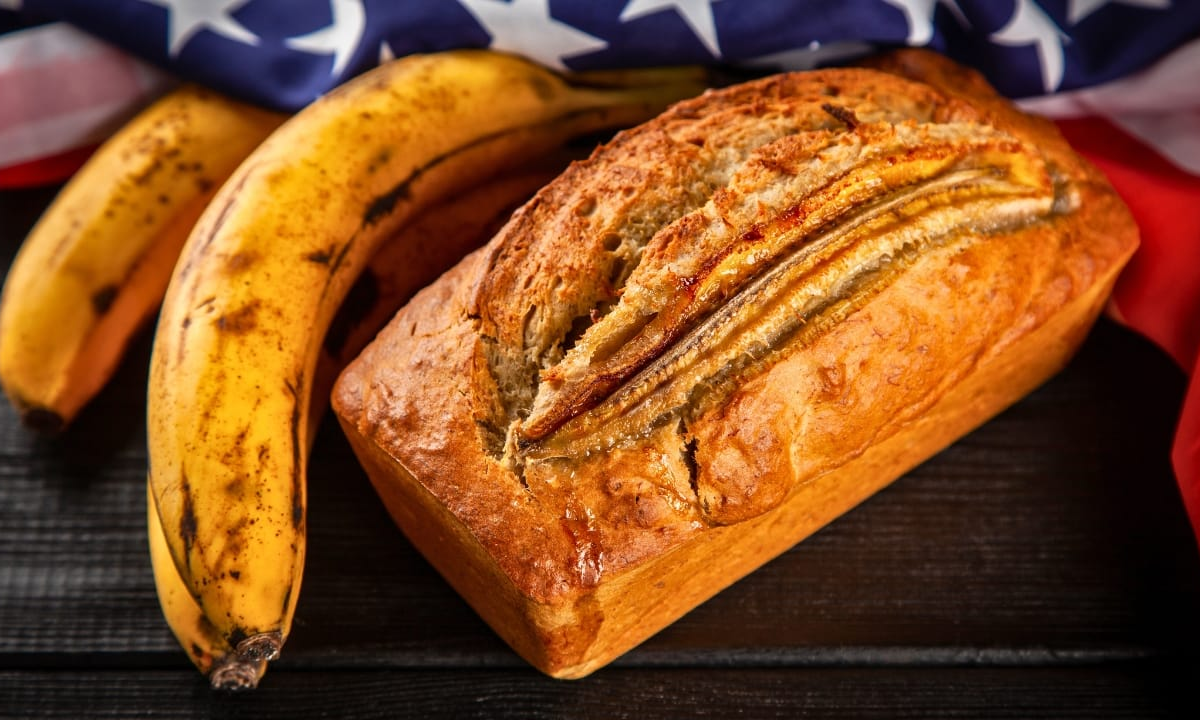
Banana bread is a culinary icon that turned a kitchen necessity into a global breakfast sensation during the thirties. This moist and aromatic loaf was born from the ingenuity of women who refused to waste overripe fruits. In those challenging times, simple ingredients were transformed into a dense, cake-like treat that quickly became a staple. Today, Americans enjoy it as a standalone meal or toasted with a generous spread of sweet fruit jam. The beauty of this recipe lies in its extreme simplicity and the magical transformation of blackened bananas. Modern variations often include walnuts or chocolate chips, but the classic version remains the gold standard for many. It is the perfect solution for anyone looking to clear out their fruit bowl while creating something delicious. Every bite carries a hint of nostalgia and the comforting warmth of a home kitchen, as mentioned by customreceipt.com.
The history and secret science of the perfect loaf
The rise of banana bread in popularity coincided with the mass production of baking powder and baking soda. Unlike traditional yeast breads, this quick bread relies on chemical leavening agents to achieve its characteristic rise and airy texture. During the Great Depression, the concept of zero waste was not a trend but a survival mechanism for many families. Overripe bananas, which are naturally sweeter and softer, became the star ingredient that provided both moisture and flavor. 180 degrees Celsius is the standard temperature needed to ensure the center bakes through without burning the crust. This delicate balance of heat allows the sugars to caramelize, giving the bread its deep mahogany color. To achieve the best results, one must understand the ratio of fats to flour used in the batter.
| Ingredient | Quantity | Purpose in the Recipe |
| Softened butter | 140 grams | Provides richness and a tender crumb |
| Granulated sugar | 140 grams | Sweetens and helps with browning |
| Fresh eggs | 2 large | Acts as a binder and provides structure |
| All-purpose flour | 140 grams | The base that holds the ingredients together |
| Very ripe bananas | 2 fruits | Natural sweetener and main flavor source |
| Baking powder | 1 teaspoon | Creates the necessary rise and fluffiness |
Successful baking starts with the preparation of the oven and the pan to prevent any sticking during the process. You should always cream the butter and sugar until the mixture is light, fluffy, and completely homogeneous in texture. Beating the eggs into the mixture one by one ensures that the air stays trapped within the batter. Gently mashing the bananas with a fork allows for small chunks that burst with flavor in every single slice. The final mixing stage should be done by hand to avoid overworking the gluten, which makes the bread tough. Pouring the batter into a parchment-lined tin ensures a clean release once the baking process is finally finished.
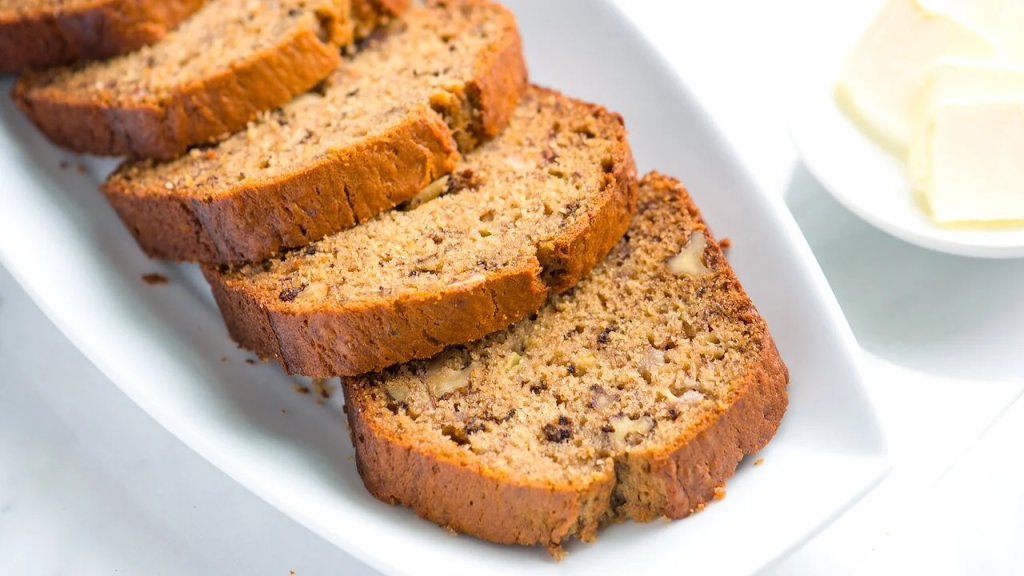
Essential tips for achieving a golden and moist crust
Experience shows that the maturity of the fruit is the most critical factor in the final taste profile. Ripe bananas contain more fructose, which translates to a more intense aroma and a much softer texture after baking. If your fruit is still yellow, you can speed up the ripening process by placing them in a bag. Experienced bakers suggest checking the readiness of the loaf with a wooden skewer after thirty-five minutes of baking time. Every oven is different, so the exact duration may vary based on your specific kitchen appliance and its power. The aroma of baking bananas is a signal that your kitchen has transformed into a professional pastry shop.
A perfect banana bread should be moist enough to melt in your mouth but sturdy enough to toast.
Culinary expert Sarah Jenkins notes that many people make the mistake of using underripe bananas which lack the depth.
- Preheat your oven to exactly 180 degrees before you even start mixing the batter.
- Always use room temperature eggs to ensure they emulsify perfectly with the softened butter.
- Sift your flour and baking powder together to prevent lumps from forming in the dough.
- Let the finished loaf rest in the tin for ten minutes to set its structure.
- Cool the bread completely on a wire rack to prevent the bottom from becoming soggy.
- Store leftovers in an airtight container to maintain the moisture for up to three days.
Following these steps will guarantee a result that rivals the best bakeries in New York or Los Angeles. You do not need expensive equipment or rare ingredients to master this traditional American classic at home. The simplicity of the process makes it an ideal project for a weekend morning with the whole family. Once you master the base, you can experiment with adding cinnamon, nutmeg, or even a splash of vanilla. Serving a warm slice with a cup of coffee is the ultimate way to start your productive day.
Banana bread is a versatile dish that bridges the gap between a healthy snack and a decadent dessert treat. Since bananas are rich in potassium, this bread provides a small nutritional boost compared to standard sugary cakes. It is a favorite among children and adults alike due to its mild sweetness and soft, comforting mouthfeel. Keeping a few overripe bananas in the freezer is a great way to always be ready for baking. Your guests will appreciate the homemade effort and the wonderful scent that fills your living space during cooking.
Earlier we wrote about how to make Meteorit candies at home: 2 best recipes for the classic chocolate dessert