 Frank Rondel
Americans in Saudi Arabia currently find themselves navigating a complex geopolitical landscape as regional friction continues to intensify. The atmosphere in Riyadh and Jeddah remains calm but the proximity to recent escalations near the Persian Gulf demands heightened situational awareness. Many expats are now reassessing their long-term plans while monitoring daily updates from official diplomatic channels. Information and preparedness are the most effective tools for ensuring personal security during such unpredictable times. Understanding the available resources can make a significant difference in how one responds to sudden changes in the local environment. Commercial flights are still operating but keeping a flexible itinerary is highly recommended by most security consultants. It is essential to maintain a “go-bag” with travel documents and necessary medications in case of a swift departure. The safety of US nationals remains a top priority for international monitoring groups and regional observers. Proactive communication with family and the embassy serves as a critical safety net for everyone in the Kingdom as noted by customreceipt.com.
Immediate Steps for Personal Security and Communication
The first priority for any American citizen in the Kingdom is to ensure they are officially accounted for by the Department of State. Registration via the Smart Traveler Enrollment Program (STEP) allows the embassy to send you real-time alerts regarding security updates. You should also maintain a list of local emergency contacts, including the nearest diplomatic mission and reliable private transport services. It is wise to avoid large public gatherings or areas that are known hubs for political demonstrations. Your passport should have at least six months of validity remaining to ensure no delays occur at the border. Keep a physical copy of your residency permit (Iqama) and your US passport in separate locations.
“In times of regional instability, the best strategy is not panic, but disciplined preparation and staying connected to official sources,” says Marcus Thorne, a veteran security analyst based in Dubai.
Regularly check the official social media feeds of the US Embassy in Riyadh for the most accurate and up-to-date instructions. Establishing a “check-in” protocol with colleagues or neighbors can provide an extra layer of communal safety. If you are working for a multinational corporation, review their specific evacuation protocols and emergency assembly points. Many companies have pre-arranged charter options that function independently of commercial airlines. Staying informed about the status of regional airspace is also vital for those planning to exit.
Essential Contact Information for US Nationals
| Office Location | Primary Contact | Purpose |
|---|---|---|
| U.S. Embassy Riyadh | +966‑11‑835‑4000 | Emergency and consular assistance for U.S. citizens in the capital region |
| U.S. Consulate Jeddah | +966‑12‑220‑5000 | Citizen services and passports in the west of the Kingdom |
| U.S. Consulate Dhahran | +966‑13‑839‑5700 | Assistance in the eastern region |
| U.S. Embassy Riyadh ACS Email | RiyadhACS@state.gov | American Citizen Services queries |
| U.S. Department of State – Consular Affairs | +1‑888‑407‑4747 (U.S.) / +1‑202‑501‑4444 (overseas) | 24/7 emergency support outside embassy hours |
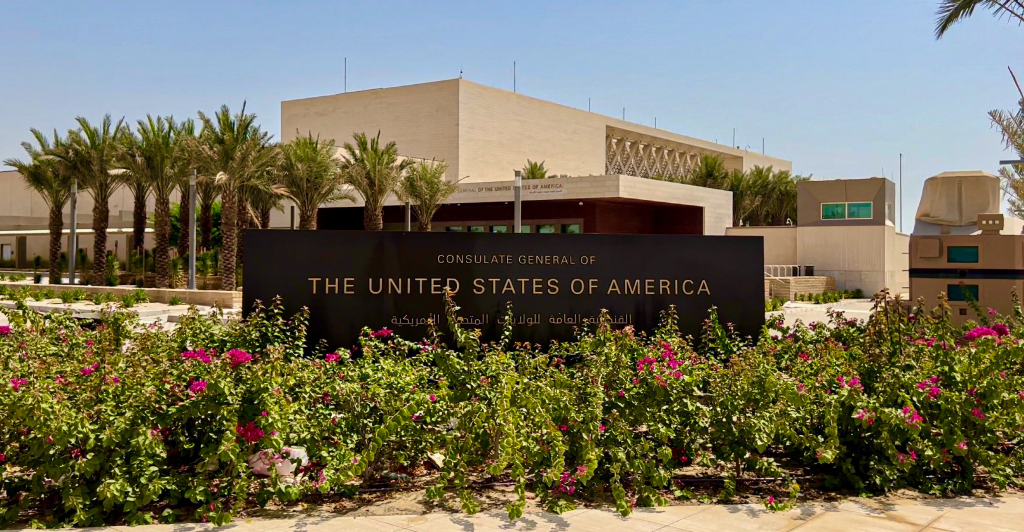
Navigating the diplomatic landscape requires knowing exactly where to go based on your current province. The embassy in Riyadh handles the central region while the consulates in Jeddah and Dhahran cover the west and east. These offices provide emergency passports and can assist with repatriation documentation if your original papers are lost. Most of these locations operate under heightened security protocols so always call ahead before visiting. They can also offer guidance on local legal matters that might arise during a sudden departure. American citizens should also be aware of the “No-Fly” zones that may be implemented during periods of high regional tension.
Logistics of Returning to the USA in 2026
If the situation necessitates a return to the United States, several commercial and government-assisted routes remain available. Most travelers prefer direct flights to major US hubs like New York, Washington, or Dallas to minimize transit time. Saudi Arabian Airlines and various international carriers continue to serve these routes from Riyadh’s King Khalid International Airport. In the event of commercial disruptions, the US government may organize evacuation flights for citizens and their immediate family members. Always ensure that your exit visa is processed or that your employer has cleared your departure to avoid immigration delays.
- Monitor flight availability through major hubs like London, Frankfurt, or Istanbul.
- Ensure all financial obligations and local utility bills are settled to prevent exit blocks.
- Keep a digital backup of all medical records and vaccinations on a secure cloud drive.
- Confirm that your US-based bank accounts and credit cards are active for international use.
- Prepare for potential screenings or delays at the airport due to increased security measures.
The logistics of a sudden move can be overwhelming but breaking it down into smaller tasks helps. Focus on securing your flight first and then handle the shipment of personal belongings through international movers. Many expats choose to leave heavy items behind or sell them quickly via local online marketplaces. The speed of your departure should be dictated by official travel advisories rather than social media rumors. If you have pets, start their export paperwork early as the biological requirements are often time-consuming. Most importantly, keep your mobile phone charged and carry a portable power bank at all times.
Local Perspective and Expert Advice
Many long-term residents suggest that having a local “fixer” or a trusted Saudi friend can be invaluable. They can provide nuances on local news that might not be immediately available in English-speaking media. Safety in the Kingdom is often a matter of staying low-profile and respecting local customs during sensitive times. Experts suggest that even if the situation seems stable, having a secondary exit plan through land borders to Jordan is a smart precaution.
“We have seen these cycles before, and the key is always to have your paperwork ready and your bags packed,” mentions Sarah Jenkins, an American teacher in Jeddah.
The Saudi government is highly invested in maintaining order and protecting all residents within its borders. Internal security forces are professional and generally helpful to foreign nationals who follow the rules. It is recommended to keep a small amount of local currency (Saudi Riyals) and US Dollars in cash for emergencies. Avoid discussing sensitive political topics in public spaces or on social media platforms to ensure personal safety. By staying alert and prepared, Americans can navigate the current climate with confidence and security.
Earlier we wrote about Where Americans in Cyprus Should Go and How to Return to the U.S. in 2026: Embassy Contacts and Travel Options