 Frank Rondel
US citizens in Qatar are currently facing a complex landscape due to the evolving diplomatic friction between major regional powers. While Doha remains a key intermediary, the recent escalation involving Iran and its neighbors has created a sense of urgency for expatriates. Security analysts suggest that maintaining high situational awareness is now more critical than ever for the thousands of Americans living in the Gulf. The State Department continues to monitor flight availability and regional maritime safety very closely. Local authorities in Qatar have increased security around key infrastructure and international compounds to ensure public safety. Families are advised to review their personal emergency plans and keep travel documents readily accessible at all times. Staying informed through official government channels is the most reliable way to navigate these changing circumstances effectively, as noted by the customreceipt.com.
Immediate Steps for Safety and Communication
Current geopolitical shifts require a proactive approach to personal security and communication for all Americans residing in Doha or Al Wakrah. The first priority is to ensure you are registered with the Smart Traveler Enrollment Program (STEP) to receive real-time alerts. This system allows the US Embassy to contact you in case of a sudden change in the local security posture. You should also maintain a “go-bag” containing essential medications, hard copies of passports, and sufficient local currency.
Check the validity of your passport and ensure it has at least six months of remaining validity.
Many expatriates are opting to coordinate with their employers regarding remote work options or temporary relocation strategies if regional transit becomes restricted. It is essential to have a secondary communication method, such as a satellite messenger or a regional SIM card from a different provider.
“The situation is fluid, and while Qatar is a safe haven, the regional ripples require every American to have a clear exit strategy,” says Marcus Thorne, a Dubai-based security consultant.
Essential Contact Information for Emergency Assistance
The US Embassy in Doha remains the primary point of contact for any citizen requiring administrative or emergency support. They provide services ranging from passport replacement to emergency financial assistance if banking networks experience disruptions. It is vital to have these numbers saved in multiple locations, both digitally and physically. Below is a list of the most critical contacts you may need during this period of heightened regional tension.
U.S. Embassy in Doha — American Citizen Services:
- Phone (general & emergency, including after hours): +974‑4496‑6000
- Email for ACS inquiries: ACSDoha@state.gov or ConsularDoha@state.gov
- Website for alerts and services: qa.usembassy.gov
These contacts should be saved in your phone and accessible offline if needed.
U.S. Department of State Emergency Numbers:
- From U.S. or Canada: 1‑888‑407‑4747 (toll‑free)
- Worldwide direct: +1‑202‑501‑4444
Use these lines if embassy contact fails or you are in another country after travel.
Local emergency numbers in Qatar for immediate assistance:
- Police/Medical/Fire: 999
These organizations are working around the clock to provide updates on flight schedules and border statuses. If you find yourself in a situation where local infrastructure is failing, the embassy serves as a designated rally point. Always follow the instructions of local law enforcement and military personnel who are tasked with maintaining order. Do not wait for a crisis to reach its peak before reaching out to consular officers for guidance on your specific situation.

Transportation Options and Transit Hubs
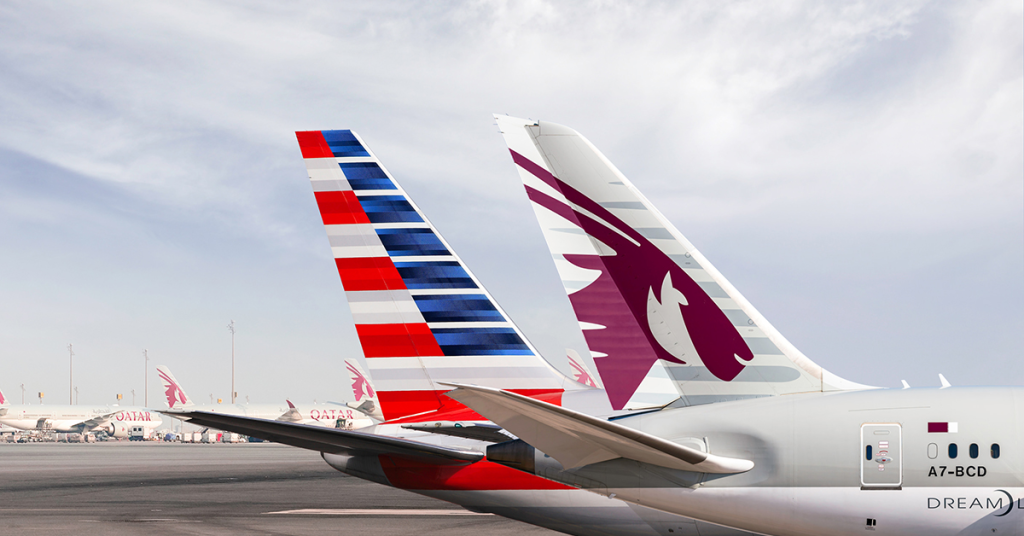
Despite the regional friction, Hamad International Airport continues to function as a vital link for those looking to return to North America. Several commercial carriers are still operating daily flights to major US hubs like New York, Washington, and Chicago. However, ticket prices can fluctuate rapidly based on demand and regional airspace closures. It is recommended to book through major international airlines that have robust contingency plans for rerouting.
| Service Provider | Typical Route | Current Status |
| Qatar Airways | Doha to JFK/IAD/ORD | Operational with Rerouting |
| American Airlines | Code-share via London | Operational |
| Turkish Airlines | Doha via Istanbul to USA | High Availability |
| United Airlines | Doha via Frankfurt to USA | Limited Seating |
Travelers should be prepared for longer flight times as pilots avoid certain areas of regional airspace for safety reasons. Ground transportation to the airport remains stable, but travelers should allow extra time for increased security checkpoints. If commercial flights become unavailable, the US government may coordinate chartered flights, though these are typically a last resort. Keep in touch with travel agents who specialize in “distressed travel” to find seats that may not appear on standard booking sites.
Planning Your Return to the United States
Returning to the US in 2026 involves more than just a plane ticket; it requires careful documentation and health compliance. Ensure that all your local residency permits are in order to avoid delays at the Qatari exit immigration. If you have pets, start the vaccination and export paperwork immediately, as these processes can take weeks. Financial preparations are equally important, as international wire transfers might face additional scrutiny during periods of regional instability.
Keep a digital backup of all your important files on a secure cloud server or encrypted USB drive.
Expert travelers suggest maintaining a small reserve of US dollars, as local exchange rates can become volatile during political shifts. If you are traveling with children, ensure their US birth certificates or Consular Reports of Birth Abroad are easily accessible. Most returning citizens find that arriving in the US is smoother when they have pre-registered with Customs and Border Protection apps.
“I decided to head back to Houston early just to be safe, and the embassy was incredibly helpful with the paperwork,” shares Sarah Miller, a former teacher in Doha.
Managing Legal and Financial Obligations
Before departing Qatar, it is imperative to settle any outstanding debts, including car loans, credit cards, and rent. Qatar has strict laws regarding unpaid debt, which can lead to travel bans if not addressed prior to your departure. Contact your local bank to discuss “grace periods” or to close your accounts properly to ensure a clean exit. If you are breaking a lease early, review the force majeure clauses in your contract which might apply given the regional circumstances.
Consult with a legal professional if you have complex business interests or property holdings in the Gulf.
You should also notify the US Internal Revenue Service (IRS) of your change in residency to avoid tax complications later. Many Americans forget to cancel their local utility services, which can lead to unexpected bills and legal hurdles in the future. Once these logistics are handled, you can focus on the safe relocation of your household goods through reputable international movers. Taking these steps early ensures that your transition back to the United States is as stress-free as possible.
Earlier we wrote about Where Americans in Cyprus Should Go and How to Return to the U.S. in 2026: Embassy Contacts and Travel Options