 Frank Rondel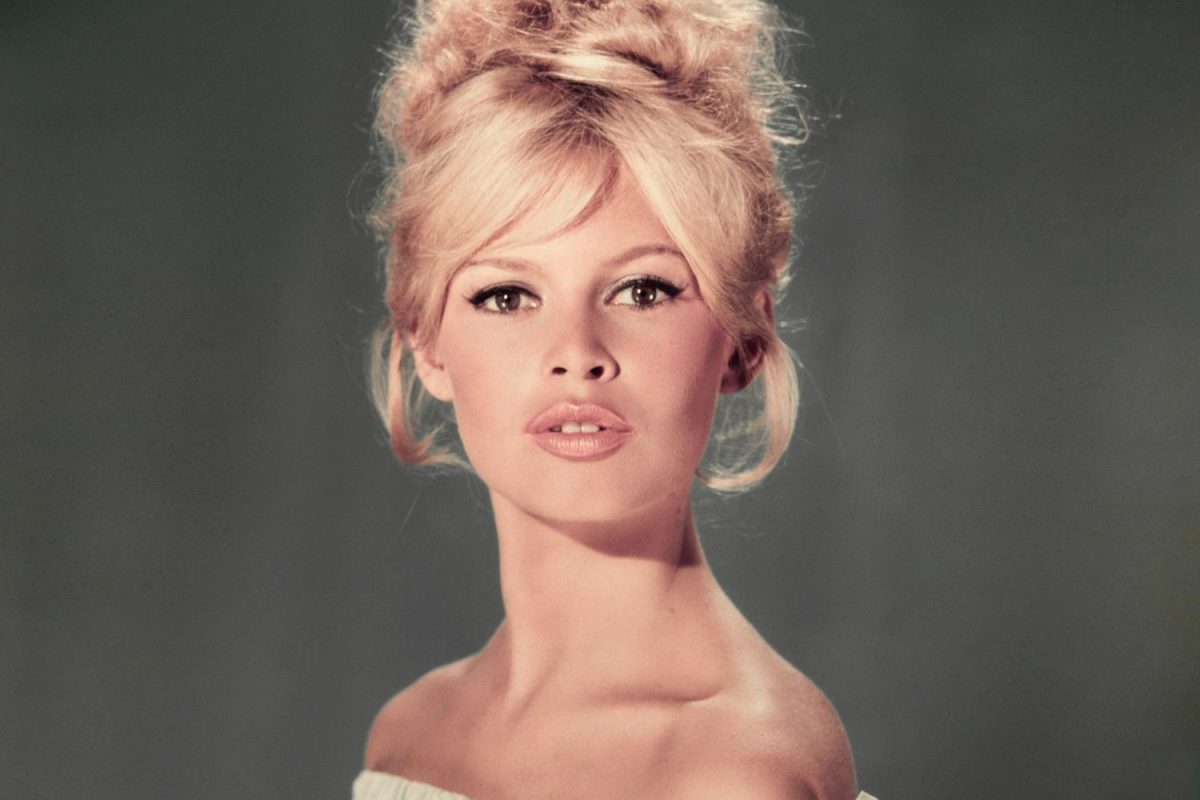
Brigitte Bardot, the iconic French actress of the 1960s who became one of the most celebrated screen sirens of the 20th century and later a prominent animal rights activist and far-right supporter, has passed away at the age of 91, reports customreceipt.com. Bardot died on Sunday at her home in southern France, according to Bruno Jacquelin of the Brigitte Bardot Foundation for the Protection of Animals. He did not specify the cause of death, and funeral or memorial arrangements have not yet been made. She had recently been hospitalized.
Bardot first rose to international fame as a teen bride in the 1956 film And God Created Woman, directed by her then-husband Roger Vadim. The film, controversial for its provocative scenes featuring Bardot dancing nude on tables, established her as a symbol of sensuality and rebellion. Over her film career, spanning 28 movies and three marriages, she came to embody a France breaking free from bourgeois conventions. Her tousled blonde hair, curvaceous figure, and rebellious charm made her one of the most recognizable faces in French cinema.
Her popularity was such that in 1969, Bardot’s features were chosen to represent Marianne, the national emblem of France, appearing on statues, postage stamps, and coins. French President Emmanuel Macron paid tribute to Bardot on social media, calling her a legend.
Following her retirement from cinema at the age of 39 in 1973, Bardot dedicated herself to animal rights advocacy. She campaigned against the slaughter of baby seals in the Arctic, opposed the use of animals in laboratory experiments, and criticized ritual slaughter practices. Bardot emphasized the vulnerability of animals, stating in 2007 that past fame meant nothing compared to the suffering of creatures with no voice to defend themselves. Her activism earned her recognition, including the Legion of Honor in 1985, France’s highest award.
Later in life, Bardot courted controversy for her outspoken views on immigration, particularly Muslim communities in France. She was convicted and fined multiple times for inciting racial hatred, often linked to her opposition to ritual slaughter practices. Her marriage in 1992 to Bernard d’Ormale, former adviser to far-right politician Jean-Marie Le Pen, coincided with her political alignment toward nationalist causes. She supported Marine Le Pen’s presidential campaign in 2012.
Bardot’s personal life was equally tumultuous. Born Brigitte Anne-Marie Bardot on September 28, 1934, to a wealthy industrialist, she had a strict upbringing and trained in classical ballet. Discovered at age 14 by a family friend, she appeared on the cover of Elle magazine, beginning her journey to stardom. Her marriages, including those to Roger Vadim, Jacques Charrier, and Gunther Sachs, as well as her high-profile relationships, made her a constant subject of media attention. Bardot faced depression and challenges as a mother, giving up her only son Nicolas to his father.
Her filmography includes A Parisian (1957), The Truth (1960), Private Life (1962), Shalako (1968), Women (1969), The Bear and the Doll (1970), and Don Juan (1973). Although some films were critically acclaimed, many were designed to showcase her physical allure rather than her acting range.
After leaving the film industry, Bardot’s life centered on animal protection. She campaigned globally, advocating bans on dog meat in South Korea, challenging traditional sporting events, and petitioning world leaders to safeguard wildlife. She acknowledged that her advocacy sometimes generated controversy but maintained that the suffering of animals drove her work. Bardot often compared her own treatment by the press to the vulnerability of animals, stating that her experiences made her empathetic to the creatures she fought to protect.
Earlier we wrote that thousands of US flights cancelled or delayed as major winter storm threatens northeast.