 Frank Rondel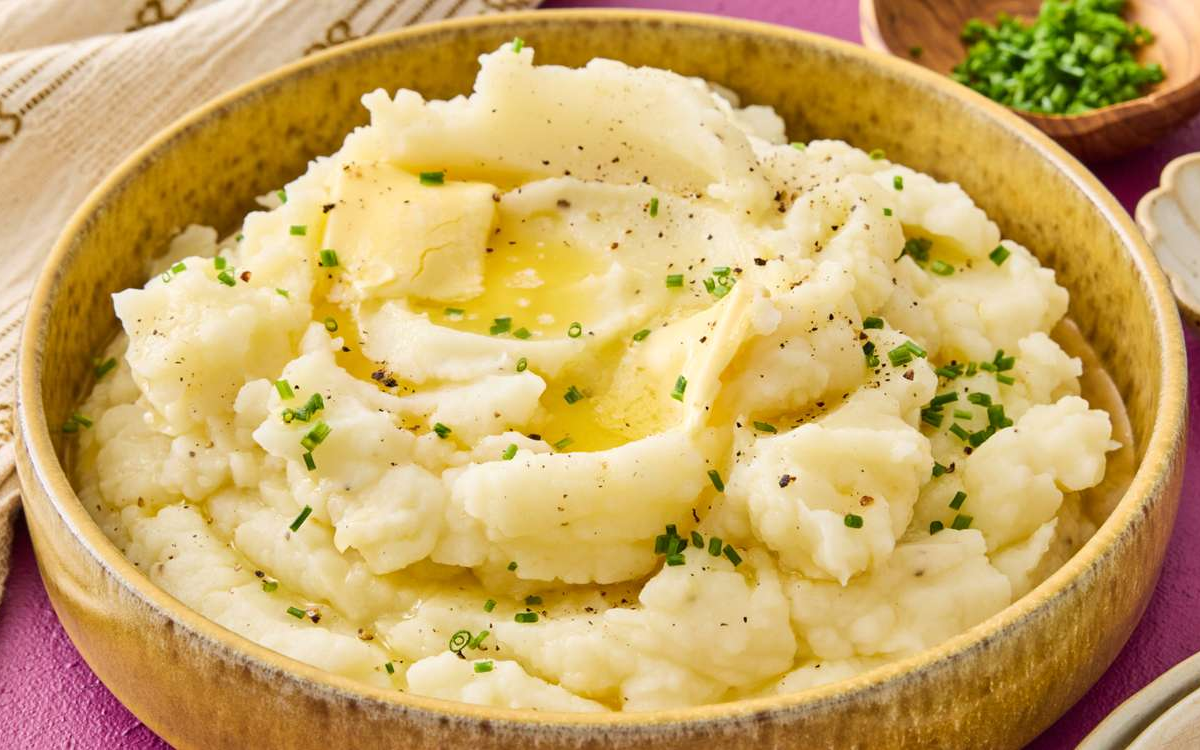
How to make mashed potatoes is an art form that transforms the humble tuber into a cloud-like masterpiece of culinary comfort. Whether it is a quiet Tuesday night or a festive holiday feast, the presence of a steaming bowl of potatoes can anchor an entire meal. Achieving that perfect balance of silkiness and structural integrity requires more than just boiling water; it demands an understanding of starch and temperature. Many home cooks struggle with textures that turn out either too lumpy or tragically gluey, yet the solution lies in a few professional pivots.
According to the editors at customreceipt.com, mastering the basics of heat and fat is the primary key to kitchen success.
Choosing the Foundation: Best Potatoes for Mashing
Not all potatoes are created equal when they encounter a masher.
The chemical composition of the vegetable determines whether your side dish will be a light delight or a heavy paste. High-starch varieties like Russets are the gold standard for those who crave a classic, airy feel. Meanwhile, waxy varieties hold their shape too well, which can be a disadvantage when you are looking for total smoothness.
| Potato Variety | Starch Content | Resulting Texture | Primary Kitchen Use |
| Russet | High | Light and Fluffy | Traditional mash and baking |
| Yukon Gold | Medium | Naturally Creamy | Butter-heavy gourmet mash |
| Red Bliss | Low | Firm and Chunky | Smashed skins-on style |
Understanding the specific gravity of your ingredients allows you to predict the final outcome before the stove is even lit. Russets have dry, mealy interiors that drink up butter like a sponge, while Yukon Golds offer a built-in buttery flavor that feels luxurious. If you mix the two, you often get the best of both worlds: structure and richness. Selecting the right base is the first step toward the best mashed potatoes you have ever served.
Always look for potatoes that feel heavy for their size and lack any green tint on the skin.
Essential Ingredients for a Rich Profile
The ingredient list for a mashed potatoes recipe is deceptively short, making the quality of each component vital.
You will need three pounds of potatoes, a full cup of whole milk or heavy cream, and half a cup of high-quality unsalted butter. Seasoning should never be an afterthought, so keep fine sea salt and ground white pepper close at hand.
“The secret to velvet-like potatoes is never letting a cold liquid touch a hot starch molecule.”
Using cold milk is a common mistake that shocks the potato starch, resulting in a grainy texture. By warming your cream and melting the butter, you ensure the emulsion stays stable and the potatoes remain hot.
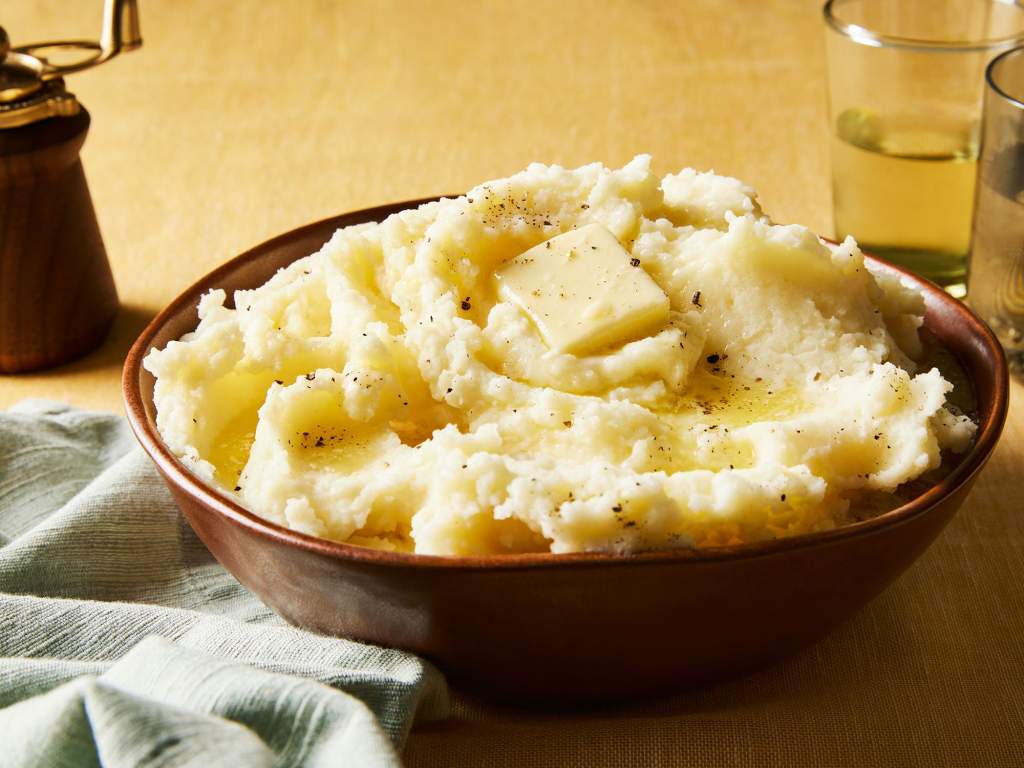
Butter should always be folded in before the milk; the fat coats the starch molecules, preventing them from becoming gummy when the liquid is added. This sequence is a non-negotiable rule in professional kitchens. Quality fats and precise temperatures are what separate the amateurs from the masters in the realm of comfort food preparation.
Mastering the Method: Step-by-Step Instructions
- Begin by peeling your potatoes and cutting them into uniform two-inch chunks to ensure even cooking.
- Place them in a large pot and cover with cold salted water, which allows the center and outside to cook at the same rate.
- Bring to a boil then reduce to a simmer until the chunks are fork-tender, usually about fifteen to twenty minutes.
- Drain the water thoroughly and return the potatoes to the hot pot for one minute to steam off any remaining moisture.
- Mash the dry potatoes with butter first, then gradually incorporate the warm milk until you reach your desired consistency.
Patience during the draining phase is often overlooked by rushed cooks.
If excess water remains in the pot, your final dish will taste diluted and thin rather than rich. Many chefs suggest a quick “flash dry” over low heat to ensure the tubers are bone dry. This preparation sets the stage for creamy mashed potatoes that hold their peaks on the plate.
Evaluating the Tools of the Trade
The tool you choose dictates the final “crumb” of your mash.
| Tool Type | Finished Texture | Physical Effort |
| Potato Ricer | Perfectly Smooth | Moderate |
| Food Mill | Silky and Consistent | High |
| Hand Masher | Textured / Chunky | Low |
| Electric Mixer | Fluffy (if careful) | Minimal |
| Food Processor | Elastic / Gluey | Minimal |
A simple wire masher is excellent for a rustic, home-style feel where a few lumps provide character. However, if you are aiming for a five-star restaurant finish, a ricer is your best friend.
Avoid the food processor at all costs, as the high-speed blades shear the starch cells and turn the potatoes into an inedible paste. A ricer works by pushing the potato through tiny holes, creating small grains that incorporate air and fat effortlessly. This tool is the secret weapon for achieving fluffy mashed potatoes without overworking the dough. Once the starch is overworked, there is no way to reverse the gummy texture. It is a one-way trip to a culinary disaster.
Eight Professional Tips for Perfection
- Always salt the boiling water heavily; the potatoes need to be seasoned from the inside out.
- Cut all potato pieces to the same size to avoid a mix of mushy and hard bits.
- Never use a blender, as the mechanical shear is too aggressive for potato starch.
- If you want an extra-silky finish, pass the mashed mixture through a fine-mesh sieve.
- Keep the skin on if you are using thin-skinned red potatoes for a rustic look.
- Add a tablespoon of sour cream or Greek yogurt for a subtle, tangy brightness.
- Let the butter sit at room temperature before adding it to the warm pot.
- Prepare the dish as close to serving time as possible to maintain the best aeration.
These small adjustments can elevate a standard side dish into a memorable part of the meal.
Most people underestimate the importance of the drying step after boiling. By removing that last bit of steam, you make room for more butter and cream to be absorbed. This is how you create homemade mashed potatoes that rival any high-end steakhouse.
Creative Flavor Variations
While the classic butter and milk combination is iconic, the potato is a neutral canvas for bold flavors.
Infusing your milk with smashed garlic cloves while it warms adds a deep, aromatic undertone without the bite of raw garlic. For a “loaded” version, stir in crispy bacon bits, sharp cheddar cheese, and freshly chopped chives just before serving. Truffle butter or a drizzle of truffle oil can provide an earthy, luxurious scent for special occasions.
You might also consider folded-in roasted garlic bulbs, which offer a sweet and mellow profile compared to boiled garlic.
Herb-infused butters featuring rosemary or thyme can also bring a garden-fresh element to the table. These variations allow you to tailor the dish to the specific protein you are serving. Experimenting with acids like a splash of vinegar can also brighten the overall profile of the dish.
Frequently Asked Questions
Can I make these in advance?
Yes, but they are best kept warm in a slow cooker on the lowest setting with a splash of extra milk.
Why did my potatoes turn out gluey?
This usually happens from over-mashing or using a high-speed appliance like a blender.
Should I peel them before or after boiling?
Peeling before is easier for mashing, but boiling in the skin can preserve more potato flavor.
What is the best way to reheat leftovers?
Add a little milk and heat them slowly on the stove or in the oven, avoiding the microwave if possible.
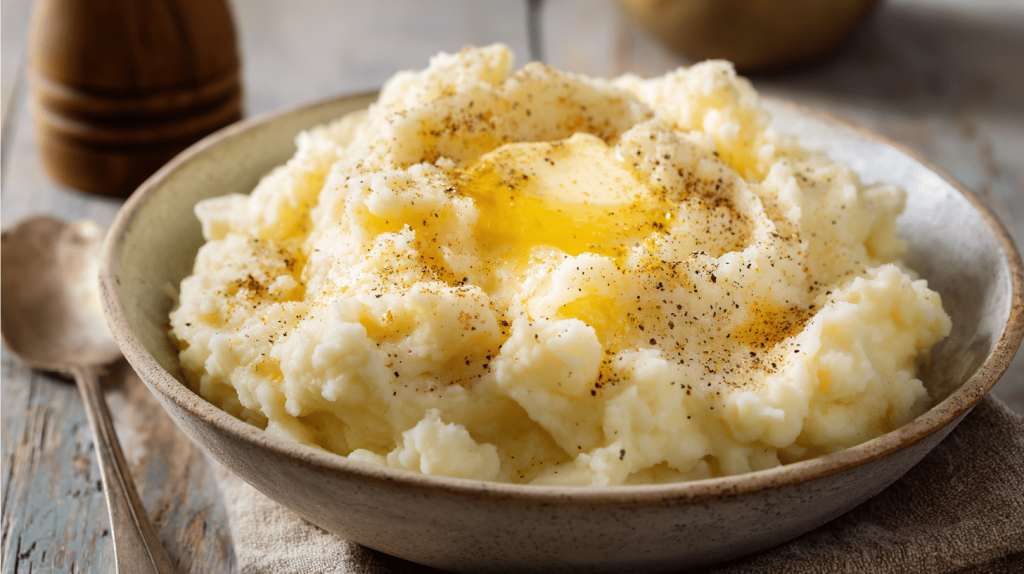
Knowing how to make mashed potatoes properly means you never have to settle for an uninspired side dish again. It is a fundamental skill that relies on technique rather than expensive equipment.
By treating the starch with respect and using quality fats, you ensure a crowd-pleasing result every single time. This guide provides the roadmap to a dish that is both simple and sophisticated. As long as you keep your liquids warm and your mashing gentle, the results will be spectacular. Enjoy the process of creating the ultimate comfort food.
Earlier we wrote about How to Make Banana Bread: Moist and Easy Recipe