 Frank Rondel
How to remove stains from clothes is a skill that combines chemistry with a race against the clock. The golden rule of laundry is simple: act immediately. Once a spill happens, the liquid begins to bond with the fibers, and heat from a dryer can make that bond permanent. Most common household spills like coffee or wine are water-soluble if caught early, but they become nightmares once they dry. Professional cleaners often suggest that the success of your efforts depends entirely on the first sixty seconds of treatment.
As noted by the customreceipt.com, proper preparation and patience are the only ways to save your favorite wardrobe pieces from the trash bin.
General Stain Removal Rules
You should never rub a fresh spill because friction pushes the pigment deeper into the fabric weave. Instead, use a clean white cloth or a paper towel to blot the area gently.
Working from the outside of the spot toward the center prevents the mess from spreading further across the garment.
Temperature matters more than most people realize when trying to get stains out of clothes effectively. Protein-based marks like blood or sweat require cold water to prevent the proteins from “cooking” into the fibers. Conversely, greasy residue usually needs heat to break down the oil molecules and lift them away.
“A stain is not a death sentence for your clothing, but an invitation to apply the right science at the right time.”
Before applying any chemical or homemade solution, always perform a spot test on a hidden seam. This ensures that the treatment won’t bleach the color or degrade the integrity of the material. Keep a small kit of essentials ready so you don’t waste time searching for supplies while a spill sets.
Stain-by-Stain Removal Guide
Different substances require specific chemical reactions to disappear. Whether it is an organic pigment or a synthetic ink, the approach must be tailored to the molecular structure of the mess. Following a specific stain removal guide ensures you don’t accidentally make the situation worse by using the wrong solvent.
| Stain Type | Treatment | Primary Steps | Special Notes |
| Coffee & Tea | Vinegar & Dish Soap | Soak in cold water, apply soap/vinegar mix | Best for fresh spills |
| Red Wine | Salt & Peroxide | Cover with salt, rinse, apply peroxide | Avoid heat until gone |
| Grease & Oil | Dish Soap & Baking Soda | Apply soap, scrub with soda, wash hot | Works on old stains too |
| Blood | Cold Water & Peroxide | Flush with cold water, dab with peroxide | Never use warm water |
| Ink | Rubbing Alcohol | Dab with cotton ball soaked in alcohol | Place towel underneath |
| Grass | Vinegar & Soda Paste | Apply paste, let sit for 30 mins | Good for kids’ jeans |
| Tomato Sauce | Cold Water & Vinegar | Flush from back, soak in vinegar | Sunlight helps bleach residue |
| Chocolate | Enzyme Detergent | Freeze to scrape off, then soak | Enzymes break down fats |
| Sweat | Peroxide & Soda | Make a thick paste, let sit 1 hour | Great for white shirts |
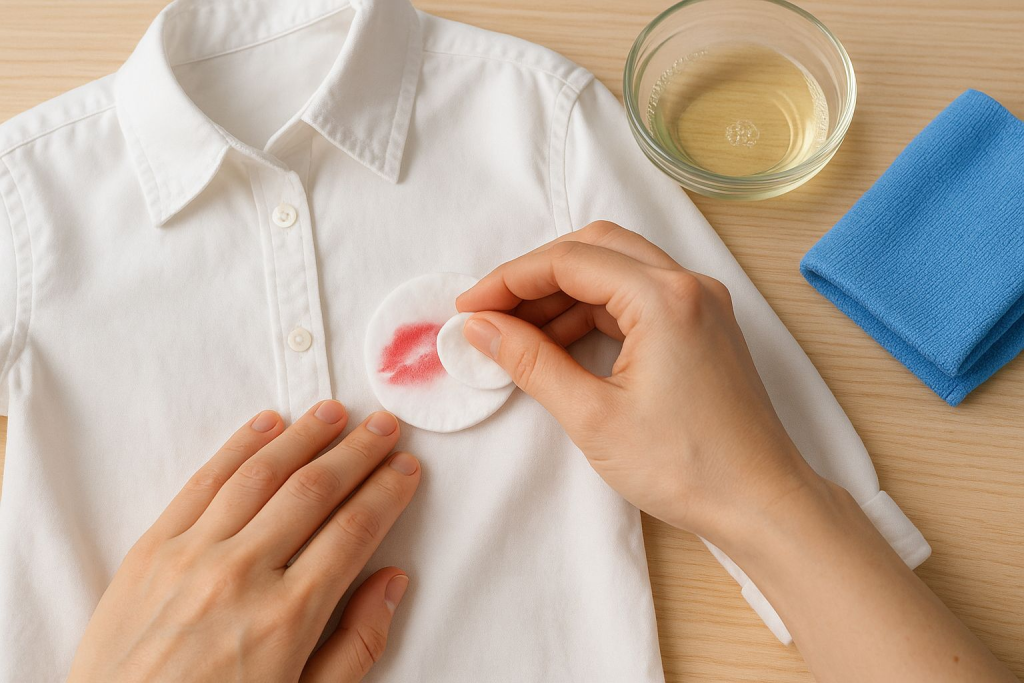
| Makeup | Micellar Water | Blot with cotton pad | Don’t use oily removers |
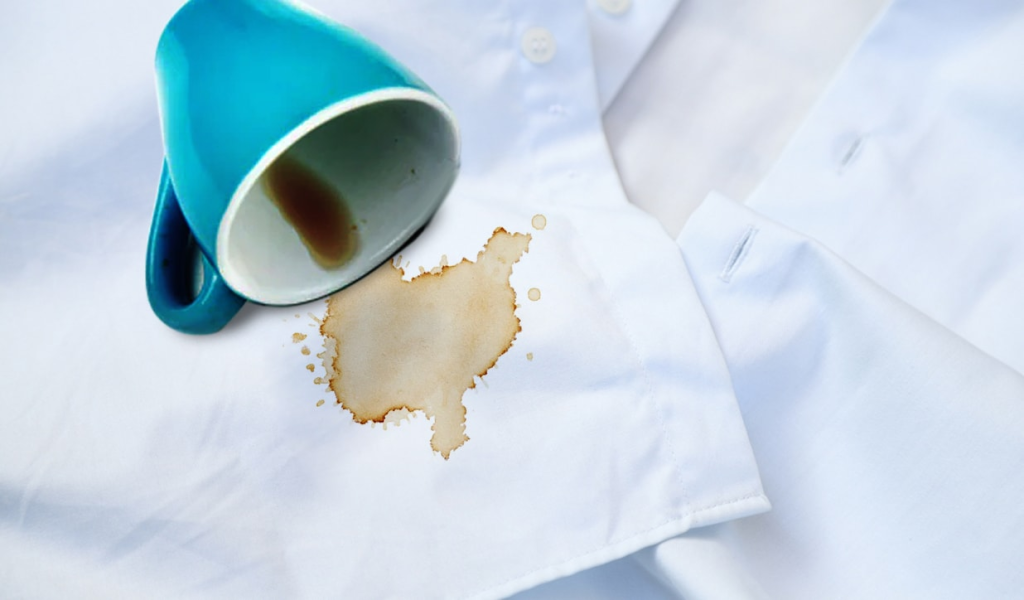
The process for treating coffee involves flushing the back of the fabric with cold running water. Mix one teaspoon of white vinegar with a bit of dish soap and apply it directly to the remaining discoloration. Let it sit for fifteen minutes before rinsing. This combination breaks down the tannins found in dark beverages. For red wine, the salt acts as a desiccant, pulling the liquid out before it sets. If a shadow remains, hydrogen peroxide mixed with a drop of soap can bleach the organic pigments safely. Be careful with dark colors, as peroxide can sometimes lift the original dye of the shirt.
Oil-based marks are stubborn because they repel water.
Applying concentrated dish soap directly to the dry fabric helps emulsify the grease. Adding baking soda provides a mild abrasive action that lifts the oil out of the tiny gaps in the thread. Always wash these items at the highest temperature the fabric label allows.
Essential Stain Removal Products
Having a well-stocked laundry room is the best defense against permanent damage. Most people already have the most effective tools in their kitchen or medicine cabinet.
- White vinegar: A mild acid that cuts through alkaline spills and softens water.
- Baking soda: Provides grit and absorbs oils effectively.
- Hydrogen peroxide: A mild oxygen bleach safe for most whites and light colors.
- Dish soap: Specifically designed to break down fats and oils.
- Rubbing alcohol: The ultimate solvent for permanent markers and ink.
White vinegar and baking soda are the “power couple” of natural cleaning, capable of neutralizing odors and lifting particles.
Enzyme-based detergents are crucial for organic messes like grass, blood, or food. These products contain biological catalysts that literally “eat” the proteins and fats. If you are dealing with a mystery mark, an enzyme soak is often the safest and most effective first step.
Fabric-Specific Tips
Not all textiles are created equal, and what works on denim might ruin a silk blouse. Understanding the limitations of your garments prevents accidental shrinking or melting. Delicate fibers like wool or silk are particularly sensitive to high pH levels and excessive heat.
| Fabric | Recommended Care | What to Avoid |
| Cotton | Most detergents and heat | Excessive bleach |
| Silk | Cool water, mild soap | Rubbing and wringing |
| Wool | Cool water, specialized soap | High heat and agitation |
| Polyester | Warm water, dish soap | Very high iron heat |
| Denim | Heavy scrubbing, soda | Frequent hot washing |
Cotton is incredibly resilient and can handle most heavy-duty treatments.
You can use laundry stain removal techniques involving boiling water or oxygen bleaches without much fear of damage. However, always check the garment’s dye stability before using harsh chemicals.
For silk and wool, avoid any products containing enzymes, as these can actually digest the natural fibers. Use only lukewarm or cool water and a gentle, pH-neutral detergent. If a stain on a “Dry Clean Only” item is severe, it is best to take it to a professional and identify the source of the spill. Synthetic fibers like polyester are prone to holding onto oil. While they are durable, they can easily develop “permanent” grease spots if not pre-treated before the first wash. Use a targeted degreaser for the best results on gym wear and modern blends.
Tips to Prevent Stains
Prevention is often just a matter of changing a few simple habits. Using a laundry pre-treat spray as a standard part of your routine can catch small marks you didn’t even notice. It is also wise to separate heavily soiled clothes from lightly worn ones to prevent “redeposition” of dirt during the cycle.
- Carry a portable stain remover pen in your bag for emergencies.
- Apply hairspray or perfume before getting dressed to avoid alcohol marks.
- Wash new dark denim separately to prevent dye transfer to lighter items.
- Clear the table carefully to avoid “drip” marks from sauces.
- Check every garment for spots before putting it in the dryer.
- Use an apron when cooking with oils or vibrant spices like turmeric.
Checking clothes before they hit the dryer is the most important step.
The high heat of the drying cycle acts like a kiln, baking the residue into the fabric. If a mark is still visible after the wash, treat it again and wash it a second time while it is still wet.
FAQ
How do I remove coffee stain marks that have already dried?
You should soak the garment in a solution of warm water, dish soap, and white vinegar for at least thirty minutes. For stubborn shadows, apply a paste of baking soda and water, let it dry, then brush it away and re-wash.
Can I use hairspray to remove ink?
In the past, hairspray contained high levels of alcohol, which made it great for ink. Modern formulas often contain oils and conditioners that can leave their own marks. It is better to use pure rubbing alcohol for a cleaner result.
What is the best way to remove grease stain residue from delicate items?
Use a small amount of clear dish soap and a soft toothbrush to gently work the soap into the fibers. Rinse with cool water and repeat until the water no longer beads on the surface of the spot.
Is it safe to use bleach on all whites?
No, some white fabrics are treated with optical brighteners that can turn yellow when exposed to chlorine bleach. Oxygen-based bleaches are generally a safer alternative for keeping whites crisp.
Why did my blood stain turn brown?
This usually happens because the stain was exposed to heat. The iron in the blood “rusts” and binds to the fabric. You can try treating it with an enzyme cleaner or a specialized rust remover if it has turned brown.
Mastering the art of how to remove coffee stain or oil spills saves money and extends the life of your wardrobe. It requires a bit of chemistry and a lot of speed. By keeping a few basic household items like vinegar and dish soap on hand, you are prepared for almost any laundry disaster. Remember that persistence is key; some marks require multiple treatments before they finally vanish. Take your time, treat your fabrics with respect, and you will find that almost any mess is reversible.
Earlier we wrote about How to Get Rid of Hiccups: Quick Remedies That Work