 Frank Rondel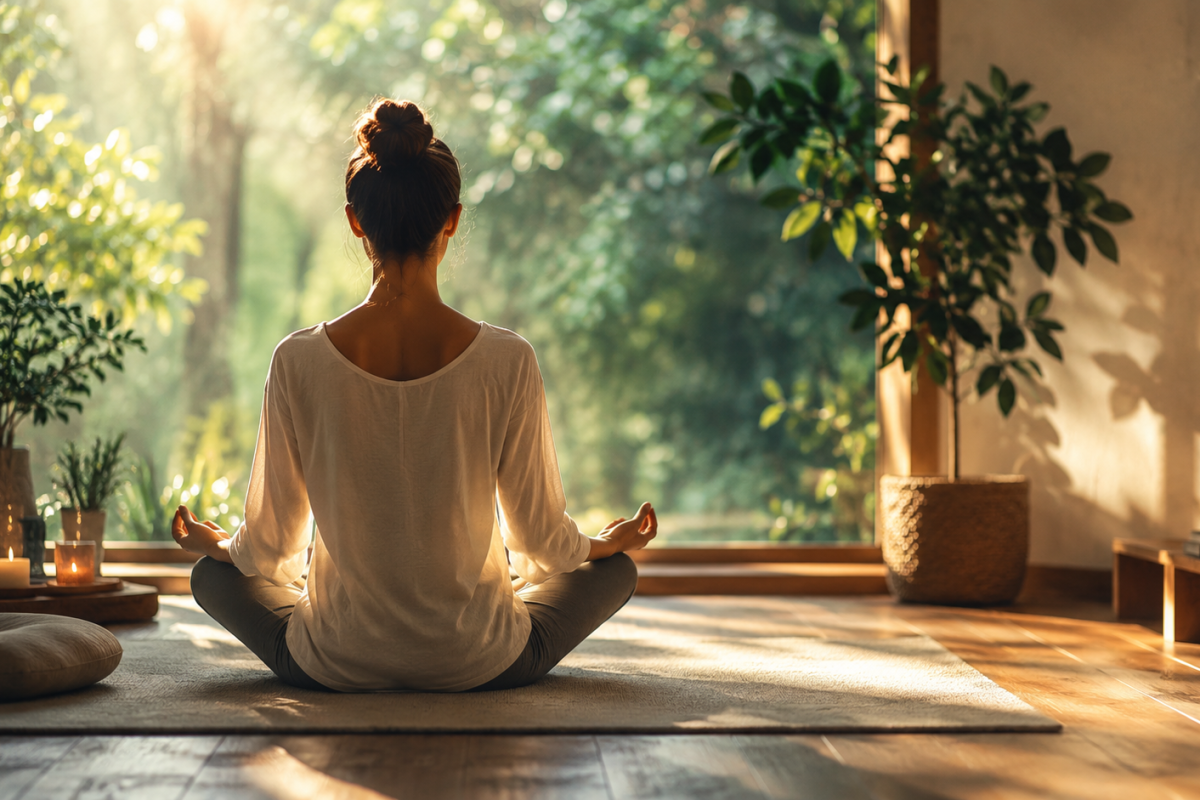
Meditation became mainstream because modern attention is overloaded almost constantly. Notifications interrupt work, social feeds compete for focus, and stress follows people from morning until late at night. Meditation offers a simple way to slow mental noise without needing expensive tools or dramatic lifestyle changes, as reported by the customreceipt.com.
Millions of people now use meditation to improve sleep, lower anxiety, sharpen concentration, and reduce emotional exhaustion. Professional athletes use it before competitions. Therapists recommend it alongside stress-management techniques. Companies include meditation inside wellness programs because mental fatigue directly affects productivity and decision-making. Learning how to start meditating is usually much easier than beginners expect. Most people imagine meditation as sitting silently for an hour while trying not to think. Real meditation is far less intimidating. A beginner can start with five quiet minutes, natural breathing, and a basic understanding of attention.
Meditation is not about becoming thoughtless. It is about becoming aware of thoughts without getting trapped inside them.
Small routines repeated consistently tend to work better than ambitious routines abandoned after a few days. The same principle appears in many long-term habits, including better sleep routines and sustainable daily organization systems.
Benefits of Daily Meditation
Stress reduction is the reason most beginners search for how to start meditating. Meditation slows breathing, reduces physical tension, and interrupts the constant cycle of overstimulation that many people carry throughout the day.
Mental clarity often improves surprisingly fast.
A person who meditates regularly usually becomes more aware of distraction itself. Instead of automatically reacting to every thought, message, or emotional impulse, the brain gradually learns to pause before responding.
That pause matters during arguments, stressful meetings, financial pressure, or emotionally difficult situations.
Meditation may also improve:
- Focus and concentration
- Sleep quality
- Emotional regulation
- Patience
- Self-awareness
- Anxiety management
- Blood pressure
- Stress recovery
Many forms of mindfulness meditation teach observation without immediate judgment. Thoughts still appear. Emotions still appear. Meditation changes the relationship to those experiences. Research often links meditation with improved emotional resilience because the practice repeatedly trains attention to return to the present moment instead of spiraling into worry or overstimulation.
Sleep benefits are especially common among beginners.
People frequently discover that meditation helps reduce racing thoughts before bed. Instead of replaying conversations or planning tomorrow’s tasks repeatedly, attention moves toward breathing and physical sensations. Some people combine evening meditation with calming environmental changes, including reducing snoring triggers or limiting screen exposure before sleep.
Consistency matters more than session length during the first month of meditation.
The most effective meditation for beginners usually stays simple. Five minutes practiced daily often produces better long-term results than occasional 40-minute sessions.
Common Meditation Myths
Many people avoid meditation because they misunderstand what the practice actually involves.
“I Need to Clear My Mind”
This is the most common myth.
Meditation does not require eliminating thoughts. The brain continues producing memories, plans, worries, random ideas, and emotional reactions automatically. Meditation trains awareness of those thoughts. A distracted meditation session is still meditation.
The real practice is noticing when attention drifts and gently returning focus to breathing, movement, or body sensations.
“I Don’t Have Time”
Beginners often assume meditation requires long sessions.
It does not.
Three to five minutes can be enough to begin building a habit. Short sessions are easier to maintain consistently, especially during busy schedules.
Most people spend more time scrolling social media than a beginner meditation routine requires.
“I’m Doing It Wrong”
There is no perfect meditation session.
Some days feel calm. Other days feel restless, irritating, or mentally chaotic. Both experiences are normal. Judging every session too aggressively is one of the main reasons beginners quit early.
A practical beginner meditation guide focuses on repetition rather than perfection.
“Meditation Is Religious”
Modern meditation exists in both secular and spiritual forms. Many therapists, coaches, schools, and wellness programs teach meditation with no religious framework at all.
For many people, meditation functions simply as attention training.

4 Simple Meditation Techniques for Beginners
Beginners usually learn faster when meditation feels structured instead of abstract. Clear instructions reduce uncertainty and make repetition easier.
Breath Focus
Breath-focused meditation is one of the simplest ways to learn how to meditate because breathing is always available as an anchor.
Follow these steps:
- Sit comfortably in a chair or on the floor.
- Keep the back upright without becoming stiff.
- Relax the jaw and shoulders.
- Breathe naturally.
- Count each breath from one to ten.
- Restart at one whenever attention drifts.
The counting process gives the brain something steady to follow.
Beginners often discover how quickly attention jumps between thoughts. That realization is useful because meditation starts with awareness, not perfect focus. Five minutes is enough for a first session.
Body Scan
Body scan meditation develops awareness of physical tension patterns.
Many people carry stress in the neck, shoulders, stomach, chest, or jaw without consciously noticing it during the day. Body scan meditation slows attention enough to observe those sensations directly.
The process is simple:
- Sit or lie down comfortably
- Take several slow breaths
- Focus on the toes first
- Move attention gradually upward
- Observe sensations without changing them
The scan usually moves through the feet, legs, hips, stomach, chest, shoulders, arms, neck, and head. This technique works especially well before sleep because it shifts focus away from mental noise and toward physical awareness.
Some beginners pair evening body scans with calming routines such as organizing living spaces efficiently because reduced environmental clutter often lowers mental overstimulation as well.
Guided Meditation
Guided meditation uses spoken instructions to lead the session.
Instead of meditating in silence, the beginner follows audio prompts step by step. The guide may direct attention toward breathing, physical sensations, visualization, or emotional awareness.
Guided meditation works well for people who:
- Overthink during silent meditation
- Feel restless sitting quietly
- Prefer structure
- Want sleep-focused sessions
- Need help maintaining attention
Most guided sessions last between five and fifteen minutes.
Apps, podcasts, YouTube recordings, and wellness platforms all provide beginner-friendly guided meditations. The goal is not to perform meditation perfectly. The goal is to return tomorrow and practice again.
Walking Meditation
Meditation does not always require stillness.
Walking meditation combines movement with focused attention, making it especially useful for restless beginners who dislike sitting quietly for long periods. Choose a quiet path indoors or outdoors. Walk slowly and naturally. Focus attention on each step, the shifting body weight, and the feeling of the feet touching the ground.
When thoughts drift, return attention to movement.
| Technique | Best For | Time | Main Focus |
|---|---|---|---|
| Breath Focus | Concentration | 5 min | Breathing |
| Body Scan | Relaxation | 5–10 min | Physical sensations |
| Guided Meditation | Structure | 10 min | Audio guidance |
| Walking Meditation | Restless beginners | 10 min | Mindful movement |
Walking meditation fits naturally into lunch breaks, evening walks, or short recovery periods between work sessions.
7-Day Beginner Meditation Plan
A gradual approach makes meditation feel manageable.
Many beginners fail because they expect immediate transformation instead of treating meditation as a skill built through repetition.
The first week should focus on consistency rather than deep concentration.
| Day | Technique | Duration | Focus |
|---|---|---|---|
| Day 1 | Breath focus | 3 min | Count breaths |
| Day 2 | Breath focus | 5 min | Return attention |
| Day 3 | Breath focus | 5 min | Slower breathing |
| Day 4 | Body scan | 5 min | Physical awareness |
| Day 5 | Guided meditation | 10 min | Follow instructions |
| Day 6 | Guided meditation | 10 min | Relaxation |
| Day 7 | Favorite technique | 10 min | Consistency |
The first few sessions may feel awkward.
That does not mean meditation is failing. It usually means attention is becoming more conscious. Beginners often notice how busy the mind actually feels only after sitting quietly for the first time. Morning sessions tend to work well because distractions are lower early in the day.
Evening sessions can help transition into sleep more calmly.
People building a daily meditation practice often succeed by attaching meditation to routines already performed consistently, similar to systems used for saving money on groceries or managing recurring habits.
Tips for Building a Meditation Habit
Motivation helps at the beginning, but structure keeps meditation consistent long-term.
These habits make meditation easier to maintain:
- Practice at the same time daily.
- Use the same location whenever possible.
- Start with short sessions.
- Set a timer before beginning.
- Expect distraction instead of fighting it.
- Avoid judging sessions.
- Connect meditation to an existing routine.
Habit stacking works especially well.
A short meditation immediately after morning coffee or before brushing teeth becomes easier to repeat because the brain links it to an existing behavior.
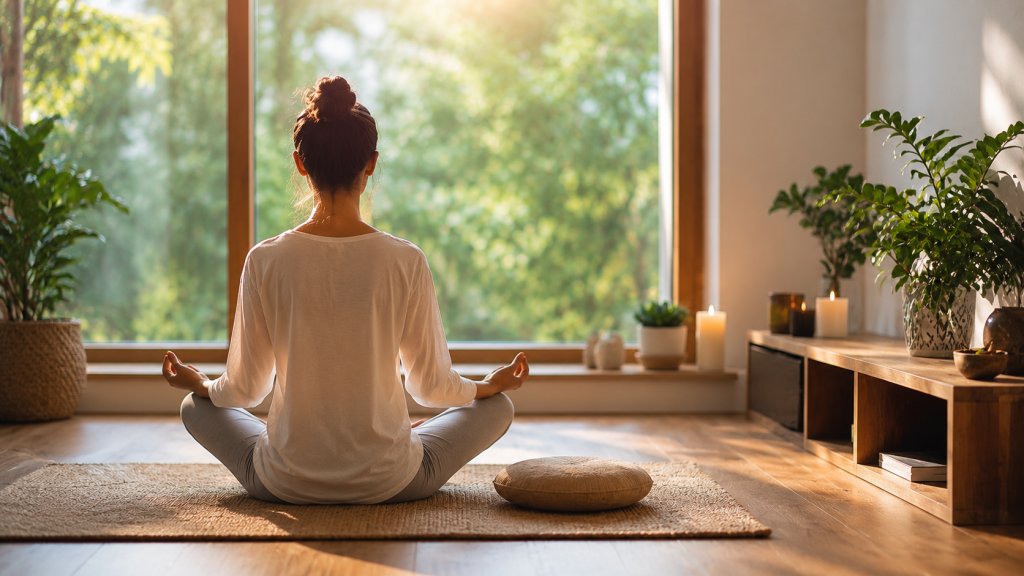
Environment also matters. A quiet corner, comfortable chair, soft lighting, and reduced phone notifications remove unnecessary friction from the routine. The biggest mistake beginners make is turning meditation into another performance challenge.
Meditation works better as maintenance than competition.
FAQ
How long should beginners meditate?
Most beginners benefit from starting with three to five minutes daily. Short sessions reduce resistance and help build consistency faster.
What is the easiest meditation technique for beginners?
Breath-focused meditation is usually the easiest starting point because breathing provides a constant object of attention.
Is it normal for thoughts to appear constantly?
Yes.
Thoughts appearing during meditation is completely normal. Meditation involves noticing distraction and returning attention without frustration.
Can meditation help anxiety?
Many people use mindfulness meditation to reduce emotional overwhelm, calm breathing patterns, and improve awareness of stress responses.
Is meditation better in the morning or evening?
Both work well. Morning meditation may improve focus during the day, while evening meditation often supports relaxation and sleep.
What if meditation feels boring?
Boredom is common during the beginning stages because the brain is used to constant stimulation. Regular practice gradually increases comfort with stillness.
Learning how to start meditating does not require perfect focus, expensive equipment, or long sessions. The most effective approach is usually the simplest one: sit down, breathe naturally, notice distraction, and return attention again. Meditation becomes useful through repetition. A short session practiced consistently can gradually improve focus, emotional balance, stress recovery, and sleep quality.
Earlier we wrote about How to Make Iced Coffee at Home: 5 Easy Methods