 Frank Rondel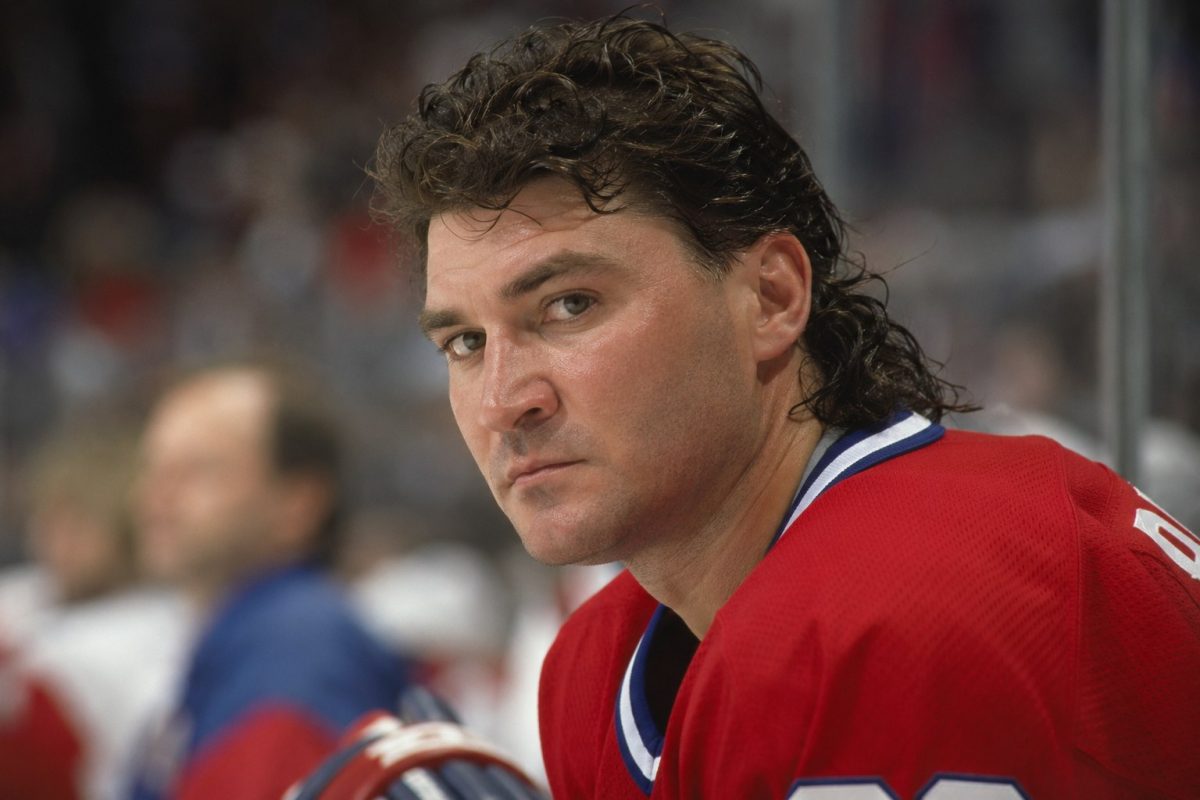
Claude Lemieux will have his brain donated to the Boston University CTE Center, his family said after the former NHL forward died by suicide at 60. The decision adds a painful new chapter to a career remembered for Stanley Cup success, fierce playoff performances and a hard-hitting style that defined a different era of hockey, as customreceipt.com reports.
Family links his name to future research
Lemieux’s family said the donation is meant to support research into the long-term impact of repetitive brain injuries. They also gave permission for the center to share future findings publicly under his name. At the same time, the family stressed that no one should draw conclusions about any diagnosis before scientific results are available.
“Claude dedicated his post-playing career to helping the next generation,” the family said.
The statement framed the decision as a way to encourage more honest conversations about athlete safety. It also underlined how difficult it remains for families to discuss brain trauma, mental health and professional sport in the same public space.
Why his NHL career matters in this story
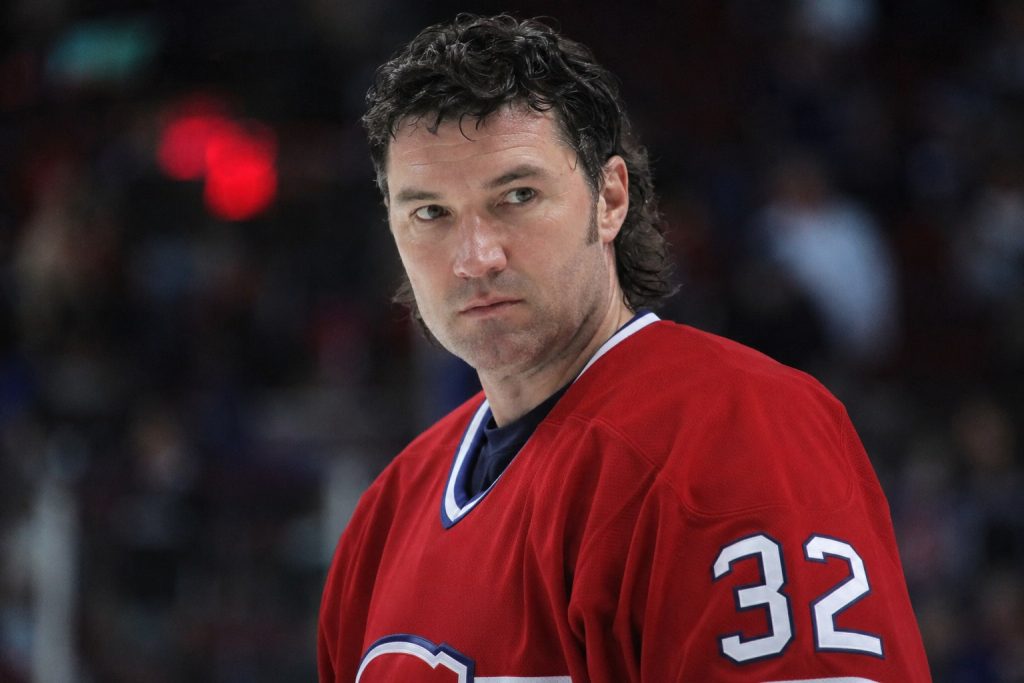
Lemieux played nearly 1,500 NHL games from 1983 to 2009 and won the Stanley Cup 4 times. He represented 6 teams and became known as one of the league’s most intense postseason players.
Key facts from his career help explain why the donation will draw attention:
- 4 Stanley Cup titles
- Nearly 1,500 NHL games
- 6 NHL teams
- A reputation for physical, playoff-driven hockey
- Later work as a player agent
These details matter because CTE research often focuses on contact sports with repeated head impacts. Lemieux’s family is not claiming a diagnosis. Their decision is about making his story part of a wider scientific discussion.
What is known now
| Detail | Information |
|---|---|
| Player | Claude Lemieux |
| Age | 60 |
| Research center | Boston University CTE Center |
| Focus | Repetitive brain injuries and CTE research |
| Family position | No diagnosis should be assumed |
The donation comes days after Lemieux served as the Montreal Canadiens’ torchbearer before a playoff game. For many fans, that public appearance made the news even more shocking. The family’s message now shifts attention from speculation to research, prevention and support.
Athlete safety remains the larger issue
The case will likely renew scrutiny of how hockey handles concussions, long-term symptoms and post-career care. The NHL has changed protocols over the years, but former players and medical researchers continue to push for deeper study. Lemieux’s family said they hope his life can help protect athletes and families in the years ahead.
For the hockey world, this is no longer only a story about a celebrated competitor. It is also a story about what the sport still needs to understand about CTE research, repeated hits and the hidden cost of contact sports.
Earlier we wrote about what is known about Emily in Paris final season: Netflix confirms the show will end after Season 6