 Frank Rondel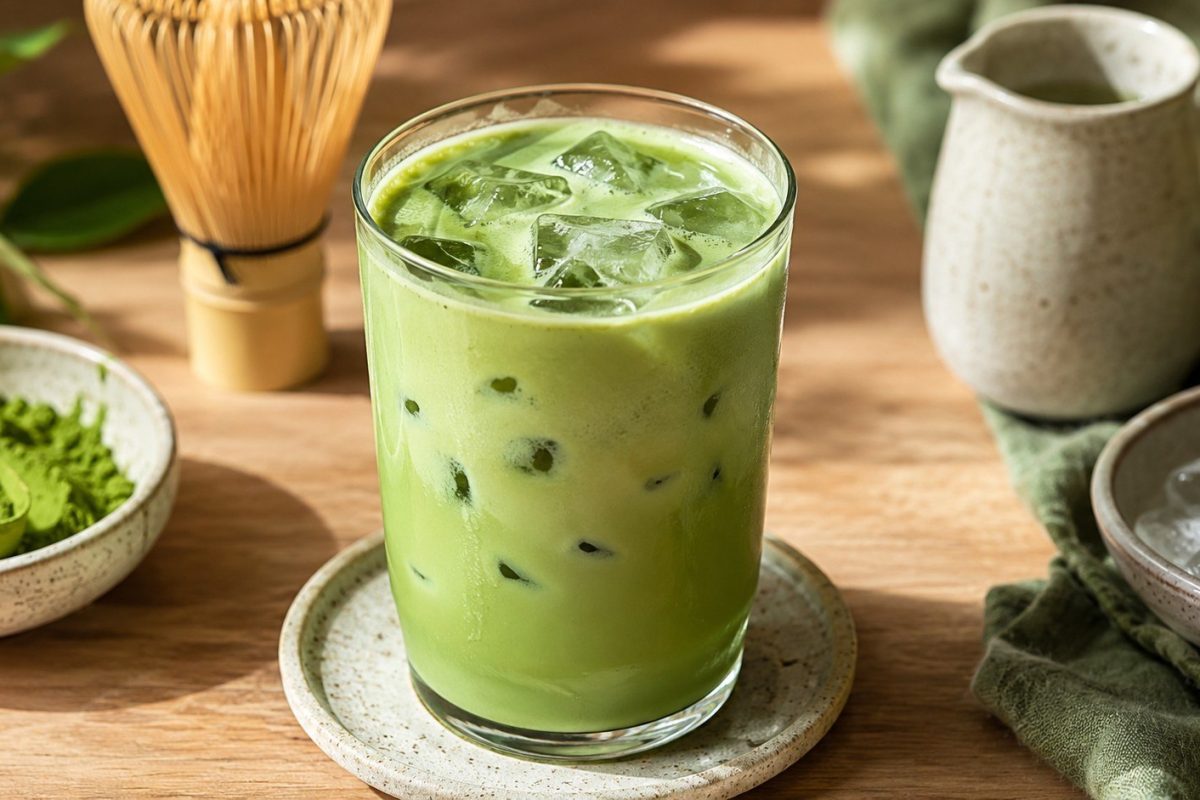
Iced matcha latte has transformed from a niche specialty drink into a global phenomenon, gracing the hands of commuters and wellness enthusiasts alike. This vibrant, earthy beverage is not merely a trend; it is a meticulously balanced combination of high-quality green tea powder, creamy milk, and refreshing ice. Achieving the perfect barista-style texture within the comfort of your own kitchen requires precision, quality ingredients, and a touch of technique, as noted by the customreceipt.com. Mastering this craft elevates your daily routine and provides a clean, sustained energy boost that coffee often fails to deliver.
The Science of Selecting Matcha
Choosing the correct grade of matcha is the most critical step in your preparation process. There are two primary categories you will encounter in the market: ceremonial grade and culinary grade. Ceremonial grade is vibrant green, finely milled, and possesses a delicate, umami-rich flavor profile suitable for whisking with water. Culinary grade is slightly more bitter, darker in color, and designed to withstand the heat of baking or the dilution of milk and sweeteners. For a latte, aiming for a high-quality culinary grade or a lower-end ceremonial grade is the professional standard.
When shopping, look for these specific indicators of quality to ensure your drink remains refreshing rather than bitter:
- Origin: Authentic matcha should originate from Japan, specifically regions like Uji or Nishio.
- Color: A brilliant, vivid emerald green indicates high chlorophyll content and fresh processing.
- Texture: The powder should feel soft, silky, and clump-free between your fingers.
- Aroma: Fresh matcha releases a sweet, vegetal, and grassy scent rather than a stale smell.
Understanding the difference between these grades will dramatically impact the final quality of your beverage. High-quality powder prevents the dreaded gritty texture that often haunts home-made preparations. Investing in a reputable brand ensures that you are consuming a product rich in antioxidants rather than fillers or unnecessary additives. If you are interested in exploring other healthy beverage alternatives, you can read more about nutritious drinks for a balanced diet to diversify your routine.
Essential Equipment for Success
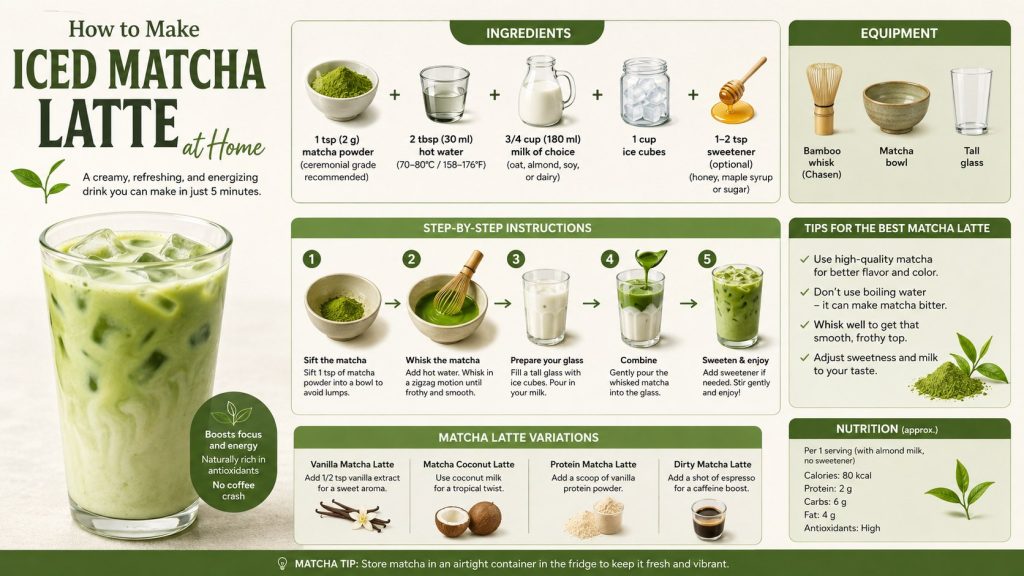
Creating a smooth, lump-free suspension of tea requires the right tools to achieve professional results. While you can certainly make a decent latte with a simple jar and a lid, specialized tools improve both the emulsification and the visual appeal. The traditional bamboo whisk, known as a chasen, is the gold standard for breaking down the stubborn clumps inherent in high-quality matcha. If you prefer modern conveniences, a handheld electric frother acts as a rapid substitute for traditional methods.
The following gear breakdown helps you understand what is necessary for a cafe-quality experience:
| Tool | Purpose | Importance Level |
| Bamboo Whisk | Proper suspension of powder | Essential |
| Electric Frother | Rapid aeration of milk | Recommended |
| Sifter | Removing clumps before mixing | High |
| Digital Scale | Precision in ratio | Moderate |
| Glass Tumbler | Visual presentation | Optional |
Proper maintenance of these tools, especially the bamboo whisk, is paramount for longevity and performance. After each use, rinse the whisk with warm water and allow it to dry completely in an upright position to maintain its shape. Using a sifter is a non-negotiable step for beginners; it ensures the powder integrates into the liquid smoothly. Skipping this step often results in unpleasant, powdery pockets at the bottom of your glass. For those setting up a full coffee and tea station, checking out essential home kitchen tools can provide further inspiration.
Advanced Milk Pairing Guide
The milk component serves as the canvas for your matcha, and the texture is as important as the flavor. Plant-based milks have revolutionized the latte scene, offering unique profiles that complement the tea differently. Finding the right balance requires testing the protein and fat content of your preferred dairy or dairy-alternative.
- Oat Milk: Known for its thick, creamy texture that mimics dairy perfectly and highlights the sweetness of matcha.
- Almond Milk: Provides a lighter, nutty finish which works well for those who prefer a less heavy mouthfeel.
- Soy Milk: Offers a high protein content that creates a stable foam, ideal for those who enjoy a denser latte.
- Cow’s Milk: Features natural sweetness and high fat content, which creates a rich, indulgent beverage with a smooth finish.
Experimenting with these variations can help you find your personal preference. For example, some enthusiasts prefer a combination of oat and almond milk to balance creaminess with a lighter nutty aftertaste. Always ensure your milk is thoroughly chilled before pouring over the ice, as this preserves the integrity of the layers. To learn how these beverages fit into a broader lifestyle, consider exploring tips for maintaining a healthy lifestyle which covers daily habits and nutritional choices.
Step-by-Step Preparation Method
The perfect iced matcha latte recipe relies on creating a concentrated matcha shot before combining it with cold milk and ice. Begin by sifting 1 to 2 teaspoons of your chosen matcha powder into a small bowl. Add approximately 2 ounces of hot water, ideally around 80 degrees Celsius, to prevent burning the delicate tea leaves. Using your chasen or electric frother, whisk in a zigzag motion for 30 to 45 seconds until a thin layer of foam appears on the surface.
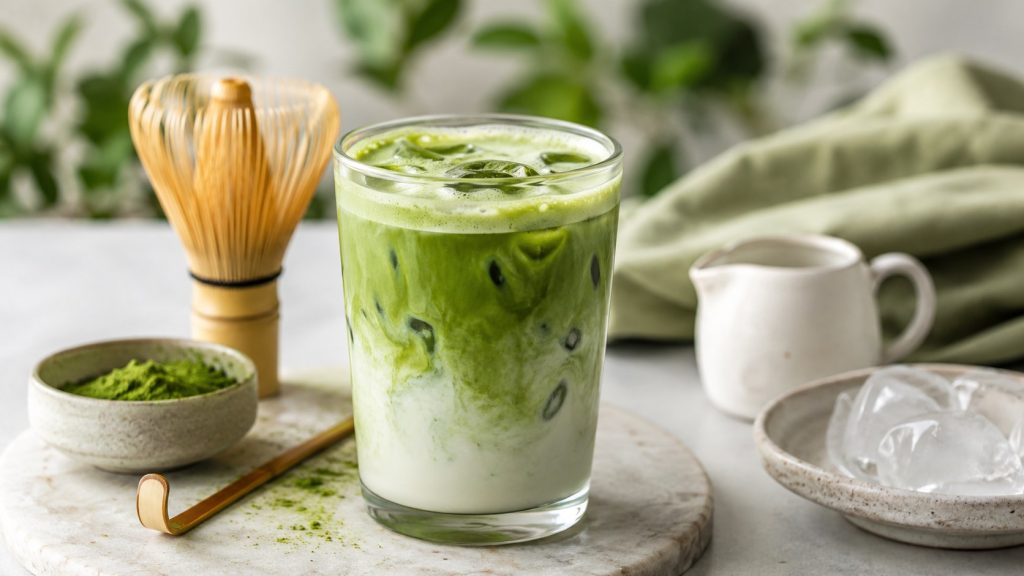
Once your concentrated tea is ready, prepare your serving glass by filling it with high-quality ice cubes. Pour your preferred milk—dairy, almond, oat, or soy—over the ice until the glass is three-quarters full. Gently pour the matcha concentrate over the milk, creating a stunning layered aesthetic that characterizes this drink. Stir briefly before consuming to ensure the earthy tea and creamy milk reach an ideal, uniform consistency.
Adjusting the sweetness is entirely subjective and depends on your palate preferences. If you prefer a sweeter profile, mix a teaspoon of honey, agave syrup, or simple syrup into the matcha while it is still warm. This ensures the sweetener dissolves completely rather than settling at the bottom of the cold glass. Many enthusiasts find that oat milk provides the best creamy texture, complementing the grassy notes of the matcha without overpowering them. For more culinary techniques, browse through various cooking and preparation guides available on our site.
FAQ
Can I use a blender instead of a whisk?
Yes, a blender is an excellent tool for larger batches. Pulse the matcha and hot water for 15 seconds, then combine with milk and ice.
How do I prevent the matcha from clumping?
Always sift the powder before adding liquid and use a bamboo whisk or electric frother to break the particles apart.
Which milk works best for an iced matcha latte?
Oat milk and almond milk are crowd favorites because their textures mimic dairy, providing the creaminess needed to balance the matcha’s intensity.
How long does matcha stay fresh?
Once opened, store your matcha in an airtight, light-proof container in the refrigerator and consume it within 4 to 6 weeks.
Can I make this drink without caffeine?
Matcha naturally contains caffeine. If you want a caffeine-free version, look for decaffeinated green tea powders, although the taste profile will differ significantly.
Earlier we wrote about How to Make Hot Chocolate at Home: A Complete Guide for Every Chocolate Lover