 Frank Rondel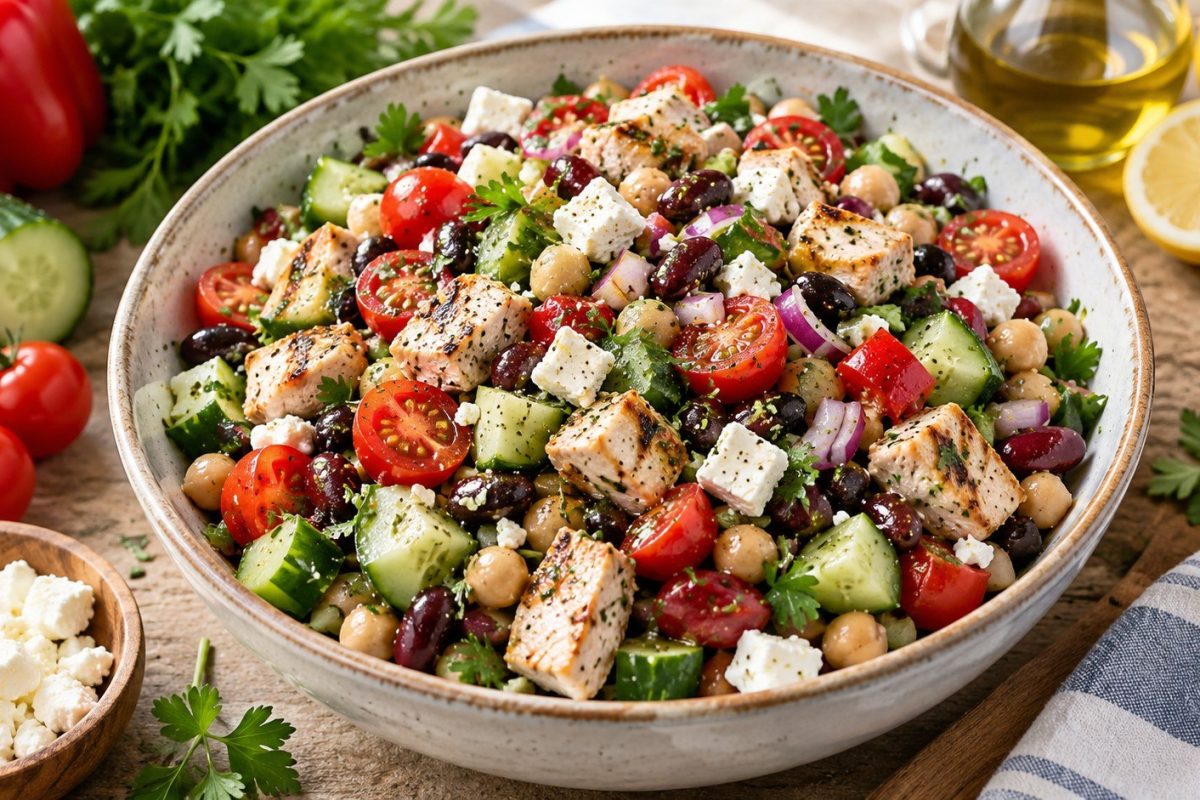
Dense Bean Salad turns 2 cans of beans into a substantial lunch with vegetables, cheese, herbs, and extra protein. Unlike lettuce-heavy salads, it keeps its structure after dressing and becomes more flavorful during refrigeration, as the customreceipt.com editorial team notes via nume.ch.
The idea became widely associated with creator Violet Witchel and later spread across short-form food platforms. Yet the format is older than its viral name. It follows the logic of marinated bean salads, antipasti, and Mediterranean vegetable dishes. Beans provide the foundation, while crisp vegetables stop the mixture from becoming monotonous.
The useful idea is not one fixed recipe. It is a ratio that balances beans, vegetables, acidity, fat, salt, cheese, and protein.
What makes a Dense Bean Salad different
A traditional green salad depends on leaves for volume. A dense bean salad reverses that structure. Beans occupy most of the bowl, while vegetables provide freshness rather than bulk. There is usually no lettuce to wilt under vinaigrette.
That difference explains why high-protein bean salad works particularly well for meal preparation. Chickpeas, cannellini beans, black beans, kidney beans, or lentils tolerate refrigeration better than delicate greens. Cucumber, peppers, cabbage, celery, and red onion also remain relatively firm.
USDA MyPlate includes beans, peas, and lentils within its Protein Foods Group. It also recognizes them within the vegetable category. That dual role makes beans useful when building a substantial meal without making meat the dominant ingredient.
The same meal-prep logic appears in other protein-focused dishes. A Greek yogurt protein bagel can accompany a smaller salad portion. A cottage cheese pasta sauce uses dairy protein differently.
“Vary your protein routine.”
USDA MyPlate, Protein Foods guidance, recommendation on choosing different protein sources.
Ingredients for 6 servings
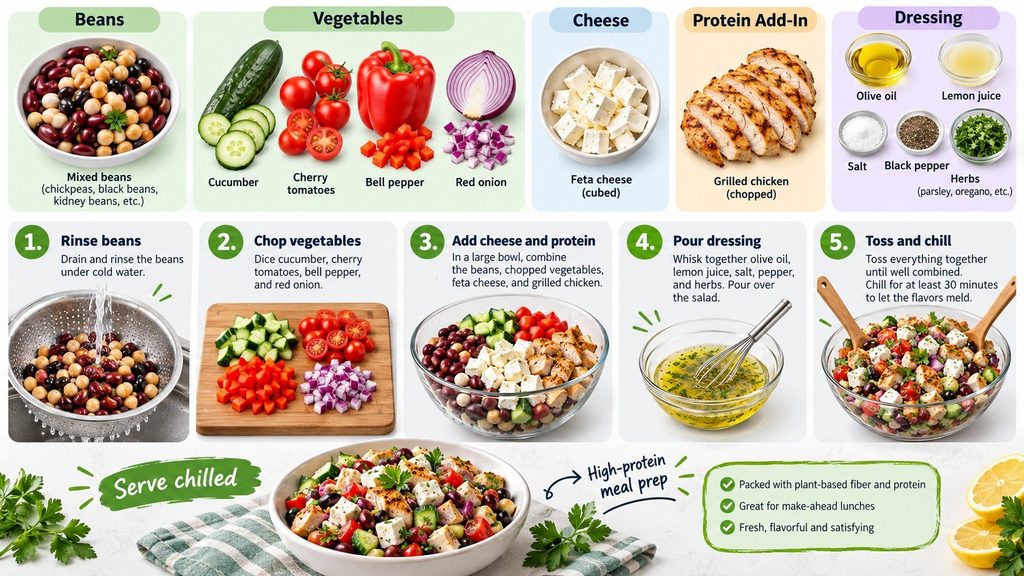
The following formula produces about 6 lunch-sized portions. It can also provide 8 smaller side servings. Drain canned beans thoroughly because excess liquid dilutes the dressing.
- 1 can chickpeas, about 15 oz or 425 g
- 1 can cannellini beans, about 15 oz or 425 g
- 1 large red bell pepper, diced
- 1 English cucumber, diced
- 1 cup cherry tomatoes, quartered
- 1/2 small red onion, finely chopped
- 1/2 cup parsley, chopped
- 1/2 cup feta, crumbled
- 2 cups cooked chicken, diced
- 1/3 cup extra-virgin olive oil
- 3 tbsp red wine vinegar
- 1 tbsp lemon juice
- 1 tsp Dijon mustard
- 1 small garlic clove, grated
- 1 tsp dried oregano
- 1/2 tsp kosher salt
- black pepper to taste
This version uses chicken because its mild flavor leaves room for the beans and vinaigrette. Turkey works almost identically. Canned tuna gives the salad a sharper, more savory character. Firm tofu keeps the recipe vegetarian when feta remains included. For a fully plant-based version, use baked tofu and omit the cheese.
Feta brings salt, acidity, and creaminess in small pockets rather than coating every ingredient. Mini mozzarella produces a gentler salad. Parmesan adds stronger umami but should be used more sparingly. Cheese is therefore structural as well as flavorful.
A 2-ingredient cottage cheese flatbread can turn the salad into a wrap-style lunch. Keep both components separate until serving.
How to make Dense Bean Salad step by step
The order matters more than it first appears. Dressing wet beans before adding vegetables helps distribute seasoning. Adding cheese near the end prevents excessive crumbling.
- Drain the chickpeas and cannellini beans, then rinse them under cold water.
- Dry the beans briefly in a colander or on clean kitchen towels.
- Dice the cucumber, pepper, tomatoes, onion, chicken, and parsley.
- Whisk olive oil, vinegar, lemon juice, mustard, garlic, oregano, salt, and pepper.
- Add beans to a large bowl and coat them with about half the dressing.
- Fold in the vegetables, herbs, chicken, and remaining dressing.
- Add feta last, then refrigerate the salad for at least 30 minutes.
The resting period changes the dish noticeably. Beans begin absorbing the acidic, herb-heavy dressing. Raw onion loses some of its aggressive bite. Parsley spreads through the mixture instead of remaining concentrated in individual spoonfuls.
Do not chop every ingredient into tiny pieces. Very small cucumber and tomato pieces release liquid faster. Roughly bean-sized vegetables provide a better texture.
Taste again after refrigeration. Cold food can seem less salty and aromatic than food at room temperature. Adjust with lemon, vinegar, pepper, or herbs before adding more salt.
For the cleanest texture, make the vegetables roughly the same size as the beans and keep the dressing distinctly acidic.
Best beans, cheese and protein combinations
There is no requirement to use a particular bean. Two contrasting varieties usually create a more interesting result. One creamy bean and one firmer bean make a useful pairing.
| Combination | Texture | Cheese | Extra protein | Dressing direction |
|---|---|---|---|---|
| Chickpeas + cannellini | Firm and creamy | Feta | Chicken | Lemon and oregano |
| Black beans + kidney beans | Firm | Cotija | Steak | Lime and cumin |
| Chickpeas + lentils | Dense and earthy | Goat cheese | Tuna | Dijon and parsley |
| Cannellini + edamame | Creamy and crisp | Parmesan | Tofu | Garlic and basil |
| Pinto + black beans | Soft and hearty | Cheddar | Turkey | Lime and smoked paprika |
A Mediterranean version benefits from olives, parsley, oregano, feta, and red wine vinegar. Southwestern versions work better with corn, cilantro, jalapeño, lime, and black beans. Italian versions can use cannellini beans, basil, roasted peppers, mozzarella, and balsamic vinegar.
Smoked or cured meats should be used carefully. Their salt becomes concentrated when combined with cheese, olives, and canned ingredients. Plain roasted chicken offers more control.
The vegetable choice should also match the planned storage time. Bell pepper, cabbage, carrots, and celery remain especially firm. Ripe tomatoes become softer sooner. Avocado should usually be added immediately before eating.
For meal prep, the most durable combination is beans, peppers, onion, firm cheese, herbs, and vinaigrette. Delicate additions can remain separate.
How to build a high-protein version
Beans already contribute protein, but totals vary considerably by variety and serving size. Cheese and an additional protein can turn the salad into a complete lunch rather than a side.
For a Dense Bean Salad with chicken, cooked breast or thigh meat both work. Breast is leaner and relatively neutral. Thigh meat stays softer after refrigeration and handles acidic dressings well.
Several additions can raise the protein content without changing the basic method:
- cooked chicken or turkey;
- canned tuna or salmon;
- hard-boiled eggs;
- edamame;
- baked tofu or tempeh;
- feta, mozzarella, or cottage cheese served alongside.
Protein totals should be calculated from actual package labels. Canned bean weights vary after draining. Chicken portions also differ between recipes. Cheese can add meaningful protein alongside sodium and saturated fat.
MyPlate lists seafood, meat, poultry, eggs, beans, lentils, nuts, seeds, and soy among protein foods. Its guidance favors variety rather than dependence on one source.
A vegetarian version can combine chickpeas, cannellini beans, edamame, and feta. Vegan preparations can use tofu with beans and tahini dressing. Neither version requires imitation meat to become substantial.
The most effective bean salad meal prep balances protein with texture, acidity, vegetables, and enough dressing to season the beans.
Dressing ratios that keep the salad bright
Dense salads can absorb more dressing than leafy salads. That does not mean they need to swim in oil. A strong vinaigrette should remain sharp enough to flavor several cups of beans and vegetables.
Start with roughly 3 parts olive oil to 1 part vinegar. Lemon juice can replace part of the vinegar. Mustard helps the mixture stay emulsified and adds savory depth.
Garlic, oregano, cumin, basil, cilantro, dill, or parsley can change the direction without changing the basic method. Fresh herbs taste brighter. Dried herbs survive longer in meal-prep containers.
Sweetness should remain restrained. About 1 tsp honey or maple syrup can soften harsh vinegar. More can push the dressing toward a glaze.
Salt needs particular attention when feta, olives, canned fish, or cured meat are included. Season lightly before refrigeration. Correct the final balance after the ingredients have rested.
Storage and meal-prep safety
A healthy Dense Bean Salad recipe is only useful for meal preparation when storage remains safe. Cooked chicken, cheese, chopped vegetables, and dressed beans all require refrigeration.
The USDA Food Safety and Inspection Service advises keeping refrigerated leftovers for 3 to 4 days. That official limit is more cautious than social-media claims about salads lasting an entire working week.
“Leftovers can be kept in the refrigerator for 3 to 4 days.”
USDA Food Safety and Inspection Service, Leftovers and Food Safety guidance.
Transfer the finished salad into sealed containers soon after preparation. Keep the refrigerator at 40°F, or about 4°C, or colder. Divide a large batch into smaller portions if several lunches are planned.
Cucumber and tomatoes can release moisture during storage. Pouring off liquid usually removes flavor too. A better solution is choosing firm vegetables and drying rinsed beans well.
Fresh herbs can be added again on serving day. A squeeze of lemon also restores brightness after refrigeration. Avoid repeatedly warming the entire container before returning it to the refrigerator.
Common mistakes that make bean salad watery or bland
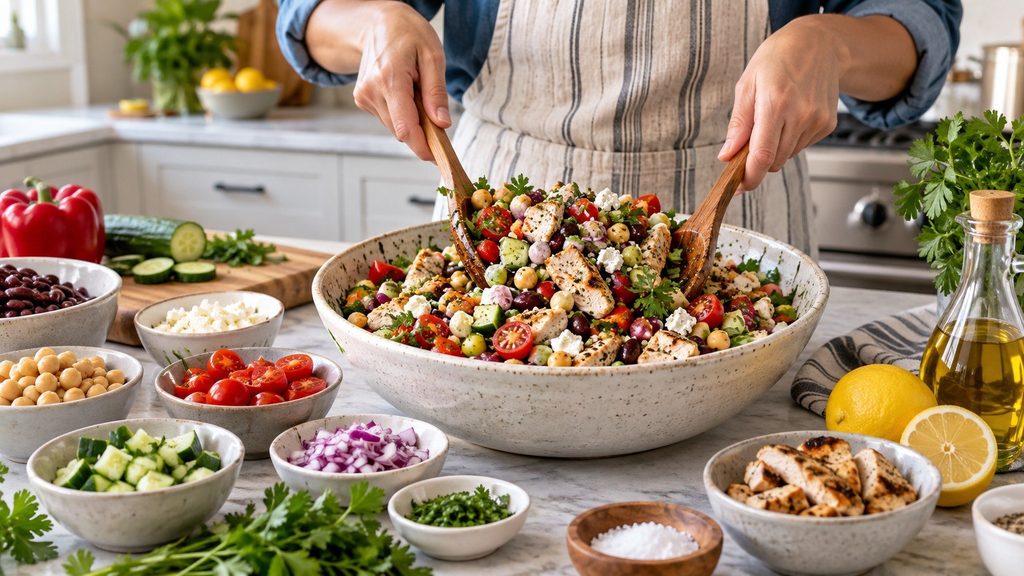
The most frequent problem begins with wet ingredients. Beans straight from the can carry water. Freshly washed vegetables can add even more. Dressing then becomes diluted before it reaches the plate.
Other avoidable problems include:
- using only soft ingredients with no crunchy vegetables;
- adding too much raw onion;
- under-seasoning the beans themselves;
- using excessive oil and too little acid;
- adding avocado several days before serving;
- combining salty cheese, olives, meat, and dressing without tasting.
After the list, the first correction is simple. Dry beans and vegetables before mixing. Then season in stages rather than pouring everything into the bowl at once.
Acid is often the missing element when the salad tastes heavy. Lemon juice or vinegar can sharpen beans without requiring extra salt. Fresh herbs solve a different problem by adding aroma.
Texture also deserves attention. Beans are naturally soft, so at least 1 crisp vegetable should remain prominent. Bell pepper and cucumber are reliable choices.
Finally, allow the salad to rest before deciding it needs more seasoning. The flavor after 30 minutes can differ substantially from the first taste.
FAQ about Dense Bean Salad
What is a Dense Bean Salad?
It is a bean-centered salad containing vegetables, dressing, and optional cheese or additional protein. Most versions contain little or no leafy lettuce.
Which beans are best for Dense Bean Salad?
Chickpeas and cannellini beans are an easy starting combination. Black beans, kidney beans, lentils, pinto beans, and edamame also work.
Can Dense Bean Salad be made vegetarian?
Yes. Combine 2 bean varieties with feta, edamame, tofu, eggs, or another suitable protein source. Vegan versions can use tofu or tempeh.
How long does Dense Bean Salad last in the refrigerator?
For recipes containing cooked protein and other perishable ingredients, USDA leftovers guidance recommends 3 to 4 refrigerated days.
Should canned beans be rinsed?
Rinsing removes packing liquid and gives the dressing more control over flavor. Drain them thoroughly afterward to prevent a watery salad.
Can the dressing be prepared separately?
Yes. Separate dressing is useful when using softer vegetables. However, sturdy beans benefit from spending some time in vinaigrette before serving.
Earlier we wrote about Breakfast Crunchwrap Recipe With Egg, Cheese and Hash Brown