 Frank Rondel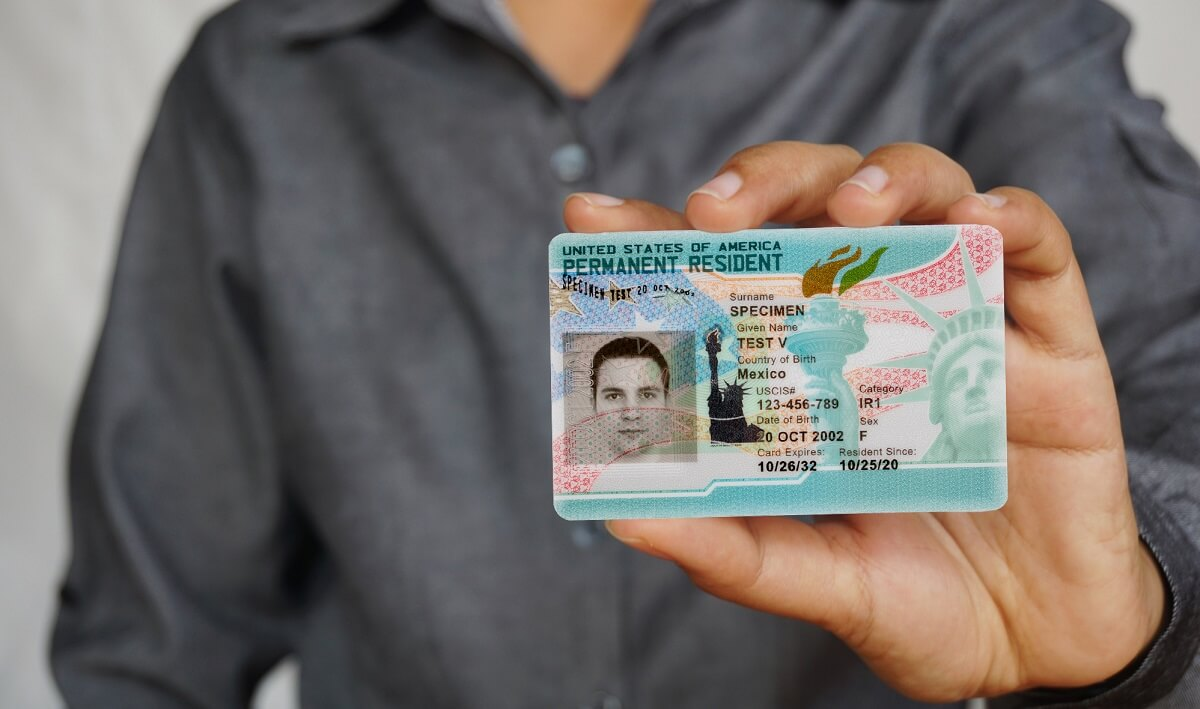
How to get a green card in the USA 2026 remains a top priority for thousands of skilled professionals and families worldwide. The American immigration landscape is currently undergoing significant administrative shifts aimed at balancing security with economic growth. Applicants must navigate a complex system of federal laws and bureaucratic procedures to secure permanent residency status successfully. Understanding the specific categories of eligibility is the first step toward building a legal future in North America. Currently, the Department of State and USCIS have implemented new digital filing systems to streamline the massive backlog of applications. Potential immigrants should be aware of changing income requirements and the updated public charge rules for the current fiscal year. Professional legal counsel is often recommended to avoid common filing errors that lead to immediate rejection of petitions. Comprehensive updates on federal policy and lottery deadlines are regularly provided by the customreceipt.com.
Family sponsorship and employment based immigration paths
The most common method for obtaining residency is through close family members who are already citizens or permanent residents. Immediate relatives such as spouses, children under 21, and parents of U.S. citizens have the highest priority in processing. For other family categories, such as siblings or adult children, the waiting period can extend for several years due to annual quotas. On the professional side, the employment based system rewards individuals with extraordinary abilities or those filling critical labor shortages. Categories range from EB-1 for researchers and executives to EB-3 for skilled workers and professionals with degrees. Each path requires specific documentation including labor certifications and proof of legitimate job offers from American employers. The 2026 fiscal year shows an increased focus on technology and healthcare sectors to meet national demand.
Key categories for employment and family petitions include the following:
- EB-1: priority workers with extraordinary ability in science, arts, or business.
- EB-2: professionals with advanced degrees or persons with exceptional ability.
- EB-3: skilled workers, professionals, and other workers with job offers.
- IR-1/CR-1: spouses of U.S. citizens through marriage based petitions.
- IR-2: unmarried children under 21 years of age of U.S. citizens.
- F-4: brothers and sisters of adult U.S. citizens.
These pathways require rigorous background checks and medical examinations to ensure compliance with health and safety standards. Applicants must maintain their legal status if they are already present in the country during the adjustment process. Failure to follow the strict timeline for document submission can result in the loss of your priority date. It is essential to keep a record of all correspondence with the National Visa Center during this phase. Many applicants find that working with an accredited representative helps them manage the heavy paperwork involved in these categories. Consular processing remains the standard for those applying from their home countries outside the United States.
The diversity visa lottery and investment opportunities
For those without family or employer ties, the Diversity Visa Lottery offers a unique chance for people from underrepresented countries. This program awards up to 50,000 green cards annually through a randomized computer drawing conducted by the State Department. Registration typically occurs in the autumn months, and results are announced the following spring for the upcoming fiscal cycle. Another high level option is the EB-5 investor program, which requires a significant financial commitment to the economy. This path is designed for individuals who can invest at least 800,000 dollars in targeted employment areas. Such investments must create or preserve at least ten full time jobs for qualified American workers. This category is often chosen by wealthy entrepreneurs seeking a direct route to residency for their entire family.
Current financial requirements and processing times for popular programs are as follows:
| Program Type | Minimum Financial Requirement | Average Processing Time |
| Marriage Based | Filing fees around 1760 dollars | 10 to 15 months |
| EB-5 Investor | 800,000 to 1,050,000 dollars | 24 to 48 months |
| Diversity Lottery | Free to enter the draw | 12 to 18 months if won |
| Employment EB-2 | Filing fees around 1500 dollars | 12 to 24 months |
The lottery remains one of the few ways to obtain residency without an existing connection to the United States. However, the probability of winning is low due to the millions of entries received from across the globe every year. Investors must undergo a very strict audit of their source of funds to prevent illegal financial activity. Government officials verify that all invested capital was earned through legitimate business or personal means. Successfully navigating the EB-5 path leads to a conditional green card for the first two years of residency. After proving that the jobs were created, the investor can apply to remove the conditions and stay permanently. Each of these programs has a different set of administrative hurdles that require careful planning and financial readiness.
Maintaining status and avoiding common legal pitfalls
Securing a green card is only the beginning of the journey toward becoming a fully integrated member of society. Permanent residents must obey all federal and state laws to avoid the risk of deportation or loss of status. Traveling outside the country for more than one year without a reentry permit can be seen as abandonment of residency. It is also vital to notify the authorities of any change of address within ten days of moving. Many people forget that tax compliance is a mandatory part of maintaining your legal standing in the country. Filing federal tax returns as a resident is a requirement even if part of your income is earned abroad. Failure to follow these rules can complicate the eventual application for naturalization and citizenship after five years.
Essential tips for permanent residents to protect their status:
- Always carry proof of your permanent resident status or a valid state ID.
- Renew your green card six months before the current expiration date.
- Do not participate in any voting activities reserved exclusively for citizens.
- Maintain a permanent physical residence address within the United States.
- Consult an immigration lawyer before accepting any plea deals in legal cases.
- Keep all records of international travel including dates and purpose of visits.
Remaining vigilant about your legal responsibilities ensures that your path to citizenship remains open and unobstructed. Minor administrative errors can sometimes be corrected, but criminal convictions often lead to permanent bars from the country. Understanding your rights and duties as a green card holder is just as important as the initial application. Many community organizations offer free workshops on how to manage your residency and prepare for future naturalization tests. Documenting your continuous presence in the country is the best way to prove your intent to remain a resident. By following these professional guidelines, you protect the significant investment of time and money made during the immigration process.
Earlier we wrote about how to help a baby with colic: effective tips, causes and soothing methods for parents.