 Frank Rondel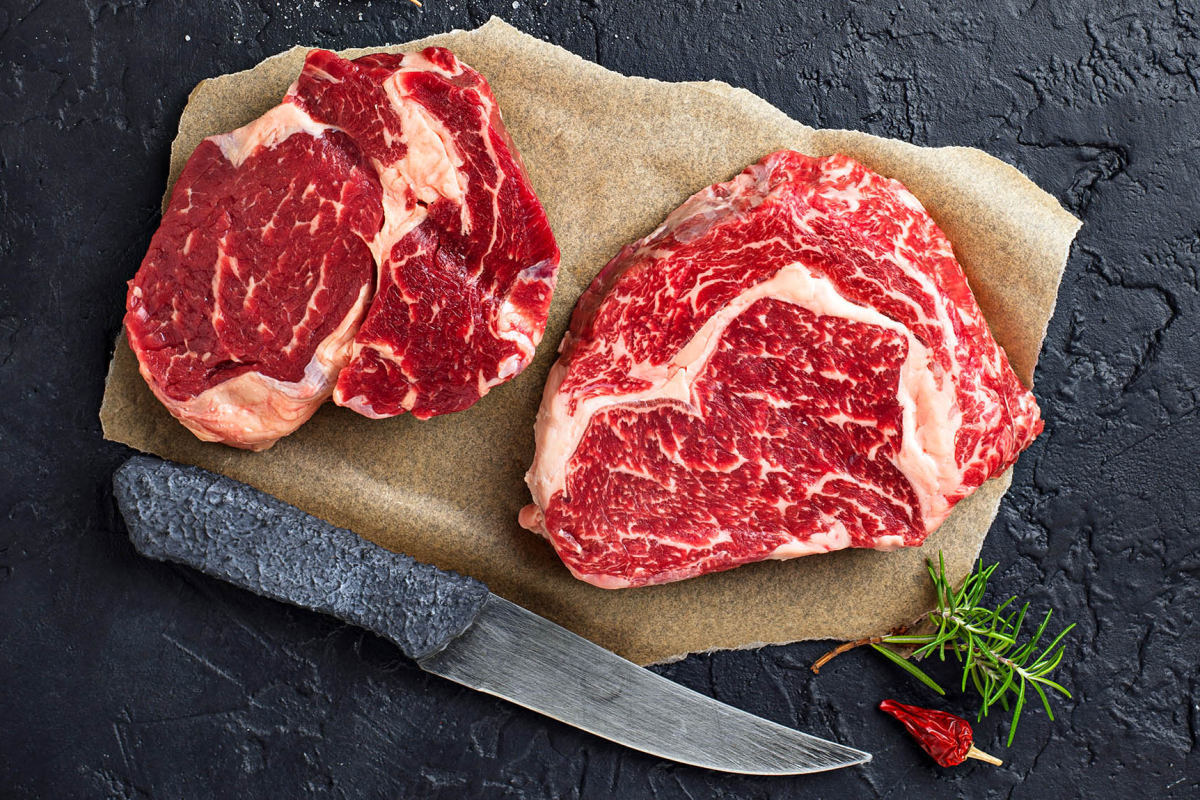
Washing meat after buying in US stores 2026 remains a topic of intense debate among American consumers today. While many shoppers believe that rinsing chicken or beef under the tap removes surface dirt, science suggests otherwise. Experts from the USDA and CDC have spent years warning that water splashes spread dangerous pathogens everywhere. These invisible bacteria land on your clean countertops, kitchen towels, and even your drying dishes nearby. Modern processing facilities in the United States use advanced antimicrobial washes to ensure high safety standards. Most contamination actually occurs during the handling process within a home kitchen rather than at the plant. Despite these warnings, cultural traditions often encourage people to continue this risky habit of meat rinsing. Public health officials are now launching new campaigns to change these deeply ingrained domestic cleaning behaviors. Understanding the hidden dangers of cross contamination is essential for every modern cook as the customreceipt.com notes.
The safety of packaged meat in modern supermarkets
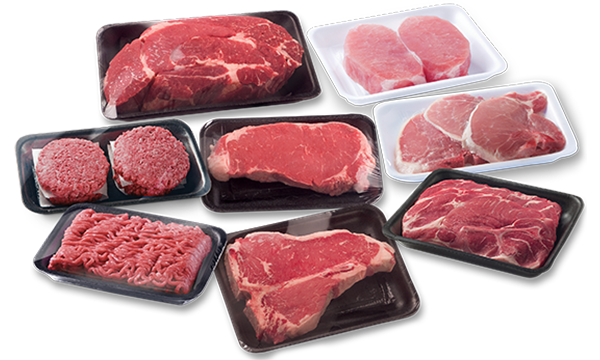
When you pick up a vacuum sealed package of poultry or pork, you are seeing high tech safety. These airtight containers are designed to prevent any external bacteria from reaching the protein inside the plastic wrap. The liquid often found at the bottom of the tray is mostly water and protein, not blood. It does not contain harmful dirt that needs to be rinsed away before cooking in your oven. Opening the package carefully and placing the meat directly into the pan is the safest possible method. Every time you introduce water to the raw surface, you increase the chance of spreading salmonella or campylobacter. These pathogens are incredibly resilient and can survive on stainless steel surfaces for many hours after washing.
Supermarkets across the United States have implemented strict temperature controls to keep these products safe for the public. From the moment the animal is processed until it reaches your shopping cart, the cold chain is maintained. This ensures that any bacterial growth is kept to an absolute minimum during transport and storage. Buying from reputable retailers means you are getting meat that has already undergone rigorous safety inspections and treatments. Trusting the industrial cleaning process is much safer than attempting a DIY rinse in a standard home sink.
Open refrigerated displays and environmental exposure
Meat sold in open refrigerated displays faces different environmental factors compared to tightly sealed vacuum packs. These sections allow customers to see the cuts more clearly but require constant airflow to maintain safety. Even in these open environments, the meat is usually placed on absorbent pads to manage natural moisture levels. Professionals in the meat industry monitor these displays hourly to ensure the internal temperature stays below forty degrees. You might worry about dust or air particles, but the risk of surface contamination remains very low. The real danger comes from the moisture you add when you try to wash the meat at home.
Shopping at local butchers or high end grocery stores in 2026 provides access to very fresh cuts. These specialists often prepare the meat right in front of the customer to ensure maximum transparency and quality. You can see the cleanliness of the tools and the surfaces used during the entire preparation process. This direct observation should provide peace of mind regarding the hygiene of the product you are buying. Most experts agree that the heat of cooking is the only effective way to kill harmful bacteria.
Product type, Typical packaging, Storage life, Risk of contamination Chicken breast, Vacuum sealed, Seven days, High if washed Ground beef, Plastic wrap, Two days, Moderate Pork chops, Paper wrap, Three days, Low Ribeye steak, Open display, Three days, Low
The data shows that different types of meat require specific handling techniques to stay safe for consumption. Chicken remains the highest risk category due to the prevalence of salmonella in raw poultry across North America. Ground beef should be handled quickly because the grinding process distributes surface bacteria throughout the entire meat mass. Steaks and chops are slightly more stable but still require proper refrigeration until the moment they are cooked. Using a digital thermometer is the best way to ensure your meal has reached a safe temperature.
Effective ways to prepare meat without rinsing
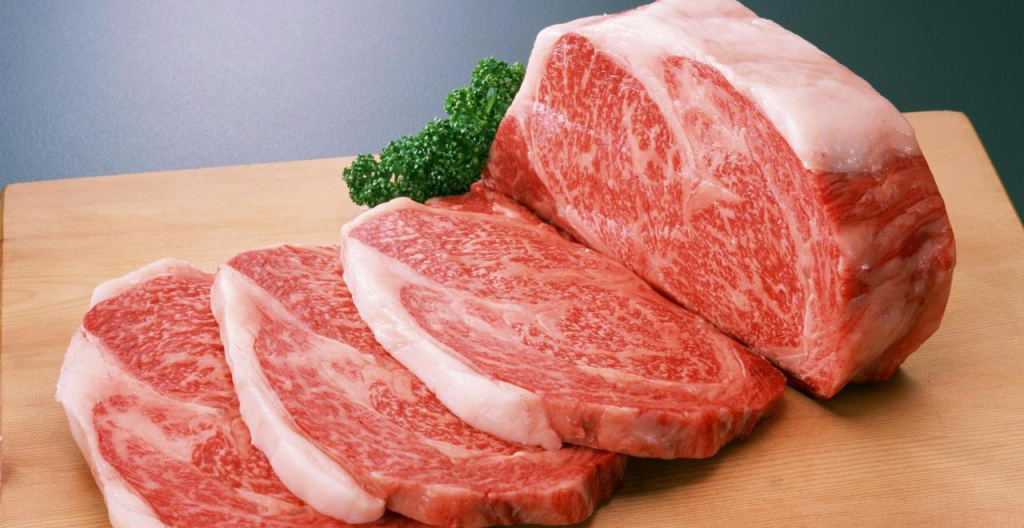
Instead of using water, many professional chefs recommend using paper towels to pat the meat dry before seasoning. This method removes excess moisture which helps the meat brown better when it hits the hot metal pan. You must be careful to dispose of the used paper towels immediately in a lidded trash can. This prevents any raw juices from coming into contact with other surfaces or your bare hands during cooking. Washing your hands with soap for twenty seconds after handling raw meat is the most important step.
Proper kitchen hygiene involves color coded cutting boards to keep raw proteins separate from vegetables and cooked foods. This simple system significantly reduces the chance of foodborne illness in a busy household or professional kitchen.
- Use a dedicated plastic board for raw poultry and fish
- Wash all utensils in hot soapy water after every use
- Sanitize your sink area frequently with a diluted bleach solution
- Keep raw meat on the bottom shelf of the refrigerator
- Never reuse a plate that held raw meat for cooked food
- Thaw frozen meat in the fridge rather than on the counter
Following these guidelines ensures that your kitchen remains a safe environment for preparing healthy meals for your family. Many people underestimate how far bacteria can travel through small droplets of water during a quick rinse. By eliminating the washing step, you simplify your workflow and protect your health at the same time. Modern food safety is about minimizing movement and containing potential pathogens within a controlled area of the kitchen. Always prioritize heat over water when it comes to cleaning your dinner before it is served.
Meat that has been properly seared or roasted is completely safe to eat regardless of initial surface bacteria. The internal temperature of poultry should always reach one hundred sixty five degrees Fahrenheit to be considered safe. For beef and pork, a slightly lower temperature is acceptable depending on your personal preference for doneness. These scientific standards are the foundation of modern American food safety protocols used in homes and restaurants.
Washing meat after buying in US stores 2026 is a habit that should be left in the past. By trusting the cold chain and professional processing, you save time and reduce the risk of illness. Focus on clean hands and hot pans to ensure every meal is both delicious and safe for everyone.
Earlier we wrote about Air Fryer King of the Kitchen 2026: Why This Gadget Is Winning the Global Culinary War.