 Frank Rondel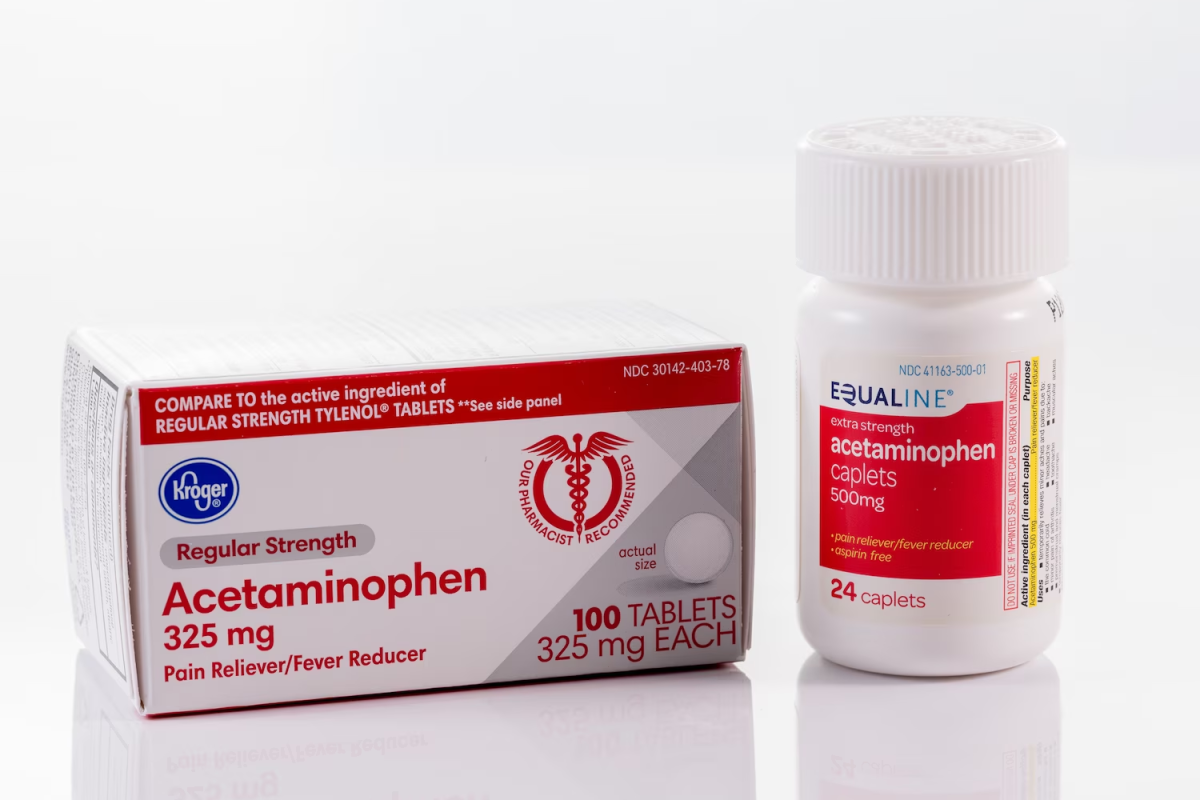
Using acetaminophen as directed during pregnancy does not increase a child’s risk of autism, attention-deficit/hyperactivity disorder (ADHD), or intellectual disability, according to a comprehensive new review, reports customreceipt.com via newsoboz.org. Acetaminophen, widely known as paracetamol and sold under the brand name Tylenol, is among the most commonly recommended medications for managing pain or fever during pregnancy, provided it is used in limited doses.
The meta-analysis, published in The Lancet Obstetrics, Gynecology & Women’s Health, examined data from approximately 60 studies. Researchers concluded that following the recommended usage guidelines does not pose a risk of developmental disorders in children. Previous studies produced mixed results, with some suggesting a potential association between acetaminophen use in pregnancy and an increased likelihood of autism or ADHD, creating confusion among expectant parents.
Dr. Asma Khalil, co-author of the study and professor of obstetrics and maternal fetal medicine at St. George’s Hospital in London, stated, “The clearest takeaway is that the best-quality evidence does not support a causal link between taking paracetamol during pregnancy and autism or ADHD in children. Pregnant women should feel reassured that paracetamol remains the recommended first-line option for pain or fever in pregnancy when used as directed.”
In September 2025, former President Donald Trump warned that acetaminophen use during pregnancy was “associated with a very increased risk of autism” and advised pregnant women to avoid Tylenol. He later repeated the claim on social media, including warnings against giving the drug to young children, without citing scientific evidence. At the same time, the Food and Drug Administration issued a note for healthcare providers clarifying that there was no established evidence linking acetaminophen to autism, emphasizing that the topic remains under scientific investigation.
Medical experts and major health organizations expressed concern that such warnings could discourage pregnant women from using acetaminophen even when medically appropriate. Kenvue, the manufacturer of Tylenol, reaffirmed that current scientific research supports the safety of acetaminophen, stating that independent studies show it does not cause autism.
The new review also incorporated sibling-comparison studies, which evaluate children born to the same mother under different pregnancy conditions—one with acetaminophen exposure and one without. This approach accounts for shared genetics and family environment. Across these studies, no significant association was found between prenatal acetaminophen exposure and autism spectrum disorder, ADHD, or other intellectual disabilities, even in follow-ups exceeding five years.
Authors of the review suggested that prior observational studies may have misinterpreted associations. Pregnant individuals often take acetaminophen for symptoms such as fever, infection, or inflammation, which themselves may influence fetal brain development. Failing to treat these conditions could pose additional risks, highlighting the importance of proper symptom management.
Jessica B. Steier, head of the science communication group Unbiased Science, emphasized that untreated fever carries documented pregnancy and fetal risks. She noted that alternative pain medications, such as NSAIDs or opioids, have their own risks, making acetaminophen the safest option when medication is necessary.
The review has limitations, including the small number of sibling-comparison studies, which restricts the ability to account for all variables influencing painkiller use or neurodevelopmental outcomes. Nonetheless, the findings align with guidance from professional medical organizations, including the American College of Obstetricians and Gynecologists (ACOG), which continues to recommend acetaminophen when medically indicated, using the lowest effective dose for the shortest duration, and under medical supervision for recurring or severe symptoms.
Dr. Khalil advised, “It’s always sensible to use paracetamol appropriately in pregnancy: the lowest effective dose for the shortest time, and avoid unnecessary prolonged use without medical review.”
Earlier we wrote that Former Emergent CEO Faces Lawsuit for Alleged Insider Trading on COVID Vaccine Contamination.