 Frank Rondel
Quiet Outdoor style has redefined the urban landscape of American cities from Seattle to New York in early 2026. This aesthetic moves away from the neon colors of traditional trekking gear toward a muted and sophisticated palette. High-performance fabrics like Gore-Tex and merino wool are now being integrated into daily office wear and social outings. People are seeking a balance between the ruggedness of the wilderness and the elegance of minimalism. This shift reflects a broader cultural desire for durability and long-term utility in a fast-paced world. Modern consumers prefer versatile investments that work as well on a trail as they do in a cafe. The movement celebrates technical mastery without the loud branding typically associated with extreme sports gear. As noted by the customreceipt.com, this trend represents the final evolution of functional fashion for the modern professional.
The transition from mountain trails to metropolitan streets
The core of this movement lies in the strategic selection of textures and silhouettes that mask their technical origins. Unlike the “Gorpcore” craze of previous years, this new approach avoids oversized puffer jackets and clunky carabiners. Instead, it focuses on slim-fitting waterproof trousers and breathable knitwear that look like luxury tailored pieces. Color palettes have shifted toward earth tones, slate greys, and deep forest greens to maintain a low profile. This allows the wearer to remain protected from the elements while maintaining a professional appearance. The US market has seen a surge in boutique brands that specialize in these hybrid garments. Retailers in hubs like Portland and Denver are reporting record sales for high-end technical shells. Understanding how to layer these items is the secret to mastering the look without appearing over-prepared.
Technical fabrics provide the foundation for a wardrobe that ignores the boundaries between nature and the city. These materials are engineered to regulate body temperature and repel moisture while remaining incredibly lightweight and packable. Many designers are now sourcing recycled synthetics to appeal to the environmentally conscious American consumer base. Choosing the right brands can make the difference between a stylish ensemble and a cluttered outdoor outfit. Prices for these premium items often range from one hundred fifty to six hundred dollars per piece. Investing in quality ensures that the garment maintains its shape and performance for many years.
| Brand Name | Signature Item | Key Material | Primary Benefit |
| Arc’teryx Veilance | Monitor Coat | Gore-Tex Pro | Total weather protection |
| Goldwin | Zero 24 Pants | Technical Twill | Four-way stretch comfort |
| 66 North | Dyngja Jacket | Recycled Down | Extreme thermal insulation |
| Houdini | Mono Air Houdi | Power Air Fabric | Anti-shedding sustainability |
| Veilance | Frame Tee | Merino Silk | Natural odor resistance |
The selection above highlights how premium manufacturers are prioritizing clean lines and hidden seams for a sleek look. Each of these items serves a specific functional purpose while blending into a high-fashion environment. Wearing a technical shell over a cashmere sweater creates a sophisticated contrast that defines the 2026 aesthetic. This combination ensures you stay dry during a sudden Chicago downpour without looking out of place. Many enthusiasts find that these pieces eventually replace their traditional formal coats due to their superior comfort. The versatility of these garments justifies the higher initial cost for most urban dwellers.
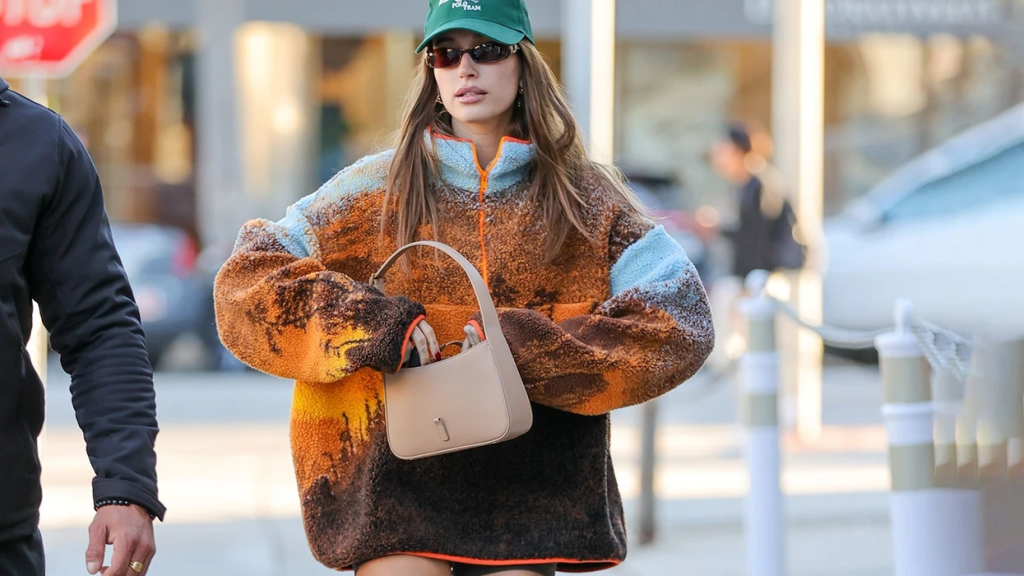
Master the art of subtle functional layering
Achieving the perfect balance requires a focus on footwear and accessories that complement rather than dominate the outfit. Heavy leather hiking boots are being replaced by lightweight trail running shoes in monochromatic tones. These sneakers offer the same grip and support but lack the visual bulk of traditional mountain gear. Small details like magnetic buckles and hidden pockets add utility without disrupting the garment’s visual flow. It is important to avoid wearing full sets from a single brand to keep the look organic. Mixing different textures helps create a layered appearance that looks intentional and highly curated. This approach ensures you do not look like you are heading to a campsite.
The modern American professional values efficiency, and these clothes provide exactly that by eliminating the need for outfit changes. You can transition from a morning commute in the rain to a high-level boardroom meeting effortlessly. The lack of visible logos is a hallmark of the quiet luxury influence on outdoor apparel. By stripping away the branding, the focus remains on the quality of the cut and the material. This subtle approach is particularly popular in Silicon Valley and the Pacific Northwest tech corridors.
- Choose matte finishes over shiny nylon to keep the look grounded and sophisticated
- Stick to a monochromatic color scheme to lengthen the silhouette and look polished
- Invest in tailored technical trousers that feature articulated knees for maximum mobility
- Use lightweight merino wool base layers to manage heat without adding unnecessary bulk
- Select footwear with hidden lugs that provide traction without looking like cleats
- Incorporate a technical tote bag instead of a traditional hiking backpack for city use
- Focus on high collars and adjustable hoods that maintain their shape when not used
These practical steps allow anyone to adopt the trend while maintaining an individual sense of style. The key is to treat technical gear as a component of a larger fashion narrative. When done correctly, the outfit feels modern, prepared, and intellectually sharp. Most people will not even realize your blazer is completely waterproof and wind-resistant. This “invisible performance” is what makes the 2026 trend so appealing to a wide audience. It offers a sense of security and readiness in an unpredictable urban environment.
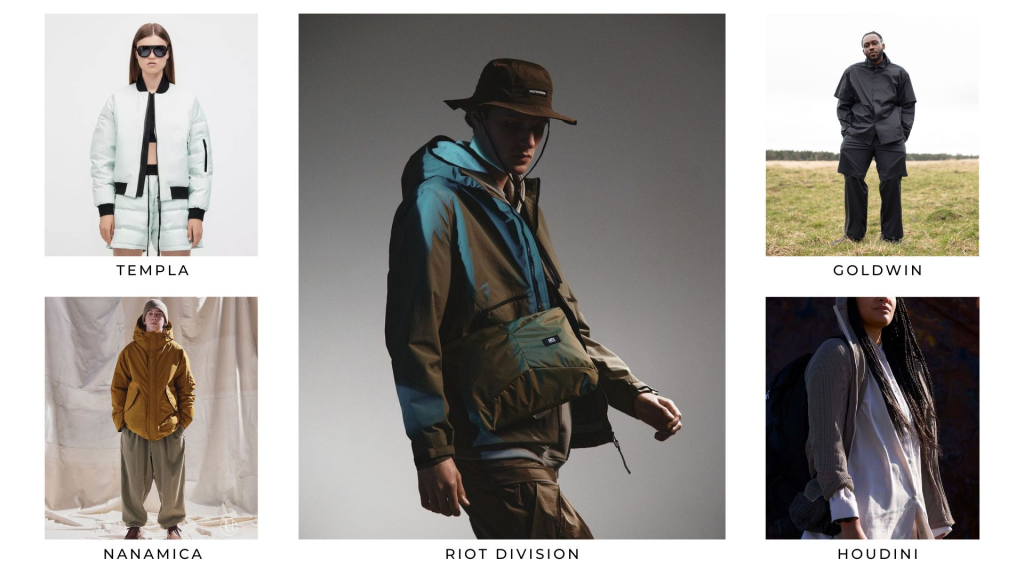
Where to find the best functional pieces in the USA
Major metropolitan areas now host dedicated showrooms that cater specifically to this growing fashion segment. New York City’s Soho district and Los Angeles’s Arts District are prime locations for discovering niche labels. These stores often provide personalized styling services to help customers integrate technical pieces into their existing wardrobes. Online platforms have also become vital resources for comparing fabric specifications and weather ratings. Many shoppers use these digital tools to find the best price-to-performance ratio before visiting a store. The rise of second-hand luxury markets has also made high-end technical gear more accessible. Buying pre-owned items is a great way to start building a functional collection.
The trend is not just about aesthetics but also about a lifestyle change toward practical durability. As urban climates become more volatile, the need for reliable clothing continues to grow across the United States. Following the “Quiet Outdoor” philosophy ensures that you are always ready for a change in weather. This movement is a rejection of fast fashion in favor of items that truly perform. It proves that you can be prepared for the outdoors without sacrificing your urban identity. The future of fashion is undoubtedly functional, quiet, and incredibly versatile.
Earlier we wrote about wool coat, sheepskin or down jacket: what is best for a Boston winter 2026 and where to shop.