 Frank Rondel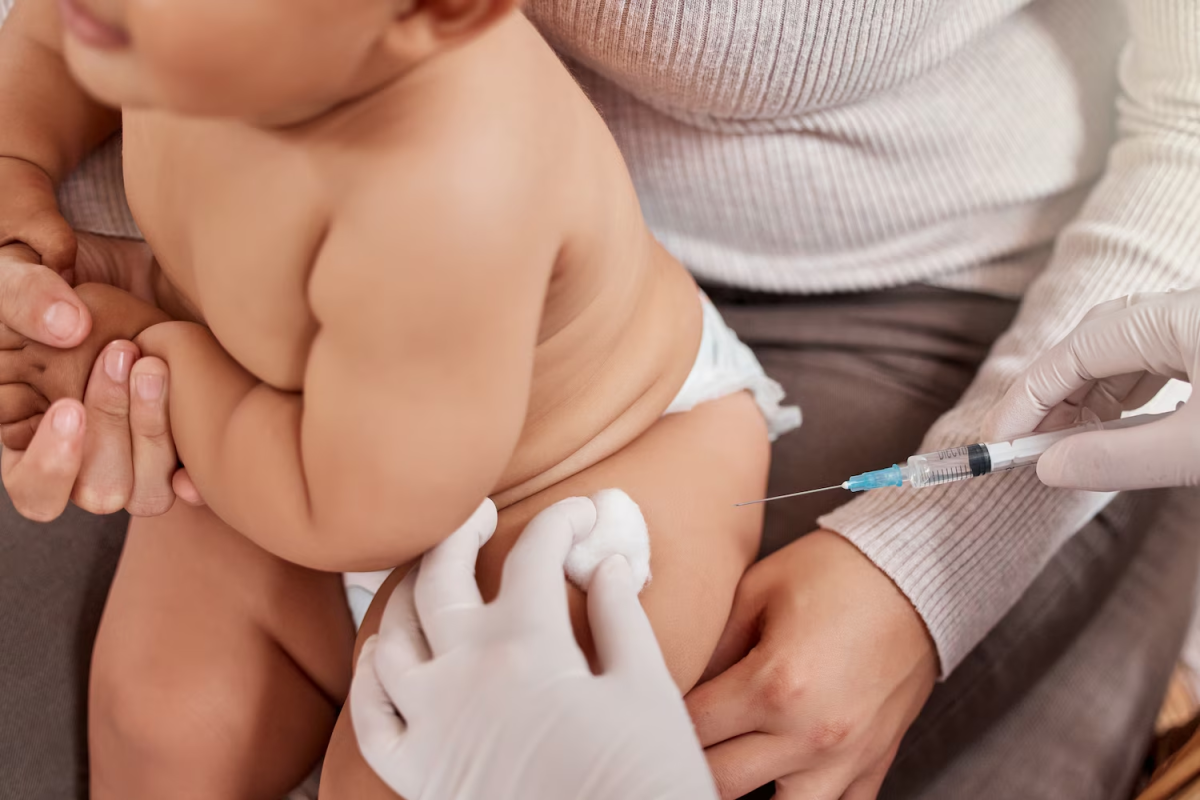
A growing number of parents in the United States are declining vitamin K injections for their newborns, raising concerns among medical professionals about the increased risk of severe bleeding, reports customreceipt.com via ABC News. Medical experts emphasize that this shot, recommended since the early 1960s, is a critical preventive measure against potentially life-threatening vitamin K deficiency bleeding.
Vitamin K is essential for blood clotting, yet newborns are born with very low levels, making them vulnerable to spontaneous or post-procedural bleeding. The Centers for Disease Control and Prevention (CDC) report that without the injection, babies are over 80 times more likely to develop severe bleeding. The single intramuscular dose is usually administered shortly after birth and provides protection until infants begin consuming solid foods rich in vitamin K, generally around six months of age.
Recent research indicates a worrying trend: the proportion of babies who do not receive vitamin K shots has nearly doubled. A study published in JAMA, led by Dr. Kristan Scott, analyzed more than 5 million health records from 2017 to 2024 and found that in 2024, 5.2% of newborns were not given the injection, compared to approximately 3% in 2017. This translates to nearly 190,000 infants missing this essential dose last year.
Healthcare professionals note that misinformation and confusion about the injection contribute to rising refusal rates. Some parents mistakenly believe the shot contains harmful preservatives or confuse it with a vaccine, despite the fact that vitamin K is a safe supplement, not a vaccine. Physicians report increasingly frequent discussions with families about the benefits and necessity of the shot during prenatal consultations, reflecting the growing concern over declining compliance.
The consequences of refusing vitamin K can be severe. Bleeding can occur anywhere in the body, but brain hemorrhages are among the most dangerous. Dr. Leah Croll, assistant professor of neurology at SUNY Downstate Health Sciences University, explains that rapidly growing blood vessels in the brain are especially susceptible to rupture, potentially causing permanent disability or death. Excessive bleeding from the umbilical cord or following routine procedures such as circumcision is also common in vitamin K deficiency.
Doctors emphasize that the injection is safe, with only minor risks such as temporary local irritation. Oral vitamin K formulations exist but require multiple doses over several weeks and have less predictable absorption, making them a less reliable alternative. Historical evidence also demonstrates the importance of universal vitamin K administration. In the early 1980s, some hospitals in England reduced routine use due to unfounded cancer concerns, resulting in an increase in deficiency-related bleeding, which was only reversed when intramuscular injections were reinstated.
Medical professionals urge parents to consult trusted healthcare providers before declining vitamin K. According to Dr. Scott and Dr. Katharine Clouser of Hackensack University Medical Center, the consensus among physicians, midwives, and nurses is that the shot is both safe and effective, and refusing it exposes infants to preventable, potentially devastating health risks.
Earlier we wrote that New Study Confirms Tylenol Safe in Pregnancy: No Autism or ADHD Risk in Children