 Frank Rondel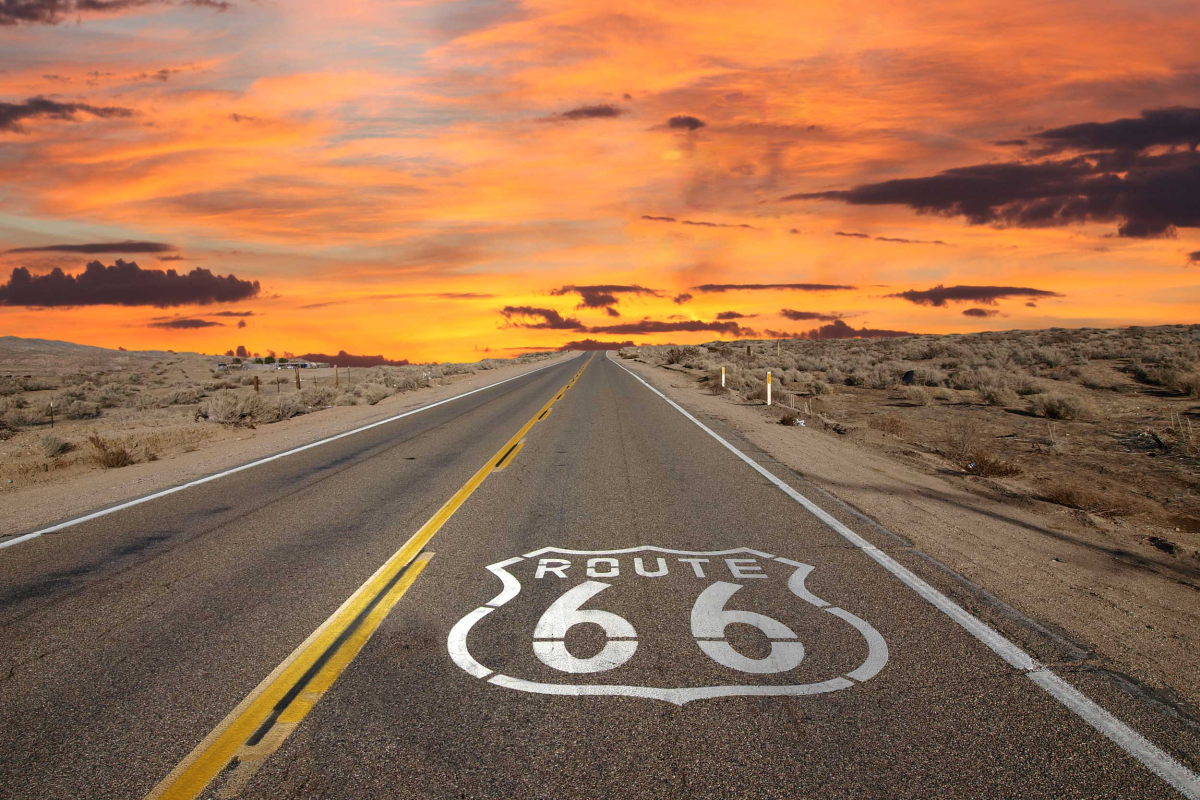
Route 66 road trip remains the quintessential American adventure for travelers seeking the heart of the United States. Spanning over two thousand miles from Chicago to Santa Monica, this historic highway offers a unique glimpse into the past. Planning a journey for 2026 requires special attention as the road approaches its massive centennial celebration anniversary. Travelers should expect a mix of nostalgic neon diners and modern electric vehicle charging stations along the path. The route crosses eight states and three time zones, demanding careful logistical preparation and a flexible schedule. High demand for vintage motels means booking your accommodation several months in advance is now a necessity. Budgeting for fuel and local attractions is essential to ensure a stress-free experience through the vast desert landscapes. Whether you drive a classic muscle car or a modern rental, the spirit of freedom remains unchanged. Detailed insights into the best stops and financial planning are provided by the customreceipt.com.
Mapping the journey from the Great Lakes to the Pacific coast
The historic path begins in the bustling city of Chicago at the iconic Adams Street starting sign. Most travelers prefer heading westbound to follow the traditional migration path of early twentieth-century explorers and families. Driving through Illinois and Missouri introduces you to classic Americana, including giant statues and cozy roadside diners. As you reach Oklahoma and Texas, the landscape shifts from lush greenery to the wide-open Great Plains. Each state maintains its own segment of the Mother Road with varying levels of historical preservation efforts. It is vital to use specialized maps since the original highway was decommissioned decades ago. Modern GPS systems often favor faster interstates, so staying on the historic road requires constant attention to detail.
Essential iconic stops to include in your 2026 itinerary:
- Lou Mitchell’s Diner in Chicago: the traditional breakfast spot for travelers starting their long journey west.
- Gemini Giant in Illinois: a massive mid-century muffler man statue perfect for vintage photography enthusiasts.
- Gateway Arch in St. Louis: while not strictly on the road, it marks the gateway to the west.
- Cadillac Ranch in Texas: an interactive art installation where visitors can spray paint half-buried vintage cars.
- Midpoint Café in Texas: the literal center of the route where you must try their famous pie.
- Santa Fe in New Mexico: a slight detour to experience high-altitude desert culture and unique architecture.
- Santa Monica Pier: the official end of the trail where the road meets the Pacific Ocean.
Reaching the California border brings a sense of accomplishment as the desert air turns into a sea breeze. Many travelers spend at least two weeks completing the full distance to avoid driving fatigue and burnout. Each stop offers a chance to meet local business owners who keep the road’s history alive today. The diversity of the American landscape is most apparent when crossing the Mojave Desert into the San Bernardino mountains. Small towns along the way rely on tourism, so stopping for local coffee makes a big difference. Plan your daily mileage to allow for spontaneous detours to hidden roadside oddities and historical markers.
Financial planning and daily expenses for a classic road trip
Budgeting for a cross-country trip involves several variables, including vehicle choice, dining preferences, and accommodation styles. In 2026, fuel prices and the cost of vintage lodging are expected to reflect the high seasonal demand. A typical traveler should expect to spend between one hundred and two hundred dollars per day per person. This estimate covers moderate motels, diner meals, gas, and entrance fees for various museums and parks. Renting a car with a one-way drop-off fee can significantly increase the initial cost of the adventure. Camping or using an RV can save money on lodging but may increase fuel consumption and site fees.
Estimated costs for a fourteen-day journey for two people:
| Expense category | Estimated total cost | Daily average per couple |
| Gasoline and oil | nine hundred dollars | sixty-four dollars |
| Lodging and motels | two thousand dollars | one hundred forty-two dollars |
| Meals and snacks | one thousand five hundred dollars | one hundred seven dollars |
| Entertainment and fees | six hundred dollars | forty-two dollars |
| Rental car with fees | one thousand eight hundred dollars | one hundred twenty-eight dollars |
These figures represent a mid-range experience without excessive luxury but with comfortable and clean accommodations. To save money, consider buying groceries for lunch and only eating at famous diners for breakfast or dinner. National Park passes can reduce costs if you plan to visit the Grand Canyon or Petrified Forest. Always keep an emergency fund of at least five hundred dollars for unexpected vehicle repairs or health issues. Credit cards are widely accepted, but carrying some cash is useful for small towns and vintage shops. Prices in California and Illinois are generally higher than in the rural sections of Kansas or Oklahoma.
Best time to travel and weather considerations for 2026
The timing of your trip can drastically change your experience due to the varied climate across North America. Spring and autumn are widely considered the best seasons to avoid the extreme heat of the desert. In late spring, the wildflowers in the Midwest are in bloom, and the temperatures are quite mild. September and October offer beautiful fall foliage and cooler evenings in the higher elevations of New Mexico. Traveling in the height of summer can be dangerous due to temperatures exceeding forty degrees Celsius. Winter travel is possible but carries the risk of snow in the northern states and mountain passes.
Preparing your vehicle and packing for a long-distance drive:
- Vehicle check: ensure brakes, tires, and cooling systems are in top condition before departure.
- Navigation tools: carry a physical Route 66 atlas as cellular service can be spotty in deserts.
- Hydration: always keep several gallons of water in the car when crossing the Arizona sections.
- Sun protection: high-quality sunglasses and sunscreen are mandatory for the long hours behind the wheel.
- Cultural respect: take time to learn about the history of the towns you are visiting along.
- Connectivity: download offline maps and music playlists to stay entertained in remote areas without signal.
Following these preparations ensures that you can focus on the scenery rather than mechanical or logistical problems. The 2026 season will likely see many events as towns prepare for the official centennial in 2026. Check local event calendars for car shows, festivals, and concerts that might coincide with your visit. Engaging with the community makes the trip feel more like a journey through time than just a drive. Remember that the speed limits vary significantly between states and small-town police are very vigilant. Stay safe and enjoy the slow pace of life on the most famous road in the world.
Earlier we wrote about how to apply for a US visa in Boston in 2026: tips for passing the consular interview.