 Frank Rondel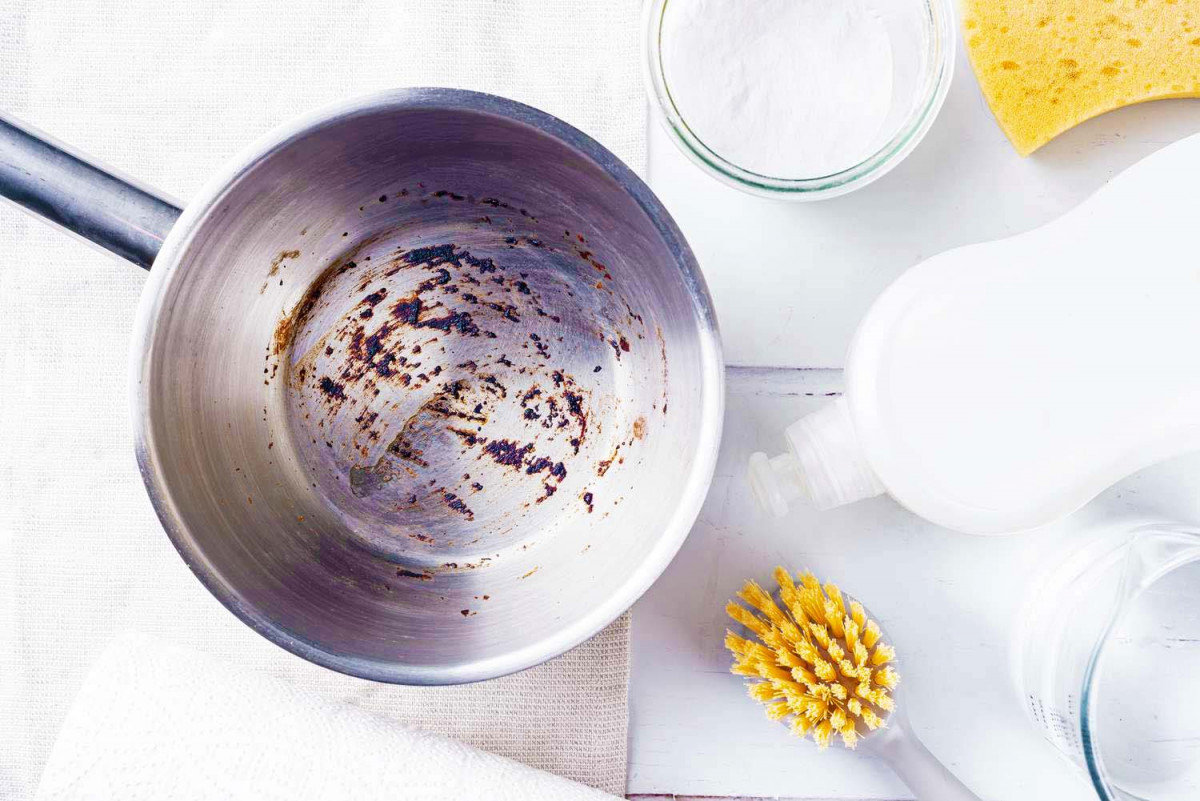
How to clean a burnt pot effectively is a skill that every home cook must eventually master in the kitchen. Culinary accidents happen even to the most experienced chefs when a moment of distraction leads to a blackened disaster. Stubborn carbon deposits can seem permanent, but they usually respond to the right chemical and physical reactions. Many people immediately reach for harsh abrasive tools that can permanently scratch and ruin high quality stainless steel surfaces. Instead, a systematic approach using household pantry staples often yields the most impressive and safest results for your cookware. Understanding the material of your pot is the first step toward selecting an appropriate cleaning agent for the job. Modern kitchen science provides several non toxic ways to dissolve burnt food without exhausting yourself with endless scrubbing. These methods protect the integrity of the metal while restoring the original shine of your favorite cooking tools. Maintaining your equipment properly ensures longevity and better heat distribution during your future cooking sessions as noted by customreceipt.com.
Effective household agents for removing stubborn carbon buildup
Restoring a damaged pot requires patience and the correct application of acidic or alkaline substances to break down carbon. Boiling a mixture of water and white vinegar is a classic technique that loosens most burnt protein residues easily. For deeper stains, adding a few spoons of baking soda creates a powerful effervescent reaction that lifts debris. It is vital to let the solution soak for at least thirty minutes before attempting any light scrubbing. If the burn is particularly thick, you might need to repeat the process several times for full success. Using a wooden spoon to scrape the bottom while the liquid is hot prevents scratching the delicate metal surface. Many professional cleaners suggest that heat is your best ally when trying to dissolve polymerized fats and sugars. Below is a comparison of the most common cleaning agents and their effectiveness on various types of kitchenware.
| Cleaning agent | Best for | Difficulty level | Effectiveness |
| Baking soda | Stainless steel | Easy | High |
| White vinegar | Aluminum pots | Medium | Medium |
| Table salt | Cast iron pans | Medium | High |
| Dishwasher tablets | Enamel coatings | Very easy | Very high |
| Lemon juice | Copper bottoms | Easy | Medium |
The choice of agent should depend on the severity of the damage and the material of the vessel. Dishwasher tablets are surprisingly effective because they contain concentrated enzymes specifically designed to break down organic food matter. Simply place a tablet in the pot with hot water and let it sit overnight for the best results. This method is particularly gentle on enameled surfaces which can be prone to chipping if treated with metal scrapers. Always rinse the pot thoroughly after using any chemical treatment to ensure no residue remains for next time. Once the surface is clean, a final polish with a soft cloth will restore the professional aesthetic of your kitchen.
Professional techniques and expert advice for delicate surfaces
When dealing with expensive copper or multi ply stainless steel, you must avoid any cleaning products containing harsh bleach. Bleach can cause pitting in the metal which creates small holes where bacteria can grow in the future. Expert chefs often recommend the salt and potato method for cast iron pots to preserve the seasoned non stick layer. The coarse texture of the salt acts as a gentle abrasive while the moisture from the potato helps lift grime. A gentle touch combined with the right chemistry is always superior to brute force when cleaning kitchen equipment. High end cookware is an investment that requires specific maintenance protocols to function at its peak performance for years.
Even the most blackened pan can be saved if you apply the right method at the right time.
Kitchen consultant Sarah Jenkins states: Most people throw away pots that are perfectly salvageable with just a bit of boiling vinegar.
- Always start with the gentlest method before moving to stronger chemical or abrasive solutions.
- Boiling water with a generous amount of salt can help lift burnt rice or pasta.
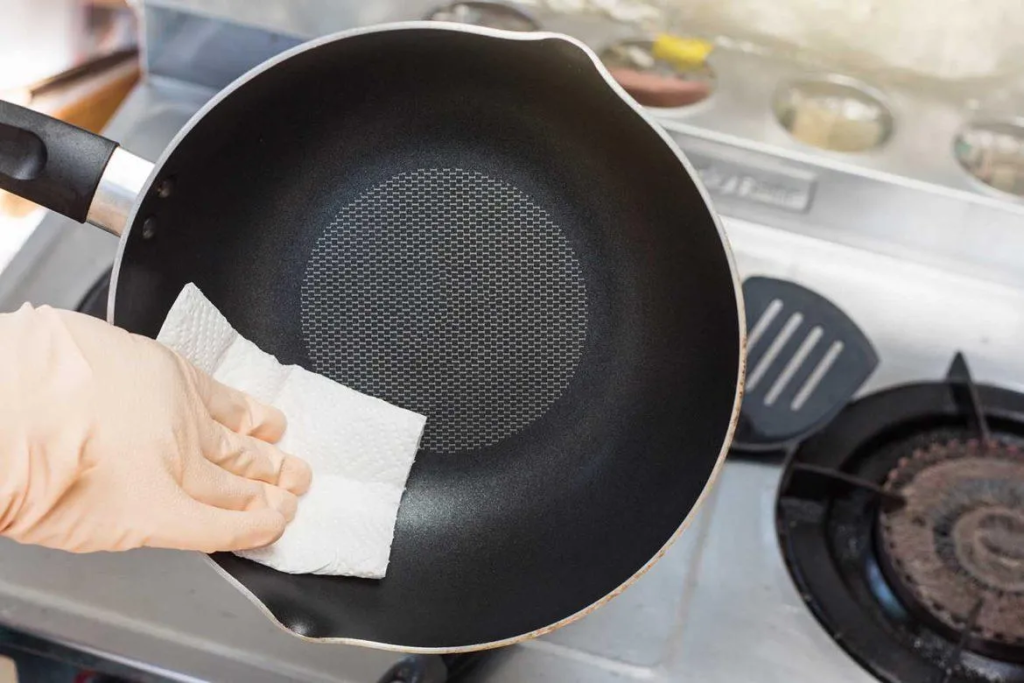
- Avoid using steel wool on non stick coatings as it will destroy the protective layer.
- For exterior stains, a paste made of baking soda and water works wonders on grease.
- Dryer sheets soaked in warm water can help release carbon from the bottom of the pan.
- Always dry your pots immediately after washing to prevent water spots and mineral buildup.
These steps ensure that your kitchenware remains in top condition regardless of how many culinary mishaps occur. Learning how to clean a burnt pot properly saves money and reduces the environmental impact of discarding metal goods. Consistency in care is the hallmark of a professional kitchen environment where tools are respected and maintained. If a stain persists, consider a professional grade stainless steel cleaner specifically formulated for high heat oxidation. Always read the manufacturer instructions before applying new chemicals to your pots to avoid accidental discoloration or damage. A clean kitchen is a safe kitchen, and well maintained pots are the foundation of great cooking.
Earlier we wrote about Farm-to-Table restaurants in the USA: why local sourcing is the top food trend of 2026