 Frank Rondel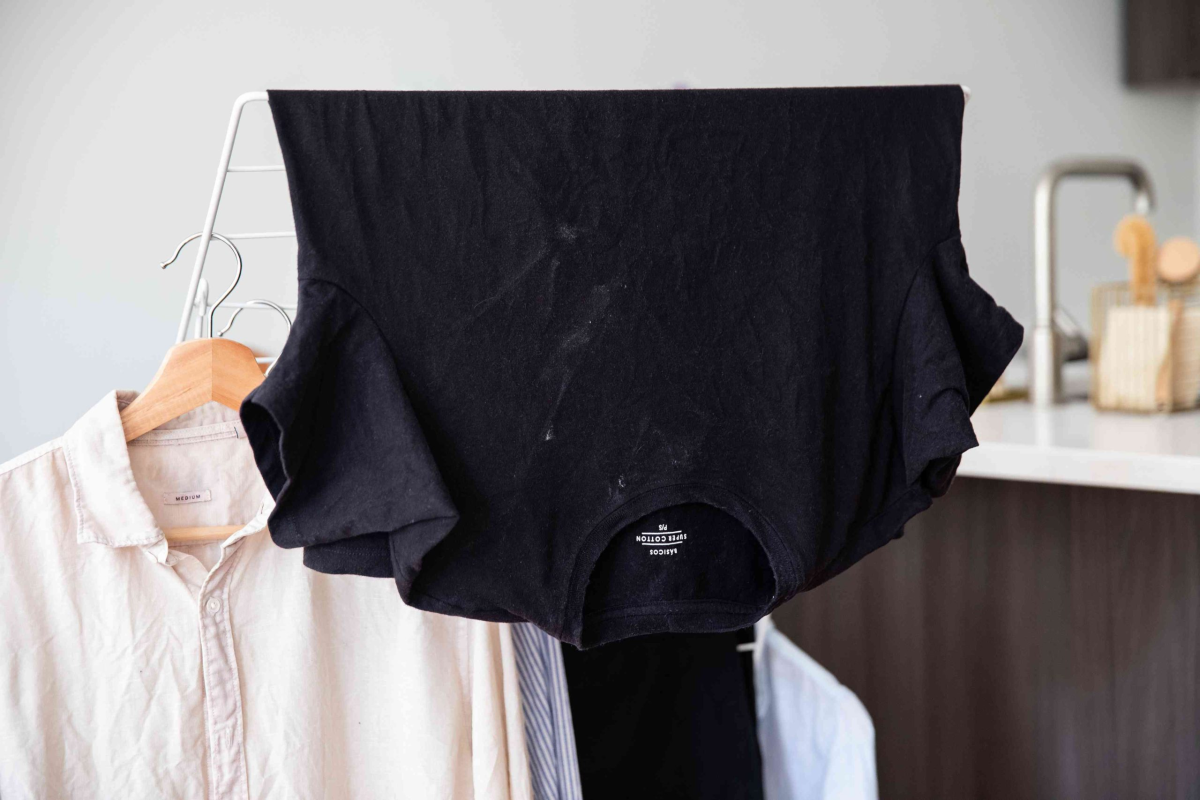
How to remove deodorant stains from black clothes is a challenge that almost every person faces during their daily routine. These annoying white marks are usually caused by a chemical reaction between aluminum salts and your sweat or fabric. Black garments are particularly susceptible to these visible streaks because the contrast makes even the smallest residue stand out. You might notice these stains immediately after dressing or after a long day of wearing your favorite dark shirt. Conventional washing often fails to penetrate the waxy buildup left by many popular antiperspirant brands on the market. Modern fabric care requires specific knowledge to avoid damaging the delicate black dyes used in high quality apparel. Fortunately, several household items can act as powerful cleaning agents without stripping the color from your expensive clothing. Many fashion experts suggest treating the area as soon as possible to prevent the stain from becoming permanent. Professional dry cleaners often use specialized solvents, but home remedies can be just as effective if applied correctly. Detailed instructions on maintaining the pristine look of your wardrobe are provided by the customreceipt.com.
Understanding the chemical nature of white marks on dark fabrics
The white residue found on black shirts is often a combination of wax, oils, and aluminum compounds. These substances are designed to stay on the skin but frequently transfer to the fibers of your clothes. Over time, heat from your body or an iron can bake these chemicals into the fabric structure. This creates a stiff, yellowish or white patch that feels rough to the touch and looks unprofessional. Understanding that this is a buildup rather than a simple spill is the first step toward effective removal. Water alone is rarely enough to dissolve the hydrophobic waxes found in most stick deodorants and sprays. You need a surfactant or a mild acid to break the bond between the stain and the cloth.
Effective household agents for removing stubborn deodorant residue:
- White vinegar: a mild acid that dissolves mineral buildup and kills bacteria causing odors.
- Baking soda: acts as a gentle abrasive and neutralizes acidic components of the stain.
- Lemon juice: contains citric acid which is excellent for breaking down waxy antiperspirant marks.
- Dish soap: specifically formulated to cut through oils and grease that hold the stain together.
- Aspirin tablets: contain salicylic acid which can help dissolve the proteins in sweat stains.
- Hydrogen peroxide: works well on white clothes but must be used very carefully on black.
- Salt: can be used as a pre-treatment scrub to lift surface level white streaks.
Using these items correctly ensures that your black clothes remain dark and do not develop faded spots. Always perform a patch test on a hidden area like an inside seam before applying any liquid. Vinegar is generally considered the safest option for black cotton and synthetic blends found in most t-shirts. If the stain is particularly old, you may need to soak the garment for several hours. Avoid using hot water during the initial treatment as it can set the aluminum salts further. Cold water helps to lift the surface particles without bonding them to the polyester or wool fibers.
Professional methods and industrial cleaning solutions
When home remedies are not enough, you might consider professional grade laundry products or specific cleaning techniques. Specialized stain removers are available at most supermarkets for approximately five to ten dollars per bottle. These products contain enzymes that specifically target the proteins and fats found in body oils and deodorants. Using a soft bristled brush can help work the solution into the weave of the black fabric. It is important to brush gently to avoid pilling or damaging the surface of the garment. Many high end fashion houses recommend oxygen based cleaners that are labeled as color safe for dark items.
Common cleaning methods and their expected results on dark garments:
| Method name | Main active ingredient | Best for fabric type |
| Vinegar soak | Acetic acid | Cotton and linen |
| Dish soap scrub | Surfactants | Synthetic blends |
| Baking soda paste | Sodium bicarbonate | Heavy duty fabrics |
| Steaming | High temperature vapor | Silk and delicate wool |
| Enzyme cleaner | Protease and lipase | Organic stains |
Steam cleaning can be an effective way to loosen the wax without using harsh chemicals on delicate items. However, you must be careful not to hold the steamer too close to prevent heat damage. For leather or suede items with deodorant marks, it is best to consult a professional leather cleaner. The porous nature of these materials makes home treatment risky and could lead to permanent discoloration. Most dry cleaning services charge between fifteen and thirty dollars for a professional stain removal treatment. This investment is often worth it for expensive designer pieces or sentimental clothing items.
Preventive measures and daily habits to protect your wardrobe
Preventing the appearance of white marks is much easier than removing them once they have set in. One of the simplest tricks is to wait at least five minutes after applying deodorant before getting dressed. This allows the product to dry completely on your skin so it does not rub off. Choosing a clear gel or a roll-on deodorant can also significantly reduce the risk of white streaks. If you are in a rush, use a hair dryer on a cool setting to speed up the drying process. Wearing an undershirt can provide an extra layer of protection for your more expensive outer layers.
Practical tips to avoid future deodorant stains on black clothing:
- Switch to aluminum free deodorants: these lack the salts that cause the most stubborn marks.
- Use a damp cloth: if you notice a mark immediately, a wet cloth can often rub it away.
- Turn clothes inside out: when putting on a shirt, this keeps the marks on the inside.
- Apply product sparingly: using too much deodorant increases the likelihood of transfer to your clothes.
- Wash soon after wearing: do not let stained clothes sit in the hamper for several days.
- Avoid the dryer: air dry your black clothes if you suspect a stain remains after washing.
If you follow these daily habits, you will rarely have to deal with deep set stains again. The friction between your body and the fabric is the main cause of the transfer during movement. Choosing looser clothing can also help reduce the amount of product that ends up on the armpit area. Many people find that switching brands can solve the problem entirely as different formulas react differently. Keeping a small sponge or a piece of foam in your bag can help with quick touch ups. These sponges are designed to grab the white powder from the surface without needing any water at all.
Earlier we wrote about what is the Unexpected Librarian style and how can you wear it to the office today?