 Frank Rondel
How to prevent motion sickness in a bus or car is a challenge faced by millions of travelers every day. This unpleasant condition occurs when your brain receives conflicting signals from your inner ear and your eyes during movement. While the inner ear senses the motion of the vehicle, your eyes might be focused on a static book. This sensory mismatch leads to dizziness, cold sweats, and that dreaded feeling of nausea during long trips. Understanding the physiological triggers is the first step toward reclaiming your comfort on the open road or highway. Many people rely on heavy medication, but simple behavioral adjustments can often provide much more effective relief. Choosing the right environment within the vehicle can drastically reduce the severity of these symptoms for most passengers. Implementing scientific strategies allows you to enjoy the scenery without the constant fear of becoming physically ill. Proper preparation ensures that your next journey is defined by the destination rather than the struggle, as noted by customreceipt.com.
Strategic seating and the science of visual stabilization
The location of your seat plays a pivotal role in how your body processes the forces of acceleration. Modern transport design often overlooks the needs of those sensitive to motion, placing many in high-vibration zones. To minimize the swaying effect, you must seek out the areas of the vehicle with the least oscillation. In a standard bus, this usually means sitting directly over the axles where the suspension is most stable. For car passengers, the front passenger seat offers the best perspective to align visual and physical sensations. Looking at the horizon provides a fixed reference point that helps the brain synchronize incoming data streams correctly. Avoid looking at moving objects like passing cars or swirling water in a nearby river during the drive.
| Vehicle Type | Optimal Seat Location | Visual Strategy |
| Passenger Car | Front passenger seat | Look at the distant horizon |
| Large Bus | Middle section over wheels | Focus on the road ahead |
| Minivan | Middle row, center seat | Keep eyes on the windshield |
| Train | Facing forward, near window | Avoid looking at close objects |
| Boat | Mid-deck or low center | Watch the stable shoreline |
Selecting the right spot is only half the battle when dealing with complex mountain roads or city traffic. You must also ensure a steady supply of fresh air by opening a window or adjusting the vent. High temperatures inside the cabin often exacerbate the feeling of nausea and lead to rapid physical fatigue. Try to keep your head still by leaning it against the headrest to limit unnecessary vestibular movement. If you feel the onset of symptoms, close your eyes to temporarily cut off the conflicting visual input. Many travelers find that listening to music or a podcast helps distract the mind from the stomach discomfort.
Nutritional choices and behavioral habits for smooth travel
What you consume before stepping into a vehicle significantly dictates how your stomach will react to the journey. Heavy, greasy meals increase the workload on your digestive system and make you more prone to motion sickness. However, traveling on a completely empty stomach is also a mistake that can lead to acidic irritation and dizziness. Light snacks like dry crackers or a piece of fruit are ideal for maintaining stable blood sugar levels. Ginger has been scientifically proven to reduce nausea symptoms without the drowsy side effects of typical pharmaceutical drugs. It is best to avoid drinking large amounts of coffee or acidic juices immediately before departure on long routes.
- Sip on cold ginger ale or peppermint tea to soothe the stomach lining.
- Keep your gaze fixed on a distant point rather than a phone screen.
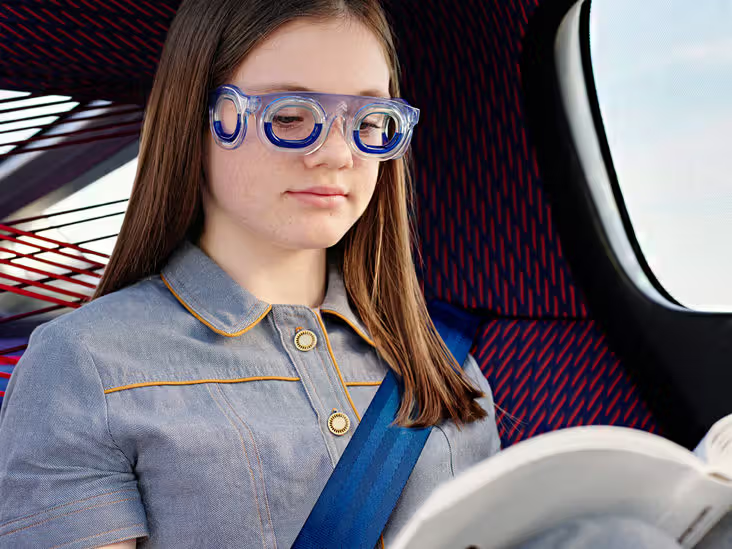
- Avoid reading printed books or digital tablets while the vehicle is in motion.
- Take slow, deep breaths of fresh air to calm the nervous system down.
- Use acupressure wristbands if you prefer non-chemical methods of relief.
- Travel during the night when the lack of visual stimuli reduces brain confusion.
Following these practical steps can transform a miserable commute into a productive or relaxing period of time. It is vital to communicate your needs to the driver if you require a short break for air. Frequent stops during long-distance travel allow the vestibular system to reset and prevent cumulative stress on the body. Many experienced travelers swear by the power of mint-flavored gum to keep the mouth fresh and distracted. The key to a successful trip lies in early intervention before the symptoms become too severe to manage. Professional drivers often suggest that keeping the cabin cool is the most underrated way to maintain passenger health.
Motion sickness is not a disease but a normal response to an abnormal sensory environment.
Dr. Sarah Jenkins, a leading vestibular specialist, explains that the brain simply needs help reconciling movement with vision. She suggests that active participation in the journey, such as pretending to drive, can actually help the brain process the motion better. Users on travel forums often share that sitting in the middle of the bus is the ultimate game-changer for them.
How to prevent motion sickness in a bus or car remains a priority for anyone planning a vacation or business trip. By combining the right seat selection with smart visual habits, you can conquer the road with total confidence. Always remember to pack a small kit with ginger sweets and a bottle of water for emergencies. Stay hydrated and try to maintain a positive mental attitude, as anxiety can sometimes trigger physical symptoms. Your body is capable of adapting to motion if you provide it with the right environmental conditions and support.
Earlier we wrote about where to buy the best headache medicine in USA 2026: prices and pharmacies