 Frank Rondel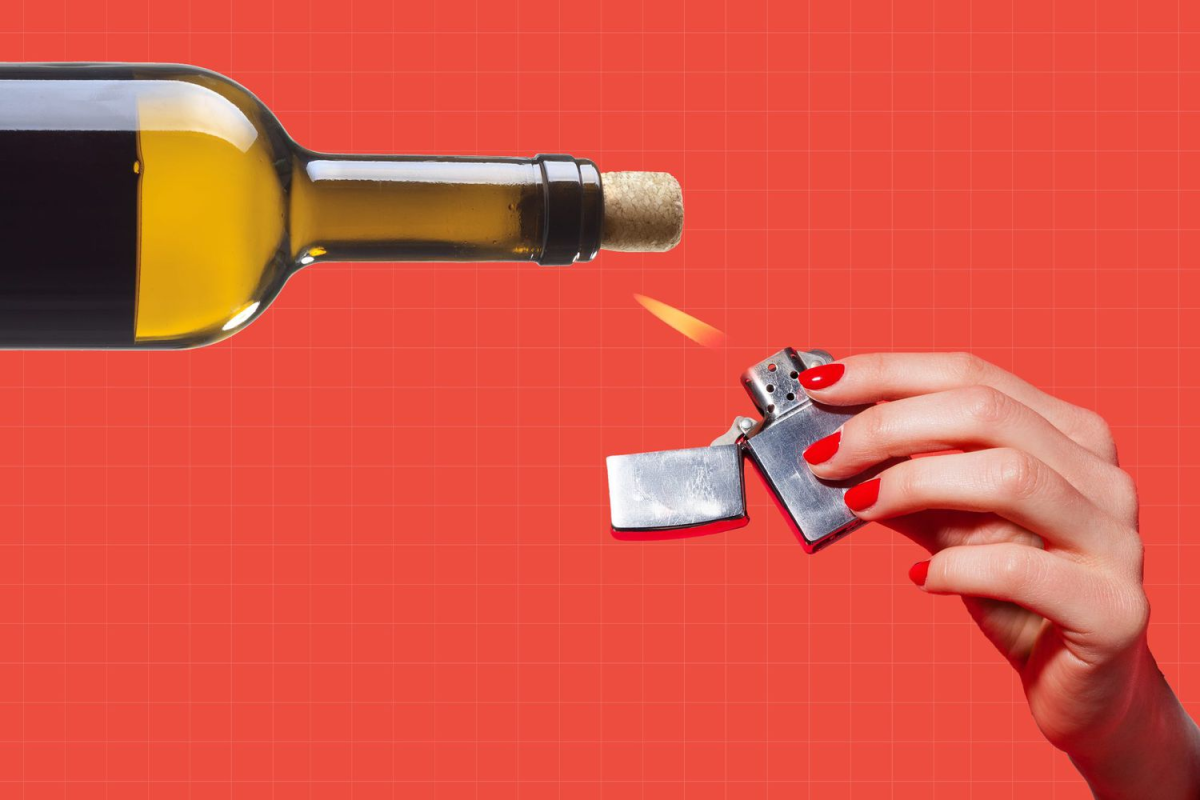
How to open wine without a corkscrew is a common dilemma that can occur during picnics or home celebrations. This unexpected situation requires a creative approach and a basic understanding of physics to avoid breaking the bottle. Many people feel frustrated when they realize the essential tool is missing right before serving a vintage red. However, several household items can serve as effective substitutes for a traditional waiter’s friend or winged lever. You can use anything from a simple house key to a sturdy leather shoe to remove the plug. Safety is paramount when applying pressure to glass containers to prevent injuries or spilling the precious liquid. Most of these methods rely on either mechanical leverage or the creation of internal pressure within the neck. Mastery of these techniques ensures that your evening remains enjoyable despite the lack of professional bar equipment. Learning these emergency life hacks provides a sense of resourcefulness that every host should possess, as noted by the customreceipt.com.
Mechanical methods using common household tools and hardware
The most reliable ways to extract a cork involve mimicking the screw and pull action of a corkscrew. Using a long screw and a pair of pliers is perhaps the most professional looking alternative available at home. You simply twist a clean screw into the center of the cork until about an inch remains visible. Then, use the back of a hammer or pliers to pull the screw and cork straight up. This method minimizes the risk of crumbling the material into the wine compared to other aggressive tactics. Another popular option involves using a serrated knife with a narrow blade to grip the sides. By inserting the blade and rotating slowly, you can gradually lift the cork out of the glass.
Essential tools found in most homes that can help with opening a bottle:
- A long steel screw and a hammer: creates a temporary handle to pull the cork out easily.
- A standard house key: inserted at an angle to provide enough grip for rotation and lifting.
- A set of clean pliers: useful for gripping the top of a protruding cork or hardware.
- A wire coat hanger: can be bent into a small hook to pull from underneath.
- A screwdriver: can be used to safely push the cork down into the liquid.
- A bicycle pump: creates air pressure to force the cork out of the neck.
- A thick towel: essential for protection when using the wall hitting method or shoes.
These mechanical solutions are generally the safest because they allow for controlled movement during the extraction process. If you decide to use a key, ensure it is made of strong metal to avoid bending it. Always apply pressure slowly to allow the air to move around the cork as it rises. Many people prefer the screw method because it leaves the wine perfectly clean and ready for pouring. If the cork is very old and dry, it might break regardless of the tool used. In such cases, having a coffee filter or fine sieve nearby is a very good idea.
Using kinetic energy and pressure to remove the cork
When tools are completely unavailable, you can turn to the laws of physics to solve your problem. The shoe method is a classic technique that uses kinetic energy to move the cork forward. You place the bottom of the wine bottle into the heel of a sturdy leather shoe. Then, you rhythmically tap the heel against a flat vertical surface like a brick wall or tree. The liquid inside acts as a piston, pushing the cork out with every strike against the hard surface. This method requires patience and a gentle touch to avoid shattering the glass base of the bottle.
Comparison of energy based methods and their difficulty levels:
| Method name | Required items | Difficulty level | Risk of breakage |
| Wall tapping | Shoe and solid wall | Medium | High if too much force |
| Pushing down | Blunt object | Easy | Very low |
| Heat expansion | Blowtorch or lighter | Hard | Extreme due to thermal shock |
| Air pressure | Bike pump with needle | Medium | Low if done slowly |
The wall tapping technique is often seen as a party trick but requires significant caution to be successful. You must stop as soon as the cork is about halfway out to finish by hand. Pushing the cork into the bottle is the simplest way but makes pouring slightly more difficult. It is best used for wines that will be consumed immediately by the entire group of guests. Avoid using heat or lighters unless you are an expert, as glass can explode when heated unevenly. These pressure based methods are best kept as a last resort when no hardware is available.
Safety precautions and professional advice for wine lovers
Opening a bottle with improvised tools always carries a small risk of glass breakage or minor cuts. You should always wrap the bottle in a thick towel or cloth before attempting any forceful methods. This provides a better grip and protects your hands if the glass fails under the applied pressure. Never use excessive force or hit the bottle against a sharp corner or uneven surface during the process. If you hear a cracking sound, stop immediately and inspect the neck for any tiny glass shards. It is better to lose a bottle of wine than to risk a serious injury.
Steps to ensure a safe experience when opening wine without proper tools:
- Wrap the entire bottle in a kitchen towel to contain any potential glass fragments.
- Work on a stable surface that will not slip or move during your attempts.
- Keep your face away from the cork in case it pops out unexpectedly.
- Inspect the wine for cork debris or glass before serving it to your guests.
- Use a slow and steady motion rather than quick or jerky movements with tools.
- Have a backup plan such as a decanter to filter the wine if needed.
Following these safety guidelines will help you maintain the festive atmosphere without any unwanted accidents or injuries. If the cork crumbles and falls into the wine, simply pour the liquid through a clean cloth. This will remove all the small pieces and leave the taste of the wine unaffected for everyone. Remember that expensive aged wines have very fragile corks that require extra care and gentleness during extraction. Once the bottle is open, let it breathe for a few minutes to recover from the agitation. Enjoy your drink responsibly and share your new skills with friends who might face similar issues.
Earlier we wrote that SEPTA Halts All Bus and Regional Rail Services in Philadelphia as Winter Storm Makes Roads Hazardous