 Frank Rondel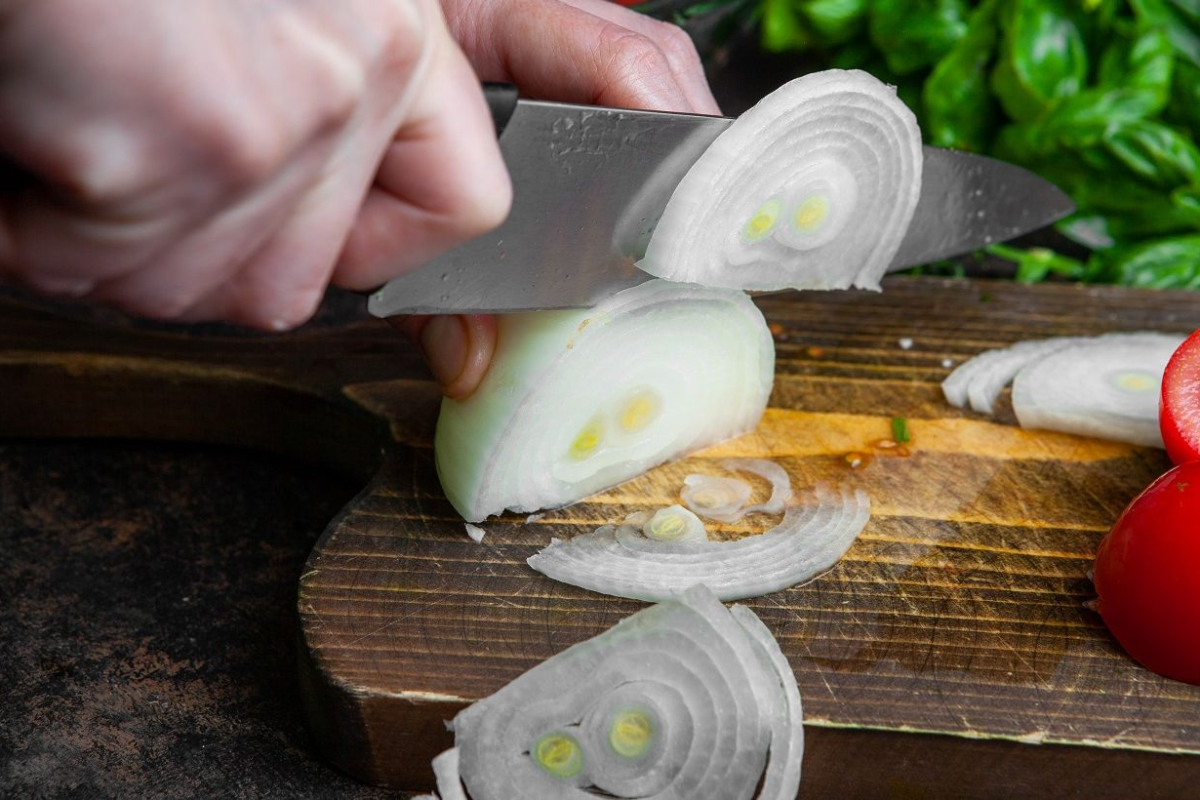
How to cut onions without crying is a challenge that almost every home cook faces during meal preparation today. This common culinary problem stems from a complex chemical reaction involving enzymes and sulfur compounds in the vegetable. When the cell walls are damaged by a knife, a volatile gas called syn-propanethial-S-oxide is released immediately. This gas reacts with the moisture in your eyes to create a mild form of sulfuric acid. The body then triggers a tear response to wash away the irritating substance and protect your vision. Understanding the science behind this process is the first step toward finding a truly effective and lasting solution. Many traditional myths offer little relief, while professional chefs rely on proven techniques to maintain their efficiency. Specialized tools and simple environmental adjustments can drastically reduce the amount of irritating gas reaching your sensitive eyes. Finding the right balance between speed and precision is essential for anyone spending time in a kitchen, as noted by the customreceipt.com.
The science of sulfur and enzymatic reactions in vegetables
The biology of the onion is designed to deter predators through the release of pungent and irritating chemicals. These compounds are concentrated most heavily at the root end of the bulb during the growing process. When you slice through the layers, you are effectively initiating a chemical defense mechanism intended for hungry insects. The sharpness of your blade determines how many cells are crushed rather than cleanly and precisely sliced. Dull knives cause significantly more damage, leading to a much higher concentration of irritating gas in the air. Professional cooks always prioritize the maintenance of their cutting tools to ensure a cleaner and safer kitchen experience.
Effective methods to minimize the release of irritating gases:
- Use a high-carbon steel chef knife that has been professionally sharpened to a fine edge.
- Chill the onions in the refrigerator for at least thirty minutes before you begin slicing them.
- Leave the root end intact as long as possible to keep the sulfur concentrated.
- Work under a kitchen exhaust fan or near a window with a steady breeze.
- Wear specialized kitchen goggles to create a physical barrier between the gas and your eyes.
- Dip the onion in cold water periodically to wash away the volatile enzymes on the surface.
- Light a candle or a gas burner nearby to draw the rising gases away from you.
These practical steps are used daily in high-volume restaurant kitchens where speed and comfort are both vital requirements. Cold temperatures slow down the chemical reactions, making the enzymes much less active during the actual cutting process. Most people find that the combination of chilling and a sharp blade solves ninety percent of the problem. If you still experience discomfort, the issue might be related to the specific variety of onion you chose. Sweet onions generally contain less sulfur and are much easier on the eyes than white or red varieties. Always ensure your workspace is well-ventilated to prevent the gas from lingering in a concentrated cloud.
Professional techniques and equipment for tearless preparation
Professional chefs follow a specific sequence of movements to minimize the time the interior of the onion is exposed. By mastering the proper grip and slicing motion, you can finish the task before the gas reaches you. Specialized equipment can also provide a technological solution to this age-old problem for those who cook very frequently. From manual pull-string choppers to heavy-duty electric processors, the options are diverse and accessible for every budget and skill level.
Comparison of common tools and their effectiveness in preventing tears:
| Tool type | Effectiveness | Primary benefit |
| Sharp chef knife | high | gives you total control over the size and shape of the pieces |
| Mandoline slicer | medium | creates very thin and uniform slices in a short amount of time |
| Manual food chopper | very high | contains the gases within a sealed plastic or glass container |
| Electric food processor | high | extremely fast for large batches but can sometimes overprocess |
| Kitchen goggles | maximum | provides a complete airtight seal for the most sensitive eyes |
Choosing the right tool depends on the volume of food you are preparing for your family or guests. For a single onion, a well-maintained knife is usually the fastest and most practical choice for any cook. If you are preparing soup for a large party, a manual chopper is a much better investment. These devices keep the irritating sulfur compounds trapped inside the bowl until you are ready to cook. Most high-quality manual choppers cost between fifteen and thirty dollars at major home goods retailers. Always wash your tools with cold water immediately after use to prevent the pungent smell from sticking.

Maintaining your kitchen environment for better results
The layout and airflow of your kitchen can either help or hinder your efforts to cook without pain. Gases naturally rise and spread toward the nearest source of moisture, which is usually your eyes or nose. Positioning yourself correctly in relation to fans and windows can change the entire experience of food preparation. Many people overlook the importance of a clean and organized workstation when dealing with aromatic or irritating ingredients. A cluttered space slows you down and increases the time you spend leaning over the cutting board directly.
Additional lifestyle hacks for a tear-free kitchen:
- Breathe through your mouth and stick your tongue out slightly to attract the gas.
- Keep a piece of bread in your mouth to absorb some of the rising sulfur compounds.
- Rub a small amount of lemon juice on the blade to neutralize the onion enzymes.
- Use a wooden cutting board which tends to absorb less liquid than some plastic alternatives.
- Stand as far back from the cutting board as your arm length comfortably allows you.
- Avoid wearing contact lenses as they can trap the acidic gas against your cornea.
These small adjustments can make a significant difference in your comfort levels during long sessions of meal prep. Breathing through the mouth is a particularly popular trick among line cooks because it diverts the gas. While some of these hacks may seem unusual, they are based on simple principles of physics and chemistry. Experiment with different combinations to find the specific routine that works best for your unique sensitivity levels. Remember that the goal is to reduce exposure time and physical contact with the volatile oils. Keeping your hands away from your face after touching onions is the most basic rule of all.
Earlier we wrote about can you eat yogurt if it expired yesterday and how to determine if the product is safe