 Frank Rondel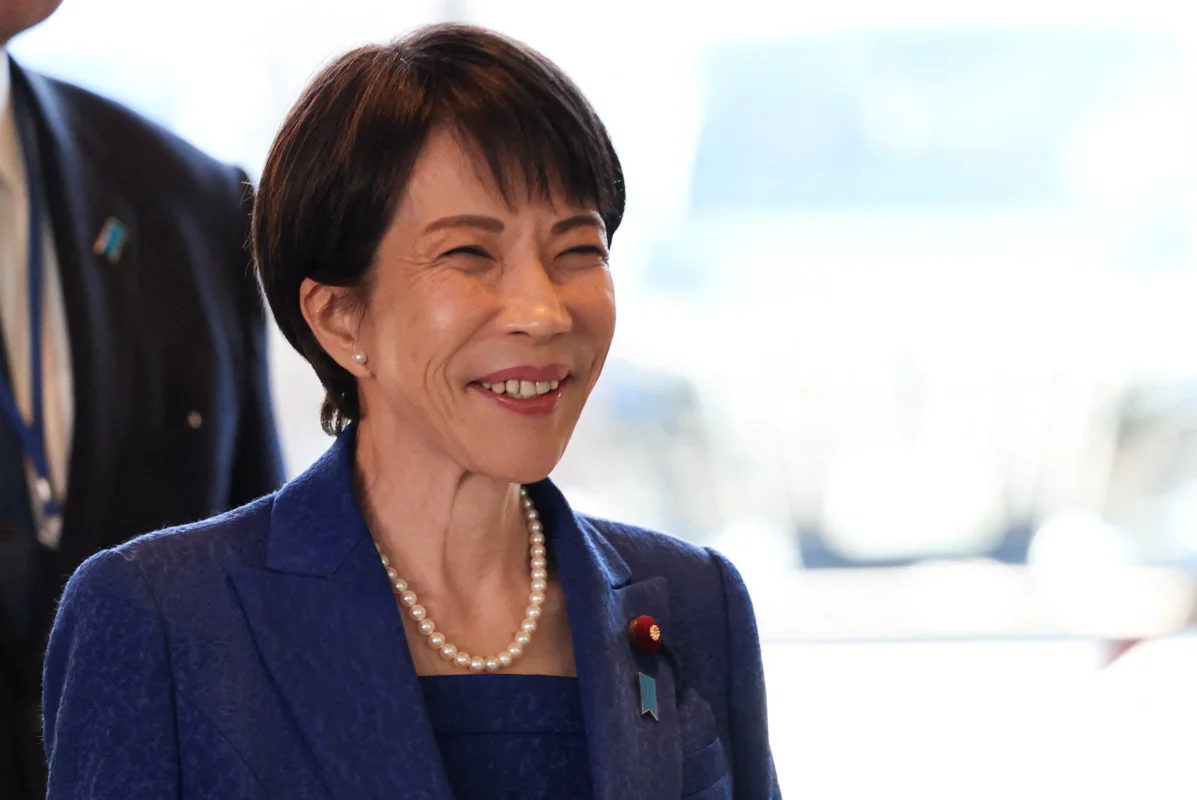
Japan’s ruling conservatives are on track to significantly expand their control over the lower house following Sunday’s elections, with exit polls signaling a strong endorsement of Prime Minister Sanae Takaichi, reports customreceipt.com, via original press release NHK. According to the public broadcaster’s exit survey, the Liberal Democratic Party (LDP) is projected to win between 274 and 328 of the 465 seats, comfortably exceeding the 233 seats needed for a simple majority. With the addition of seats from its junior coalition partner, the Japan Innovation Party, the combined total could reach between 302 and 366 seats.
The snap elections, called by Takaichi shortly after becoming Japan’s first female prime minister in autumn 2025, were held on a frigid day with heavy snowfall in many regions. Takaichi had promised to resign if her coalition failed to secure at least a majority. The strong results indicate early public support for her leadership.
Voters faced challenging conditions, with snow depth exceeding two meters in some areas. Disruptions included halted train services across dozens of lines and the cancellation of 230 domestic flights. Despite the severe weather, many citizens braved the cold to cast their ballots. At 21.6% turnout with four hours remaining before the polls closed, participation was slightly below the same point in the 2024 election, according to the Nikkei newspaper.
Takaichi’s campaign focused on a $135 billion stimulus package designed to ease the cost-of-living crisis, including a proposal to suspend the 8% consumption tax on food for two years, a measure expected to reduce annual revenue by ¥5 trillion ($30 billion). While the plan has resonated with voters, it has also generated concern in financial markets due to Japan’s debt exceeding twice its GDP, the largest among advanced economies.
Diplomatically, Takaichi has already faced high-stakes challenges, including meetings with Donald Trump and Xi Jinping last year. Tensions with Beijing escalated in November after she suggested that Japan could take military action if China attempted to invade Taiwan. The remarks prompted China to advise its citizens against visiting or studying in Japan, disrupting cultural exchanges and ending decades of “panda diplomacy.”
Analysts note that the electoral victory provides Takaichi with political leverage to pursue her domestic and foreign agendas. Margarita Estevez-Abe, a political science professor at Syracuse University, commented that the win allows Takaichi to focus on repairing Sino-Japanese relations without immediate electoral pressure until 2028. Financial experts, including Seiji Inada of FGS Global, warned that the implementation of the consumption tax suspension could provoke volatility in currency markets.
The main opposition, the newly formed Centrist Reform Alliance, is expected to suffer substantial losses, raising questions about its future viability. Historically dominant, the LDP has often benefited from weak and fragmented opposition, and this election is no exception. If the Takaichi-led coalition secures an absolute majority of 261 seats, it will gain control over parliamentary committees, facilitating the passage of budgets and other legislation. Achieving a super-majority of 310 seats would enable it to override the upper house, where the LDP-led alliance lost its majority last July.
Earlier we wrote that TrumpRx Launches With 43 Brand-Name Drugs, Promising Cash Discounts for Americans