 Frank Rondel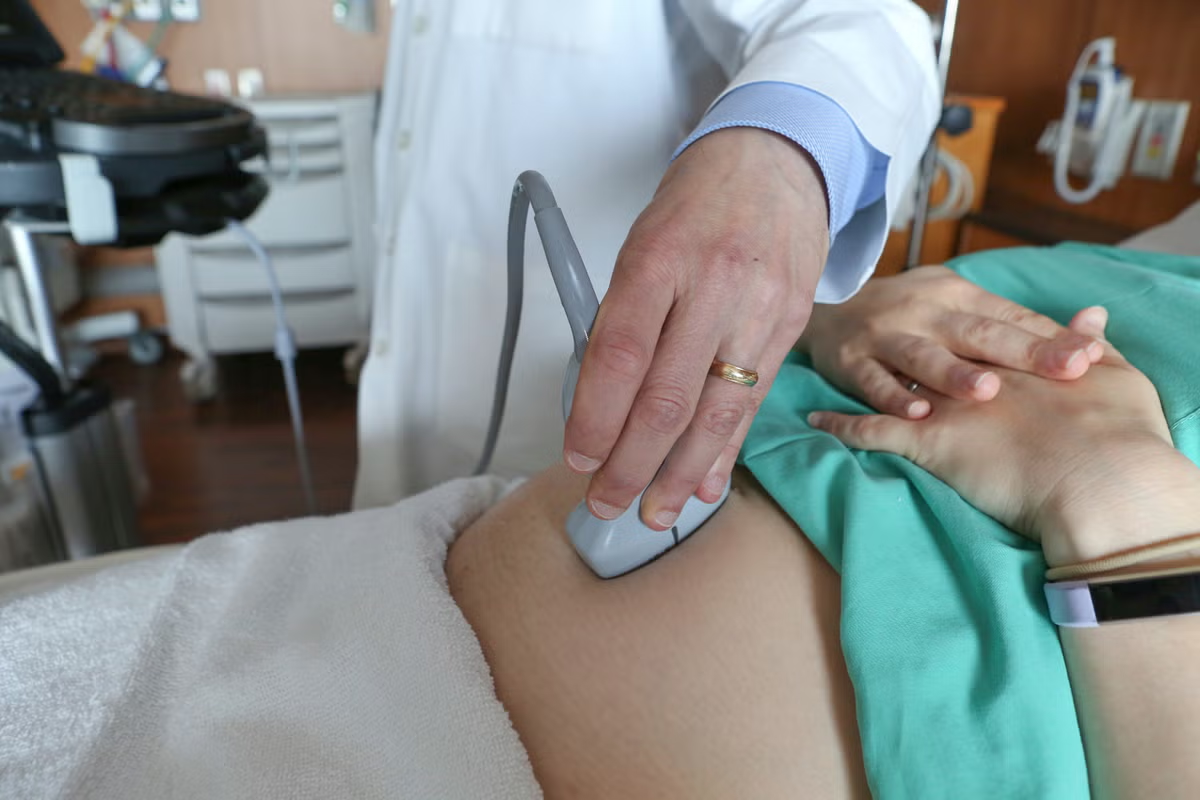
Early prenatal care, a critical factor for healthy pregnancies and positive maternal outcomes, is declining across the United States, customreceipt.com reports, citing data from ABC. According to the newly released figures, the proportion of births to women who began prenatal care in the first trimester fell from 78.3% in 2021 to 75.5% in 2024, while those initiating care later in pregnancy or receiving no care at all have been increasing.
The share of women beginning prenatal care in the second trimester rose from 15.4% to 17.3%, and those starting in the third trimester or receiving no care at all increased from 6.3% to 7.3%. Dr. Clayton Alfonso, an OB-GYN at Duke University in North Carolina, noted that early engagement with prenatal services is closely tied to better maternal and fetal health outcomes. He explained that delaying medical attention during pregnancy can result in missed opportunities for interventions that optimize both maternal and fetal well-being.
The trend of delayed prenatal care affected nearly all racial and ethnic groups, with minority mothers experiencing a sharper decline. For Black mothers, first-trimester care decreased from 69.7% in 2021 to 65.1% in 2024, a trend that correlates with higher maternal mortality rates in these communities. Michelle Osterman, the lead author of the CDC report, said that the decline marks a reversal of progress made between 2016 and 2021, when the timing of prenatal care initiation in the U.S. had been improving steadily.
Early prenatal visits provide critical opportunities to monitor blood pressure, conduct screenings, perform blood tests and ultrasounds, and offer essential health guidance to expectant mothers. However, the CDC report does not specify reasons for the decline. Healthcare professionals have cited the emergence of maternity care deserts—areas without birthing facilities or obstetric providers—as a major concern. Dr. Grace Ferguson, an OB-GYN in Pittsburgh, said that many hospitals have closed labor and delivery units, causing prenatal care providers to relocate or leave practice, reducing access for women in affected regions.
A March of Dimes report from 2024 found that more than 35% of U.S. counties are considered maternity care deserts, leaving women in these areas with limited or delayed access to prenatal services. Ferguson also noted that post-Roe v. Wade abortion restrictions may discourage some obstetricians from practicing in certain states, further limiting access to care. Dr. Alfonso added that logistical challenges, including long travel distances to clinics and difficulties finding practices that accept Medicaid, particularly in rural areas, may also contribute to delays in prenatal care.
Healthcare professionals warn that the continued decline in early prenatal care could lead to worsening maternal and fetal health outcomes. “If this trend continues,” Dr. Alfonso said, “I worry about kind of what that would mean for morbidity and mortality for our moms.”
Earlier we wrote that Dylan Mingo Commits to North Carolina: Five-Star 2026 Guard Chooses UNC Over Baylor, Penn State