 Frank Rondel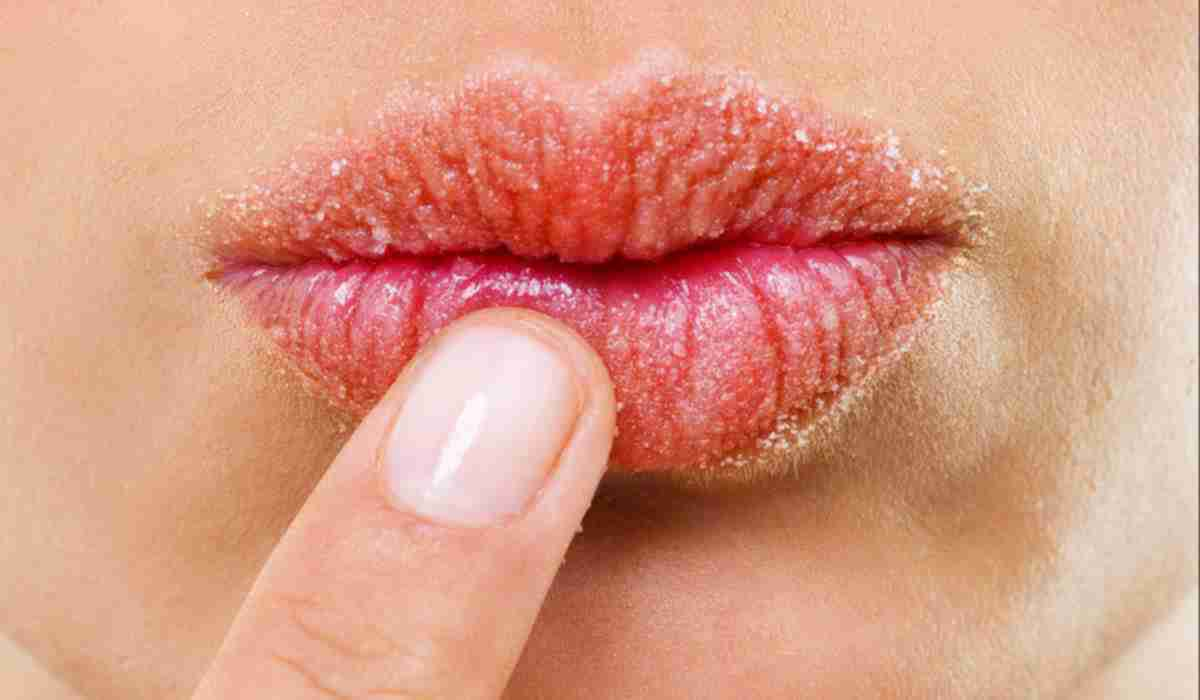
How to save chapped lips is a question that millions of people face during the harsh winter months. This common problem often stems from a lack of proper hydration and protective barriers against the elements. Since lips do not have sebaceous glands, they lose moisture much faster than the rest of your face. Cold winds and dry indoor heating create a perfect storm for painful micro-cracks and rough textures. Many individuals make the situation worse by unconsciously licking their lips or using harsh long-wear lipsticks. The accumulation of dead skin cells happens rapidly due to the delicate structure of this specific area. To address this, a natural approach using simple pantry staples provides an effective and gentle solution for everyone. Incorporating a small care ritual into your weekly routine can restore softness and prevent future damage significantly. Detailed professional advice on maintaining healthy skin throughout the season is provided by the Baltimore Chronicle Baltimore Chronicle.
The biological reasons behind lip dryness in cold weather
Lips are uniquely vulnerable because they lack the natural oil-producing glands found elsewhere on the human body. When temperatures drop, the thin skin on your mouth evaporates moisture at an alarming rate compared to summer. Environmental factors like wind chill and low humidity in heated rooms pull water directly from the epidermis. This leads to the characteristic tightness and peeling that we recognize as seasonal chapping or irritation. Chronic dryness can eventually lead to inflammation if the protective skin barrier is not reinforced regularly. Understanding these mechanisms is the first step toward choosing the right ingredients for a successful home treatment.
Essential factors that contribute to damaged lips include:
- Frequent exposure to sub-zero temperatures without a protective balm or scarf.
- Dehydration of the body which manifests first on the most sensitive skin areas.
- Allergic reactions to artificial fragrances or dyes found in low-quality cosmetic products.
- Vitamin deficiencies, particularly B-complex vitamins and iron, which affect skin regeneration.
- Habits such as biting or picking at dry flakes which creates open wounds.
- Sleeping in rooms with very low humidity levels without using a specialized humidifier.
- Frequent consumption of spicy or acidic foods that can irritate already sensitive tissues.
Regular exfoliation is necessary to remove the barrier of dead cells so that moisturizers can penetrate. Without removing the rough surface, even the most expensive balms will simply sit on top of the skin. A gentle massage also stimulates local blood circulation, which naturally enhances the color and plumpness of the lips. However, it is vital to use ingredients that heal while they exfoliate to avoid further trauma. Nature provides the perfect balance of friction and hydration through the combination of sugar and honey.
The powerful synergy of sugar and honey in skincare
The two-ingredient scrub consists of sugar and honey, which work together to heal the skin on multiple levels. Sugar serves as a mechanical exfoliant because its small crystals are the perfect size for delicate facial areas. These crystals dissolve slowly as you massage, ensuring that you do not over-scrub or cause microscopic tears. Honey complements this by acting as a powerful humectant, meaning it draws moisture from the air into the skin. It also possesses natural antibacterial and anti-inflammatory properties that help heal existing cracks and prevent infections.
Comparison of ingredient benefits for lip health:
| Ingredient | Primary Function | Scientific Benefit |
| Natural Sugar | Mechanical Exfoliant | Removes dead cells and improves local blood micro-circulation. |
| Liquid Honey | Humectant and Healer | Provides deep hydration and creates a protective antimicrobial barrier. |
| Olive Oil | Emollient | Softens the skin and provides essential fatty acids for repair. |
| Coconut Oil | Barrier Protection | Offers a thick layer that prevents moisture loss in the wind. |
Using liquid honey is highly recommended as it blends more easily with the granular texture of the sugar. This mixture creates a paste that stays on the lips during the application process without dripping. The result of this treatment is immediate smoothness and a healthy, rejuvenated appearance that lasts for days. Unlike commercial scrubs, this homemade version contains no preservatives or artificial flavors that might cause an allergic reaction. It is a cost-effective and safe way to maintain a professional level of skincare at home.
Step-by-step guide to preparation and application
To achieve the best results, you must prepare the mixture fresh and apply it using the correct technique. Start by mixing exactly one teaspoon of sugar with one teaspoon of liquid honey in a small bowl. Stir the components until they form a uniform, slightly grainy paste that resembles thick wet sand. Apply a small amount to clean lips and massage gently in circular motions for thirty seconds. Use very light pressure to ensure the sugar does its job without irritating the fresh skin underneath. Wash the mixture off with lukewarm water or a soft damp cloth to reveal the new surface.
Important tips for maintaining the effect after the procedure:
- Always apply a thick layer of lip balm or natural oil immediately after scrubbing.
- Limit the exfoliation process to only once or twice a week to avoid thinning.
- Avoid licking your lips as saliva contains enzymes that further dry out the skin.
- Drink at least two liters of water daily to hydrate the skin from the inside.
- Use a balm with an SPF factor even in winter to protect against UV rays.
- Choose products containing beeswax or shea butter for the most durable protection.
Following these professional recommendations will ensure that your lips remain healthy even in the most extreme weather. Consistency is the key to preventing the return of roughness and painful cracks during the winter season. If you notice that your lips do not heal despite these efforts, consult a dermatologist for professional advice. Sometimes chronic chapping can be a sign of underlying health issues that require medical intervention. Most people, however, find that this simple home remedy is more than enough to maintain a perfect smile.
Earlier we wrote about trendy spring jackets 2026: top styles for every wardrobe from leather to oversized parkas