 Frank Rondel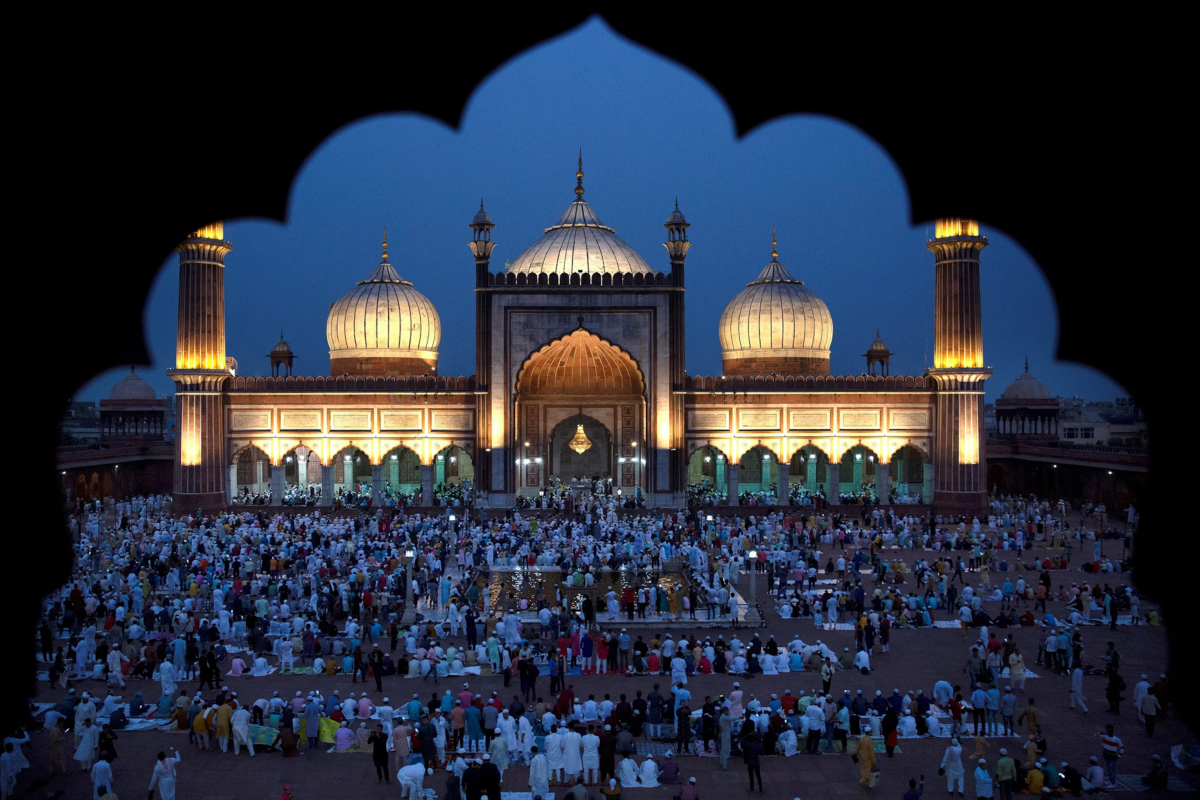
When is Eid al-Fitr 2026 is the question millions of Muslims worldwide have been asking as Ramadan concludes. The holiday marks the successful completion of a month dedicated to fasting, prayer, and deep spiritual reflection. This year, the uncertainty surrounding the moon sighting has finally been resolved by official authorities in the Middle East. Saudi Arabian moon spotters conducted their observations on Wednesday evening to determine the start of the month of Shawwal. Since the crescent was not sighted, the month of Ramadan will complete its full thirty days this year. Consequently, the celebration of breaking the fast will officially begin after the next sunset. This announcement provides much needed clarity for those planning communal prayers and large family gatherings across the globe. Preparing for the festivities involves traditional cleaning, cooking, and the purchasing of new clothes for children. Detailed information regarding the moon sighting and celebration schedules is available through the customreceipt.com.
The official confirmation and the science of moon sighting
The determination of the Islamic calendar relies on the lunar cycle, making each month last twenty nine or thirty days. Saudi Arabia plays a central role in this process due to its trained teams of professional moon spotters. These observers use both traditional methods and modern astronomical equipment to find the thin waxing crescent moon. For 2026, the absence of a sighting on the first night of observation means Shawwal starts on Friday. This astronomical event ends the fast for approximately two billion people living in various time zones. Many communities in the West follow the Saudi announcement to maintain unity in their religious observances.
Important factors regarding the start of Eid al-Fitr 2026:
- The lunar calendar: Islamic months move approximately eleven days earlier each year in the Gregorian calendar.
- The Shawwal moon: its appearance signifies the end of the fasting period and the start of festivities.
- The confirmation: Saudi Arabia officially confirmed the date via social media platforms on March 18.
- Celebration duration: while the religious holiday is one day, many cultures celebrate for three full days.
- Financial preparation: Muslims are required to pay Zakat al-Fitr before the morning Eid prayer.
- Global coordination: different countries may have slight variations based on their local geographical moon sightings.
- Workplace planning: many employees wait for this confirmation to finalize their religious leave requests.
The confirmation process is a moment of high anticipation for the global Muslim community every single year. It transitions the faithful from a period of sacrifice to a time of immense gratitude and joy. Once the date is set, mosques begin organizing multiple prayer shifts to accommodate the large crowds. Volunteers often spend the night decorating community halls and preparing food for those in need. The social impact of this holiday extends beyond the Muslim community, fostering interfaith dialogue and sharing. Families now have the certainty required to finalize their travel plans and dinner reservations for Friday.
Traditional celebrations and spiritual practices of the holiday
Eid al-Fitr is often referred to as the festival of breaking the fast, focusing on community and charity. The day begins very early with a special communal prayer held in large open spaces or local masjids. Before attending the prayer, it is a religious requirement to eat something sweet, often dates, as a symbol. This act distinguishes the day from the previous month of fasting, during which daylight eating was forbidden. Muslims also follow the specific traditions of the Prophet Muhammad, known as Sunnah, to enhance their spiritual experience.
Typical rituals performed by observers on the day of Eid:
| Ritual | Description | Significance |
| Ghusl | Taking a full ritual bath before the morning prayer | Physical and spiritual purification for the holiday. |
| New Clothes | Wearing the best available attire and using perfume | Honoring the importance and joy of the religious festival. |
| Zakat al-Fitr | A mandatory charitable donation given to the poor | Ensuring that every member of the community can celebrate. |
| Takbeer | Chanting praises to God on the way to the prayer | Publicly expressing gratitude for the strength to fast. |
| Eidi | Giving money or small gifts to children | Spreading happiness and creating positive memories for kids. |
The act of taking a different path home after the prayer is another widely practiced Sunnah tradition. This allows for meeting more neighbors and spreading greetings of peace to a wider variety of people. Food plays a central role in the afternoon, with traditional dishes varying significantly from region to region. In many households, the “Eidi” given to children is the highlight of the day for the younger generation. Adults focus on visiting relatives, especially elders, to seek blessings and strengthen family bonds. The atmosphere in major cities becomes vibrant as markets and restaurants prepare for the post prayer rush.
Pronunciation and greetings for the festive season
Communicating correctly during the holiday is a sign of respect and cultural awareness for everyone involved. The word “Eid” is often mispronounced by non Arabic speakers, but it is quite simple once explained. It sounds like the English word “feed” but without the initial consonant at the beginning. In proper Arabic, it is pronounced as “‘ayid,” using a deep sound from the back of the throat. Hugging friends and family while saying “Eid Mubarak” is the most common way to greet others.
Guidelines for interacting during the Eid al-Fitr celebrations:
- Use the phrase “Eid Mubarak”: this means blessed festival and is understood by all Muslims.
- Respond with “Khair Mubarak”: this returns the blessing to the person who greeted you first.
- Understand the timing: greetings are most appropriate from the night before until the third day.
- Offer sweets: if visiting a Muslim home, bringing a box of high quality sweets is highly appreciated.
- Respect the prayer time: most celebrations start after the morning prayer, which usually ends by ten.
- Learn about Eid al-Adha: remember that another Eid occurs approximately two months later in May.
The second Eid, known as Eid al-Adha, involves different rituals including the sacrifice of an animal. For 2026, Eid al-Adha is predicted to begin on the evening of May 26 and continue until May 27. Understanding the distinction between these two holidays helps in providing accurate well wishes to friends and colleagues. As the month of Shawwal begins, the focus remains on maintaining the good habits developed during Ramadan. Kindness, charity, and regular prayer are encouraged to continue long after the festival has ended. Friday will mark a significant transition for billions as they return to regular eating schedules.
Earlier we wrote that Iran Retaliates on Gulf Energy Sites After Israel Hits South Pars Gas Field