 Frank Rondel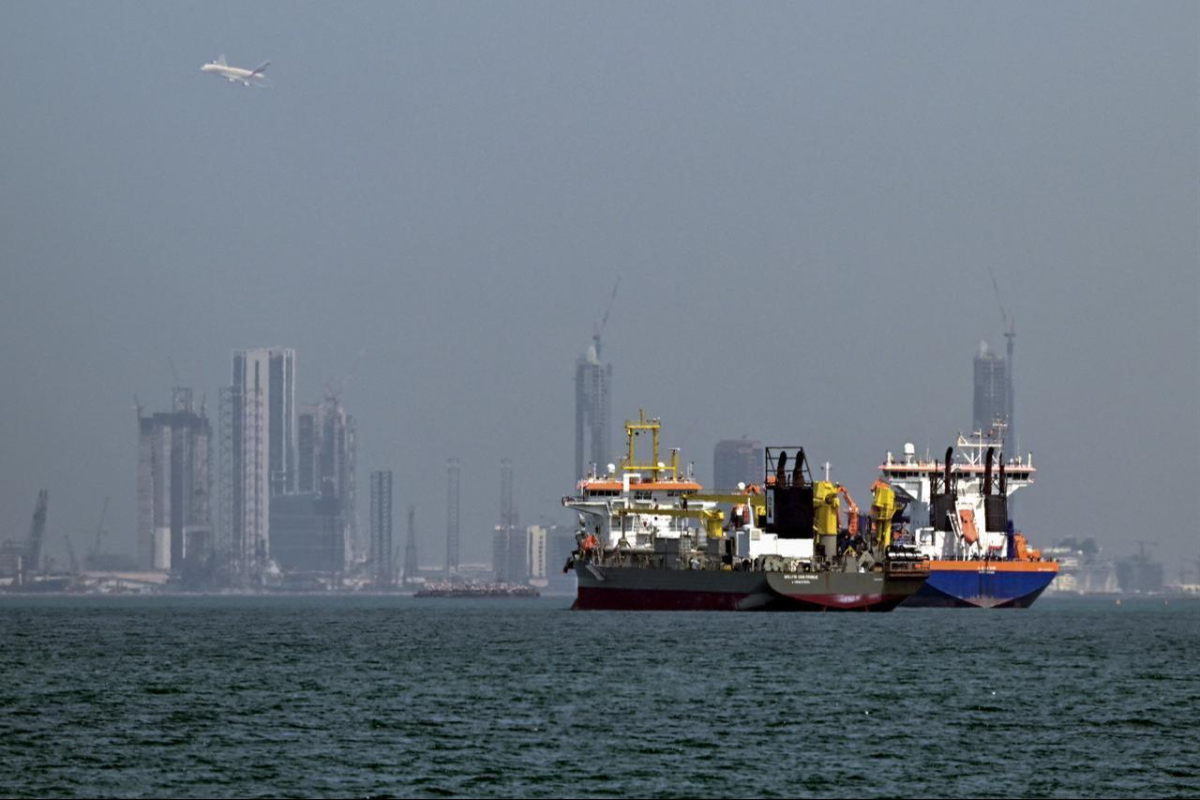
Iran intensified missile and drone attacks on oil and natural gas facilities across the Gulf on Thursday, targeting strategic infrastructure in Qatar, Kuwait, Saudi Arabia, and the United Arab Emirates, following an Israeli strike on the South Pars gas field, a move that threatens global energy supplies and has sent fuel prices sharply higher, reports customreceipt.com with reference to the AP news. The attacks included damage to Qatar’s Ras Laffan LNG facilities, Kuwait’s refineries, and Abu Dhabi’s gas operations, while a vessel was set ablaze off the UAE coast and another damaged near Qatar. Tehran’s campaign comes as the war between Israel, the U.S., and Iran, launched on February 28, has already claimed the lives of senior Iranian leaders and significantly reduced the country’s military capabilities, yet Iran’s retaliatory capabilities remain formidable.
Brent crude prices surged to $118 a barrel, rising over 60% since the start of the conflict, while European natural gas benchmarks increased 17% in a single day and have doubled over the past month. The attacks also disrupted shipping through the Strait of Hormuz, a critical route for one-fifth of the world’s oil, and targeted alternative routes, including Saudi Arabia’s SAMREF refinery in Yanbu on the Red Sea. Qatar confirmed extensive damage to Ras Laffan LNG, which had previously halted production after earlier strikes, raising concerns about post-war supply recovery.
In Israel, multiple waves of Iranian attacks prompted millions to seek shelter. Northern Israel’s electricity grid sustained damage, according to Energy Minister Eli Cohen, with partial restoration underway. Media reports showed smoke rising from the oil refinery in Haifa. Iranian missile strikes also killed four Palestinians in the West Bank village of Beit Awa and caused additional property damage.
U.S. Defense Secretary Pete Hegseth emphasized Washington’s military control over the conflict’s trajectory, warning Iran not to target Arab allies and noting that future operations could continue against senior figures in the Islamic Revolutionary Guard Corps (IRGC) and Basij forces. The Pentagon is reportedly requesting an additional $200 billion in funding for ongoing operations in Iran, including airstrikes on underground weapons storage, drone-targeting missions, and naval operations in the Strait of Hormuz. Israeli forces conducted strikes against Iranian positions in the Caspian Sea, hitting ships, a shipyard, and command centers.
The South Pars gas field, Iran’s largest and jointly operated with Qatar, supplies approximately 80% of the country’s electricity. The Israeli strike has prompted warnings from Iranian President Masoud Pezeshkian about “uncontrollable consequences” for global stability. President Donald Trump stated that Israel would avoid further strikes on South Pars but cautioned that attacks on Qatar’s energy infrastructure could trigger a U.S. military response targeting the field.
The conflict’s human toll continues to rise. More than 1,300 Iranians have been killed, while Israeli strikes against Hezbollah in Lebanon have displaced over 1 million people and resulted in more than 1,000 deaths. In Israel, 15 civilians have died due to Iranian missiles, alongside four fatalities in the West Bank. U.S. military casualties total at least 13. Iran has also executed three men detained during January’s nationwide protests, marking the first known such sentences carried out since the conflict began.
Earlier we wrote about BMW i3 electric sedan 2026: 900 km range, fast charging and Neue Klasse rollout details