 Frank Rondel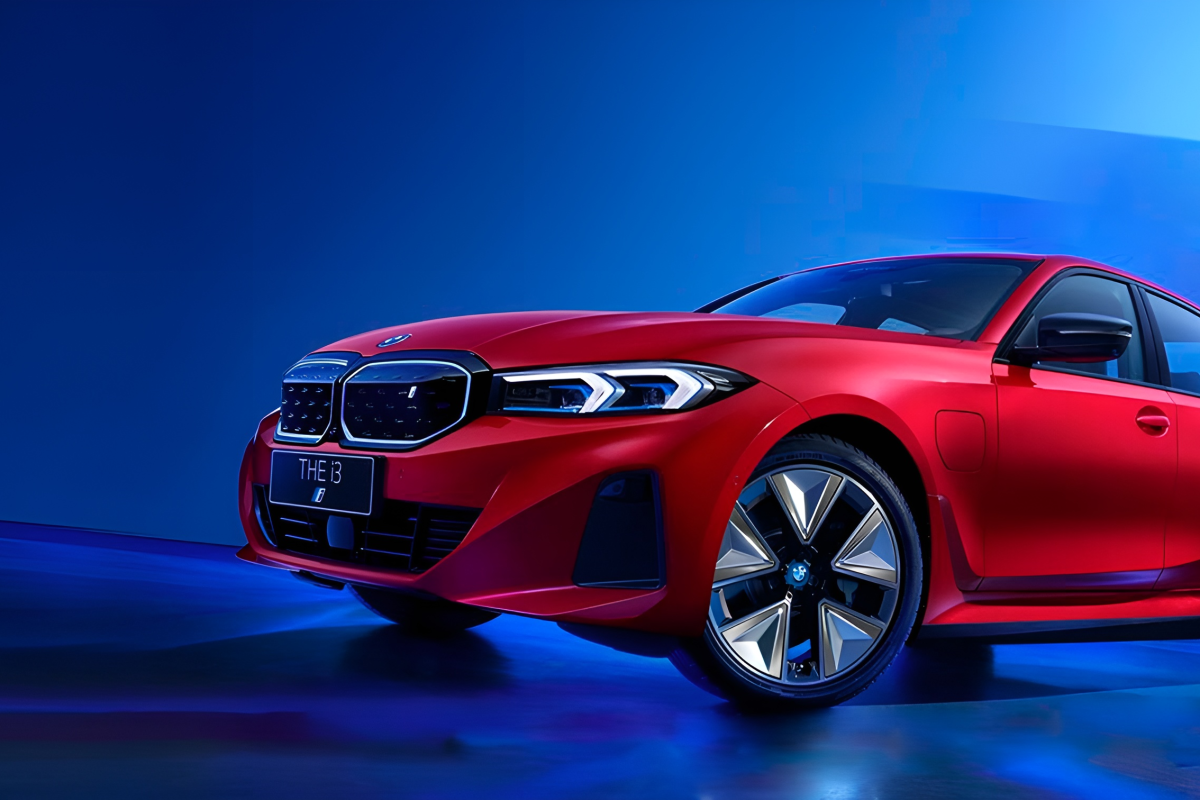
BMW AG has introduced a fully electric version of its flagship 3-Series sedan, marking a pivotal shift for one of the company’s most recognizable and commercially successful models, reports customreceipt.com via Bloomberg.
The German automaker presented the new electric i3 in Munich on Wednesday as part of its next-generation lineup, following the earlier debut of the iX3 sport utility vehicle in September. The new model incorporates upgraded charging capabilities and enhanced digital systems aligned with BMW’s broader electrification strategy.
First introduced in 1975, the 3-Series has long been positioned as a core model in BMW’s portfolio, widely associated with performance-oriented driving and premium status. Across seven generations, it has remained the brand’s top-selling vehicle, setting high expectations for its transition into a fully electric format.
To support production of the electric sedan, BMW has spent several months reconfiguring its Munich manufacturing facility. Serial production is scheduled to begin in the autumn. According to the company, the vehicle will offer a maximum driving range of up to 900 kilometers on a full charge and can recover approximately 400 kilometers of range in just 10 minutes using fast-charging technology.
Alongside the electric variant, BMW is also introducing an updated mild hybrid version of the 3-Series, which will retain a combustion engine as its primary power source while sharing the same exterior design as the electric model. Production of combustion-engine variants will take place at separate facilities, and a plug-in hybrid version is expected to be added at a later stage.
The strategy carries operational and market risks. If demand for the redesigned 3-Series lineup falls short of expectations, BMW could face underutilization at its Munich plant. At the same time, the company is seeking to strengthen its position against leading electric vehicle manufacturers such as Tesla Inc. and China’s BYD Co.
BMW previously used the i3 nameplate for a compact electric hatchback launched in 2013, which was discontinued in 2022. That earlier model targeted early adopters of electric mobility, whereas the new i3 sedan is designed to appeal to a broader base of existing BMW customers as well as drivers transitioning from competing brands.
The approach of maintaining similar design language between electric and combustion-engine vehicles is increasingly being adopted across the industry. Mercedes-Benz has introduced electric versions of established models such as the GLC, while Porsche is preparing an electric variant of the Cayenne.
Industry analysts note that narrowing price differences between electric vehicles and traditional combustion models are making EV adoption more accessible. BMW has not yet disclosed pricing details for the new 3-Series lineup.
Looking ahead, BMW plans to launch more than 40 new or updated models based on its “Neue Klasse” platform by next year, including future versions of the 7 Series and X5. The company has reported strong early demand for the iX3, with its Hungarian production facility already operating two shifts to meet orders. BMW has invested over €10 billion into the Neue Klasse program, focusing on advanced software integration, faster charging systems and updated vehicle design.
Earlier we wrote that Joe Kent Resigns as U.S. Counterterrorism Chief Over Iran War, Citing Israel Lobby Influence