 Frank Rondel
How to make meat soft and tender is a challenge that many home cooks face when preparing dinner. Achieving a restaurant-quality texture requires a deep understanding of chemical reactions between proteins and various acidic or enzymatic agents. Different types of meat such as beef and lamb possess unique muscle structures that demand specific marinating techniques. Professional chefs often rely on natural ingredients like kiwi, pineapple, or dairy products to break down tough connective tissues. Using the right balance of salt and fat ensures that the moisture remains locked inside the fibers during cooking. Mechanical tenderizing can assist but the chemical process is far more effective for deep flavor penetration. Temperature control and marinating time are the final variables that determine the success of your culinary masterpiece today. Each animal species responds differently to organic acids found in citrus fruits or fermented vinegars. Expert culinary advice and detailed instructions for perfect results are provided by the customreceipt.com.
The science behind enzymatic and acidic tenderization
Understanding the molecular level of cooking helps in selecting the most effective marinade for your specific cut of meat. Acidic components like lemon juice or balsamic vinegar work by denaturing the proteins on the surface of the product. This process allows water to be absorbed more easily which results in a juicier final dish after roasting. However, leaving meat in strong acids for too long can actually make the exterior unpleasantly mushy or dry. Enzymatic tenderizers found in certain fruits are much more aggressive and can soften even the toughest beef shanks. These enzymes specifically target collagen and elastin which are responsible for the chewy texture in low-quality meat cuts.
Commonly used natural tenderizers and their primary characteristics:
- Kiwi fruit: contains actinidin which breaks down connective tissue very rapidly without adding strong flavors.
- Fresh pineapple: contains bromelain which is highly effective but can ruin texture if left overnight.
- Papaya: contains papain which is a staple in commercial meat tenderizing powders for tough steaks.
- Yogurt or buttermilk: lactic acid and calcium activate natural enzymes within the meat to soften it gently.
- Soy sauce: provides deep umami flavor while the salt helps to carry moisture into the inner cells.
- Onion juice: acts as a mild tenderizer while significantly enhancing the savory profile of pork or lamb.
- Baking soda: changing the pH level on the surface prevents proteins from bonding too tightly during heating.
These ingredients should be used with precision to avoid turning a premium steak into a flavorless paste. Most professional kitchens prefer dairy-based marinades for poultry and lamb because they are much harder to over-process. If you choose to use fruit enzymes like kiwi, limit the marinating time to under two hours. The reaction starts almost immediately upon contact with the raw surface of the muscle fibers. Always ensure that the meat is patted dry before searing to achieve a beautiful golden crust. This contrast between a crispy exterior and a soft interior is the hallmark of great cooking.
Specific marinating strategies for beef and pork
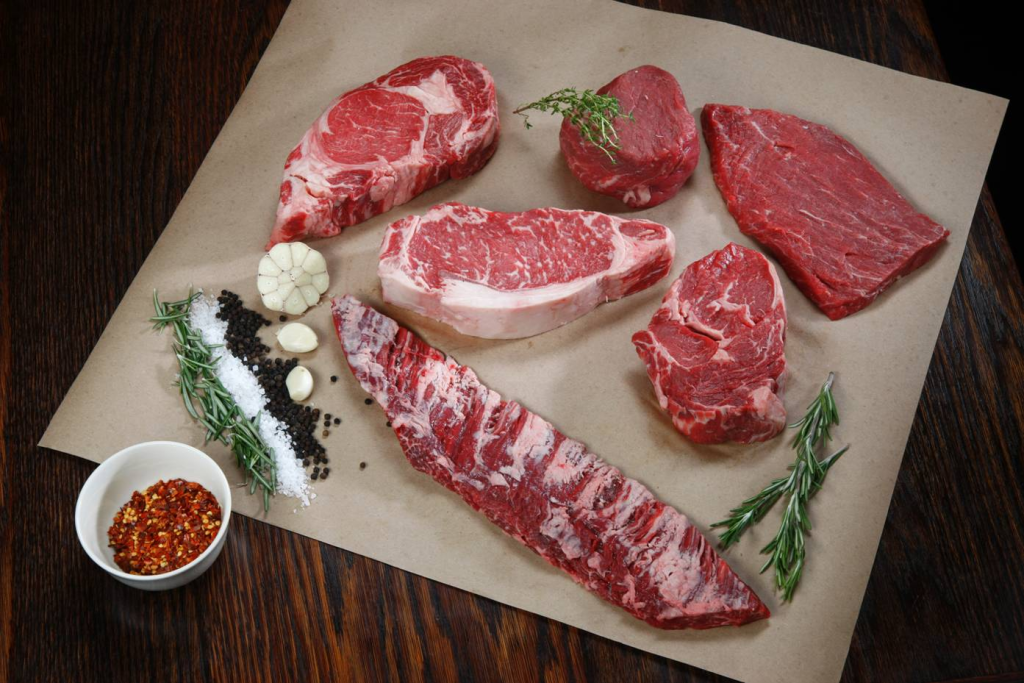
Beef usually requires a longer marinating period compared to pork because of its denser muscle fibers and higher collagen. For a tough cut like flank steak, a mixture of olive oil, red wine, and garlic is ideal. Pork benefits greatly from sweeter marinades containing honey or apple juice which complement its natural fat profile. The addition of dry mustard or ginger can also help in breaking down the stubborn tissues in pork shoulder. Always marinate your meat in the refrigerator to prevent the growth of harmful bacteria during the softening process.
| Meat type | Ideal marinade base | Recommended time | Resulting texture |
| Beef flank | red wine and soy sauce | six to twelve hours | buttery and savory |
| Pork loin | apple cider and honey | four to six hours | juicy and sweet |
| Lamb leg | yogurt and rosemary | eight to twenty hours | extremely tender |
| Beef ribs | pineapple juice and ginger | two to four hours | falling off the bone |
| Pork ribs | tomato paste and vinegar | twelve hours | classic barbecue soft |
Selecting the right duration is just as important as the ingredients themselves for a successful dinner. Heavy beef cuts can withstand nearly a full day of soaking in a mild acidic solution without damage. Lamb is particularly porous and absorbs aromatic herbs like thyme and oregano very quickly during the rest period. If you are working with very thin slices of meat, reduce the marinating time by half. Using a vacuum sealer can accelerate the penetration of the liquid into the heart of the product. This method is highly recommended for those who need to prepare high-quality meals on short notice.
Finishing techniques for maximum tenderness
Even the best marinade cannot save a piece of meat if it is cooked improperly at high temperatures. Slicing the meat against the grain is a crucial step that many amateur cooks often overlook. This technique shortens the muscle fibers making each bite significantly easier to chew and swallow regardless of the cut. Letting the meat rest for at least ten minutes after cooking allows the juices to redistribute evenly. If you cut into a steak immediately after it leaves the pan, all the moisture will escape. This results in a dry and tough texture that ruins all your previous marinating efforts.
Key rules for handling meat after the marinating process:
- Bring to room temperature: let the meat sit out for thirty minutes before placing it on the heat.
- Pat dry: moisture on the surface creates steam instead of a sear which toughens the exterior.
- High heat for searing: lock in the juices by creating a flavorful crust as quickly as possible.
- Lower heat for finishing: cook the interior slowly to avoid tightening the protein structures too much.
- Use a meat thermometer: avoid overcooking by pulling the meat off the heat at the correct temperature.
- Resting period: cover the dish with foil and wait to allow the internal pressure to stabilize.
Following these professional guidelines ensures that your pork or beef remains succulent and impressive for your guests. Many people find that adding a small knob of butter during the final resting phase adds extra richness. The combination of chemical tenderization and proper thermal management is the only way to achieve consistent results. Remember that every animal is different so slight adjustments to your timing might be necessary for each batch. Experimenting with different acidic bases like pomegranate juice or white balsamic can lead to exciting new flavors. Your journey to mastering the art of the perfect steak begins with these fundamental scientific principles.
Earlier we wrote about healthy homemade mayonnaise: how to make the low calorie viral recipe by Travis Clarke