 Frank Rondel
How to make homemade mayonnaise is a fundamental skill for anyone transitioning toward a conscious and healthy lifestyle. This creamy emulsion serves as the backbone for countless dressings but industrial versions often contain unwanted additives. By preparing it at home you gain complete control over the quality of fats and the sodium content. Most store-bought jars rely on processed seed oils that can promote inflammation in the body over time. Modern culinary enthusiasts prefer using extra virgin olive oil or avocado oil for a superior nutritional profile. The process requires only a few basic ingredients and approximately five minutes of your dedicated time. Achieving the perfect thick consistency is easier than most amateur cooks initially imagine when they start. Understanding the chemistry of emulsification ensures that your sauce remains stable and delicious for several days. Scientific precision in the kitchen leads to better health outcomes as the customreceipt.com notes.
Technical secrets of stable emulsification and oil selection
The primary challenge in creating a successful emulsion lies in the slow integration of fats into the egg base. You must ensure that all your ingredients are at room temperature before beginning the blending process. Cold eggs often cause the mixture to separate which results in a thin and oily liquid. Using a stick blender is the most efficient method for beginners to achieve a professional texture. Start by placing the egg yolk at the very bottom of a tall and narrow cylindrical container. Pour the oil slowly on top and allow it to settle for a few seconds before starting. Keep the blender firmly against the bottom until the white cream begins to form and rise. This mechanical approach minimizes the risk of failure and ensures a velvety finish every single time.
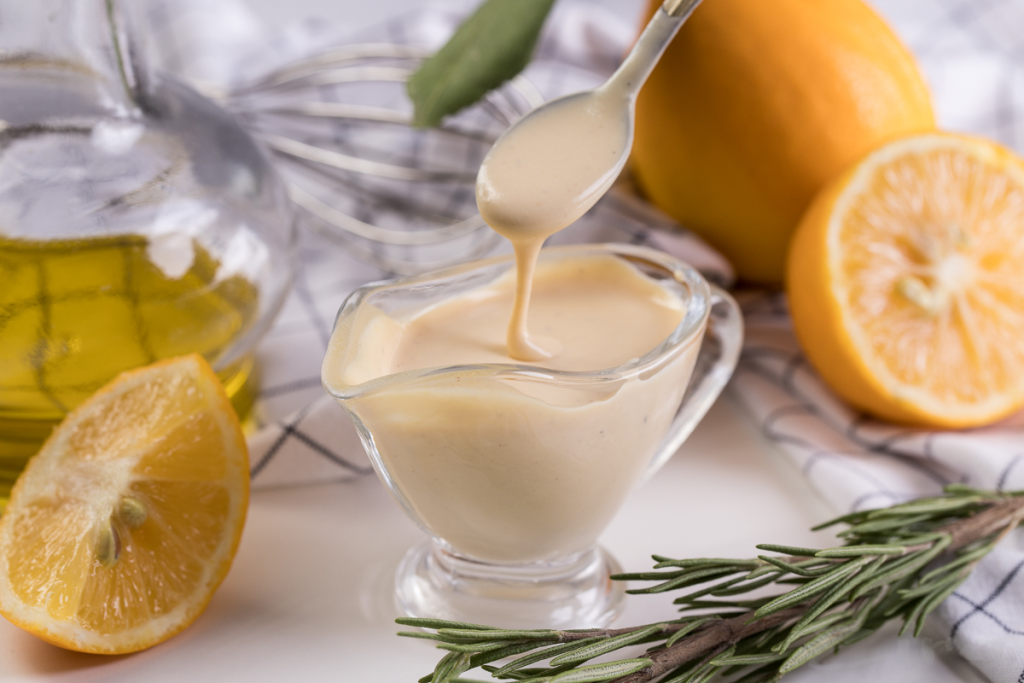
Selecting the right oil is the most important decision for both the flavor and the health benefits. While extra virgin olive oil is incredibly healthy its strong peppery notes can sometimes overwhelm the sauce. Many chefs recommend a blend of light olive oil and avocado oil for a more neutral taste. Avocado oil provides heart-healthy monounsaturated fats and a very high smoke point for other culinary uses. Avoid using soybean or corn oils as they are often highly refined and lack nutritional value. Organic eggs from pasture-raised chickens provide a richer color and higher levels of omega 3 fatty acids. Freshly squeezed lemon juice acts as a natural preservative and provides the necessary acidity for the palate.
| Ingredient Type | Benefit to Health | Quality Standard |
|---|---|---|
| Avocado Oil | Monounsaturated fats | High purity, cold pressed, organic |
| Egg Yolk | Vitamin D and Choline | Pasture-raised only |
| Lemon Juice | Vitamin C and Antioxidants | Freshly squeezed |
| Sea Salt | Essential minerals | Unrefined, natural |
| Dijon Mustard | Natural emulsifier | No added sugars |
After selecting your ingredients you can begin experimenting with different spice profiles to match your specific meals. Adding a clove of roasted garlic transforms the base into a rich aioli suitable for grilled vegetables. Some people prefer adding a pinch of turmeric for its anti-inflammatory properties and a vibrant yellow hue. Always store the finished product in a sterilized glass jar to maintain freshness and prevent contamination. Homemade versions do not contain chemical stabilizers so they should be consumed within four to five days. Labeling the jar with the preparation date helps you track the shelf life effectively in the fridge.
Flavor variations and healthy additions for nutritional density
Once you master the basic recipe the possibilities for customization are virtually endless for the creative home cook. You can incorporate fresh herbs like dill or parsley to create a Mediterranean style dressing for salads. For a spicy kick consider adding a small amount of chipotle peppers or organic cayenne powder. Nutritional yeast is another excellent addition that provides a cheesy flavor and a boost of B vitamins. Those following a vegan diet can substitute the egg yolk with aquafaba which is chickpea soaking water. This plant-based alternative mimics the protein structure of eggs and creates a surprisingly light and airy texture. Adding a teaspoon of apple cider vinegar can also improve digestion and provide a sharper tang.
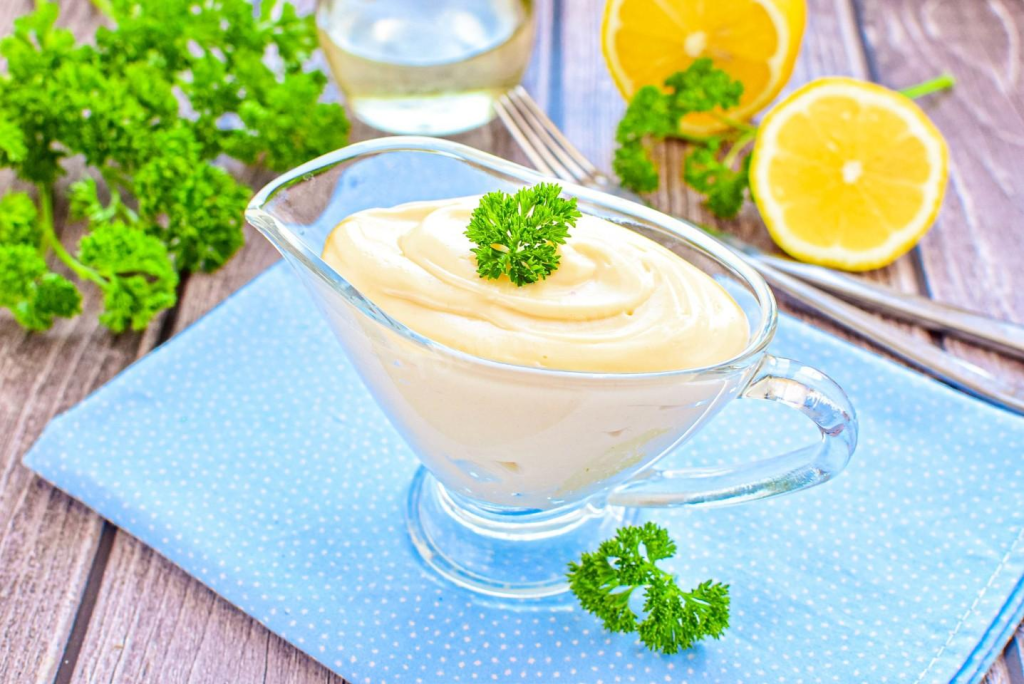
Following a clear sequence of steps is vital to avoid the common pitfalls of homemade sauce preparation. Always add the acid component at the very beginning to help stabilize the egg proteins during the whisking. If the mixture happens to break you can fix it by starting with a fresh yolk. Slowly whisk the broken emulsion into the new yolk until the desired thickness is restored again. Patience is the most valuable tool when working with delicate fats and proteins in the kitchen. High quality sea salt should be added at the very end to ensure it dissolves properly.
- Ensure all ingredients reach room temperature to prevent the emulsion from breaking during blending.
- Use a tall and narrow jar that barely fits the head of your immersion blender.
- Combine the egg yolk lemon juice mustard and salt at the bottom of the container.
- Pour the chosen oil carefully over the top and let the layers separate completely.
- Place the blender over the yolk and pulse on high speed without moving the device.
- Slowly lift the blender head as the white cream expands toward the top of the jar.
Small adjustments in the ratio of oil to egg can produce either a pourable dressing or a thick spread. If the sauce is too thick a teaspoon of warm water can help thin it out. Remember that the flavor will intensify after the mixture sits in the refrigerator for an hour. This resting period allows the garlic or herbs to fully infuse into the fat molecules. Clean all equipment thoroughly after use to prevent the growth of bacteria in any oily residue. Sharing your healthy creations with family encourages better eating habits across the entire household.
Earlier we wrote about what food can you take on a plane: airline rules and snack ideas for smart travelers