 Frank Rondel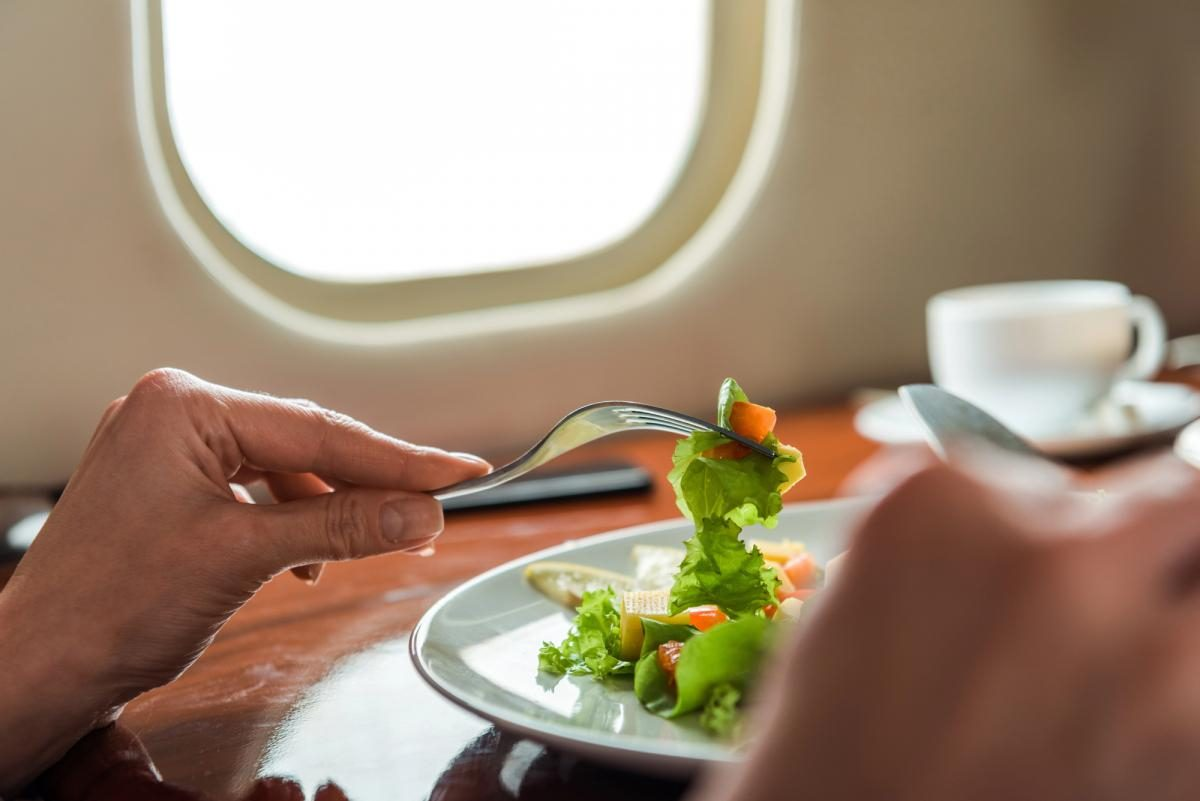
What food can you take on a plane is a question that defines the modern travel experience for many. Navigating the complex web of airline regulations requires careful preparation and knowledge of international security standards. Passengers often face the dilemma of choosing between expensive airport meals and bringing their own homemade snacks. Most airlines allow solid food items in carry-on luggage without any major restrictions or additional fees. However, liquid and gel-like substances must strictly adhere to the 100 ml rule per individual container. International flights may also have specific customs regulations regarding fresh produce and meat products at the destination. It is essential to choose snacks that are not only compliant but also non-aromatic and easy to eat. Planning your inflight menu ensures a comfortable journey regardless of the duration of your flight today. Staying informed about these nuances helps avoid unnecessary delays at the security checkpoint, as the editors at customreceipt.com emphasize.
Understanding security regulations and liquid restrictions for cabin luggage
The primary challenge for travelers involves distinguishing between solid foods and those classified as liquids or gels. Security officers at the airport follow strict protocols to ensure the safety of all passengers on board. Items like creamy cheeses, jams, and spreads are often confiscated if they exceed the permitted volume limit. Solid snacks like sandwiches, nuts, and dried fruits are generally welcomed through the security scanners without issue. It is helpful to pack your food in clear containers to speed up the inspection process significantly. Remember that any liquid purchased after security is usually allowed on the plane without further volume restrictions. Many travelers prefer to bring an empty water bottle and fill it once they pass the checkpoint. This strategy saves money and ensures you stay hydrated during long-haul flights across different time zones.
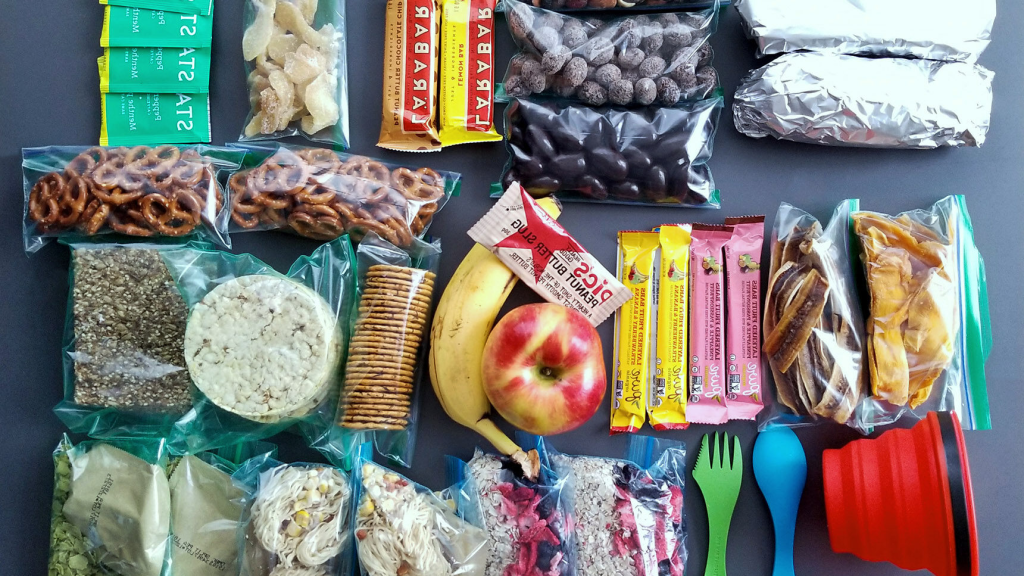
Airlines frequently update their policies regarding what can be carried into the cabin during seasonal travel peaks. It is worth checking the official website of your specific carrier 24 hours before your departure time. Some budget airlines have limited space in overhead bins which might affect how you pack your food bags. Packing snacks in a way that fits under the seat in front of you is a wise move. The following data highlights common food items and their general acceptance status at security checkpoints worldwide.
| Category | Item | Status at Security |
|---|---|---|
| Solid Snacks | Granola bars and nuts | Generally permitted |
| Liquid/Gel | Yogurt and pudding | Limit 100 ml |
| Fresh Food | Whole fruits and veggies | Permitted (domestic) |
| Spreads | Peanut butter and jam | Limit 100 ml |
Navigating these rules allows you to enjoy a variety of tastes while soaring at 30,000 feet. Many passengers find that bringing their own food reduces the stress associated with limited inflight meal options. It also caters to specific dietary needs that airlines might not always be able to fulfill perfectly. Always keep your snacks accessible so you do not have to disturb neighbors during the flight. Proper organization of your carry-on bag is key to a seamless boarding and flying experience for everyone.
Best snack ideas for a comfortable and nutritious flight experience
Selecting the right snacks involves considering nutrition, ease of consumption, and the comfort of fellow passengers around you. Protein-rich options like hard-boiled eggs or beef jerky provide sustained energy without causing unwanted blood sugar spikes. Crunchy vegetables such as carrots and cucumbers stay fresh for several hours and offer a refreshing burst of hydration. Avoid foods with strong odors like fish or heavy garlic to maintain a pleasant environment in the cabin. Dried fruits and dark chocolate are excellent choices for those who crave something sweet during the transit period. These items are compact and do not require refrigeration to remain safe and tasty for the whole journey. Packing a mix of textures and flavors keeps your palate satisfied during the most tedious parts of traveling.
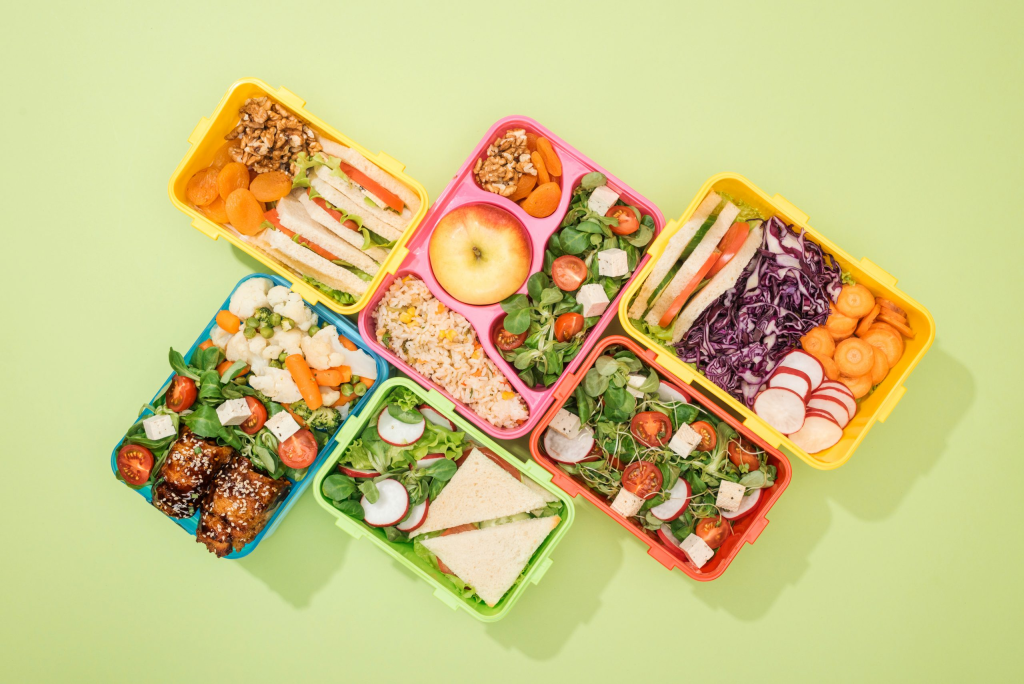
Smart travelers often prepare a small bento box that fits easily into a standard laptop bag or backpack. This allows for a variety of small portions that can be eaten over the course of the day. Using reusable silicone bags is an eco-friendly way to store your snacks while saving precious space in luggage. Make sure to dispose of any leftover fresh items before landing in countries with strict agricultural quarantine laws. This prevents potential fines and legal issues at the customs desk upon arrival at your final destination airport.
- Hard cheeses and crackers stay fresh and provide a satisfying savory snack during the flight.
- Sliced apples or grapes are easy to eat and provide natural sugars for a quick energy boost.
- Trail mix with seeds and nuts offers a high-density source of nutrients and healthy fats for travelers.
- Homemade wraps with dry fillings avoid the mess often associated with traditional sandwiches and loose bread crumbs.
- Pre-cut celery sticks with a small portion of hummus under 100 ml are a healthy vegetable option.
- Plain popcorn is a light and voluminous snack that is perfect for watching movies on the plane.
Maintaining a clean seating area is a courtesy that all airlines and crew members deeply appreciate from passengers. Use the provided tray table and keep your trash organized in a small bag for easy collection later. Drinking plenty of water alongside your snacks helps combat the dry air commonly found in aircraft cabins today. Being mindful of allergens like peanuts is also important as some flights may have specific restrictions in place. Taking these small steps ensures that your inflight dining experience is both delicious and respectful of others.
Earlier we wrote about Dominique Crenn baked trout recipe: secret of the three Michelin star chef and Bearnaise sauce