 Frank Rondel
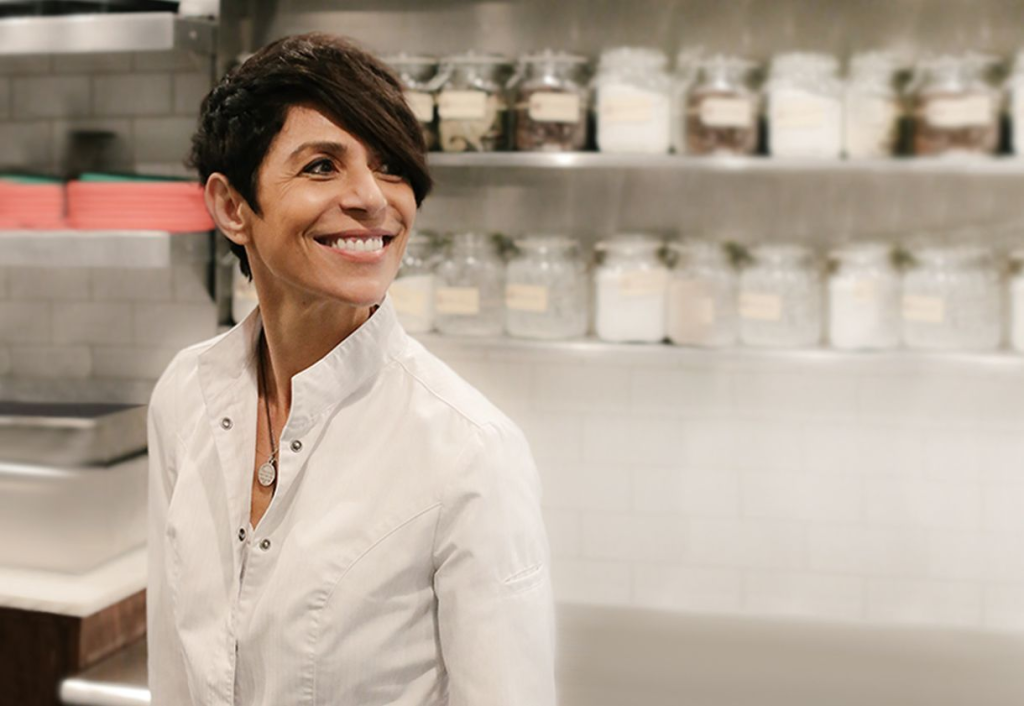
Dominique Crenn baked trout recipe represents the culinary philosophy of one of the world most influential female chefs today. As one of only five women to hold three Michelin stars, Crenn brings her French heritage and San Francisco flair to every single plate. Her approach to seafood is deeply poetic, focusing on the natural essence of the ingredients rather than heavy manipulation or masking. This specific dish highlights the delicate texture of freshwater fish combined with a sophisticated and rich classic French sauce. Modern home cooks seek professional techniques that remain accessible within a standard kitchen environment for dinner parties or family meals. Understanding the balance between acidity in the vinegar and the creaminess of the butter is essential for success. Crenn often emphasizes that cooking is an act of love and a tribute to the environment that provides the food. High quality trout remains a sustainable choice for those looking to replicate world class dining experiences at home. Every step in this preparation ensures that the moisture remains locked inside the fish while the sauce adds luxury, as noted by the customreceipt.com.
Master of modern French Atlantic cuisine
The journey of Dominique Crenn from her roots in Brittany to the pinnacle of the American food scene is remarkable. She transformed the landscape of fine dining by introducing a style she calls poetic gastronomy to the public. Her restaurant Atelier Crenn in San Francisco serves as a laboratory for innovation where nature meets high art. This recipe for baked trout is a distilled version of that same dedication to excellence and purity. It reflects a deep respect for traditional French techniques like the preparation of a proper Bearnaise reduction. Such skills are fundamental for any aspiring chef or dedicated home cook who wants to master the classics. By using simple parchment paper, she utilizes an ancient technique to achieve modern perfection in every single serving.
The ingredients required for the Bearnaise sauce are specific and rely on the freshness of the primary components used. You will need 2 eggs and 2 teaspoons of high quality olive oil for the initial base of the sauce. One finely chopped shallot provides the aromatic foundation that defines the characteristic flavor profile of this French staple. The liquid reduction consists of 5 tablespoons of white wine, 3 tablespoons of white wine vinegar, and 5 tablespoons of dry vermouth. For the final emulsification, prepare 4 tablespoons of butter at room temperature to ensure it incorporates smoothly into the yolks. A simple seasoning of 1/4 teaspoon of salt and 1/8 teaspoon of black pepper completes the ingredient list. Having everything measured beforehand allows for a seamless cooking process without any risk of burning the delicate shallots.
| Ingredient | Quantity | Note |
| Eggs | 2 units | Use yolks only |
| Olive oil | 2 tsp | Extra virgin preferred |
| Shallot | 1 unit | Finely minced |
| White wine | 5 tbsp | Dry variety |
| White wine vinegar | 3 tbsp | High acidity |
| Dry vermouth | 5 tbsp | Herbal notes |
| Butter | 4 tbsp | Room temperature |
| Salt | 1/4 tsp | Fine sea salt |
| Black pepper | 1/8 tsp | Freshly ground |
Careful preparation of the sauce involves creating a stable emulsion over a gentle water bath to prevent curdling. Start by separating the yolks into a medium bowl while discarding or saving the whites for another use. Sauté the shallots in olive oil for about 5 minutes until they achieve a light golden caramelization. Add the wine, vinegar, and vermouth to the pan and simmer for 10 minutes until the alcohol scent disappears. Strain this liquid through a fine sieve to ensure a perfectly smooth texture for the final sauce. Whisk the yolks over boiling water until they form a thick ribbon when the whisk is lifted. Slowly incorporate the warm liquid reduction and the soft butter while whisking constantly to create a thick consistency. Keep the sauce in a warm place to maintain its velvet texture until the fish is ready.
Perfecting the technique of parchment baking
Baking fish in parchment paper, also known as en papillote, is a healthy and foolproof method for delicate fillets. This technique creates a small steam chamber that cooks the trout evenly without drying out the edges or skin. For this recipe, you will need 4 medium pieces of trout, approximately 150 grams each for individual portions. Use 1 tablespoon of olive oil along with salt and pepper to season the fish before sealing the packets. Preheat your oven to 180 degrees Celsius to ensure a consistent cooking temperature from the very start of the process. This method is particularly favored by professional chefs because it preserves the natural juices and nutritional value of the fish. It also makes for an elegant presentation when guests open their own steaming packets at the dining table.
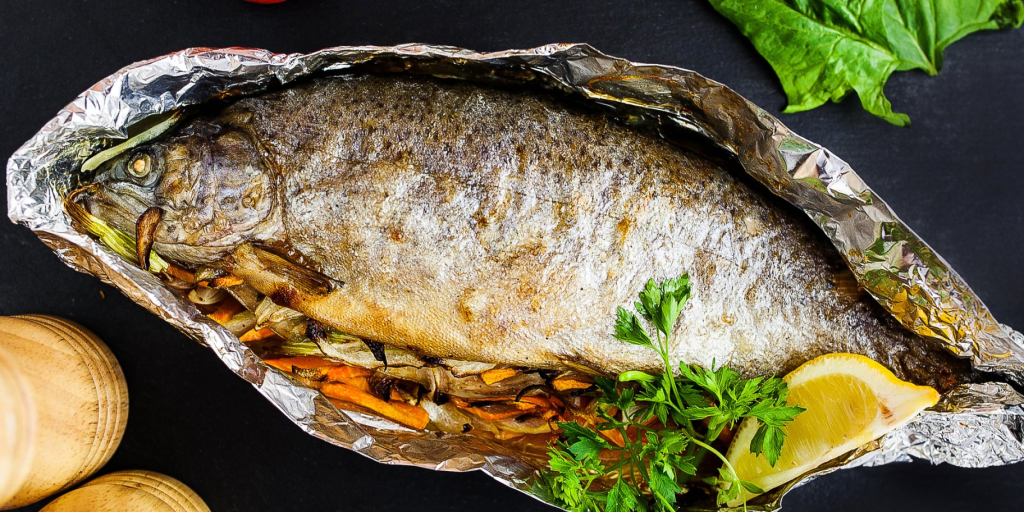
Preparation for the trout requires four sheets of parchment paper cut into rectangles to fit the baking tray easily. Place each seasoned trout fillet on one half of the paper and fold the other half over the top. Crimp the edges tightly to create a leak proof seal that will trap all the steam during the baking. Bake the packets for 7 to 10 minutes depending on the thickness of your specific trout fillets at that time. Serve the fish immediately while still inside the paper to keep it hot and aromatic for the person eating. Cut a slit down the center of each packet to reveal the perfectly cooked trout just before adding the sauce. This simple yet effective approach ensures that even beginners can achieve results worthy of a professional kitchen.
- 4 trout fillets of 150 grams each
- 1 tablespoon of olive oil
- Sea salt to taste
- Freshly ground black pepper
- 4 sheets of parchment paper
- Warm Bearnaise sauce for serving
- Fresh herbs for garnish if desired
Serving this dish requires immediate action once the fish leaves the oven to prevent the residual heat from overcooking. The contrast between the light, steamed trout and the rich, herbal Bearnaise sauce creates a balanced sensory experience. Dominique Crenn suggests serving this with simple sides like steamed asparagus or small boiled potatoes to complete the meal. The elegance of the dish lies in its simplicity and the high quality of the seasonal ingredients chosen. Guests always appreciate the theatrical element of opening the parchment paper to release the fragrant steam at the table. It is a dish that proves how three Michelin star concepts can be translated into home cooking. Mastering this recipe builds confidence in handling both delicate seafood and complex French egg based emulsions simultaneously.
Earlier we wrote about brandy snaps: how to make the favorite dessert of Queen Elizabeth II at home