 Frank Rondel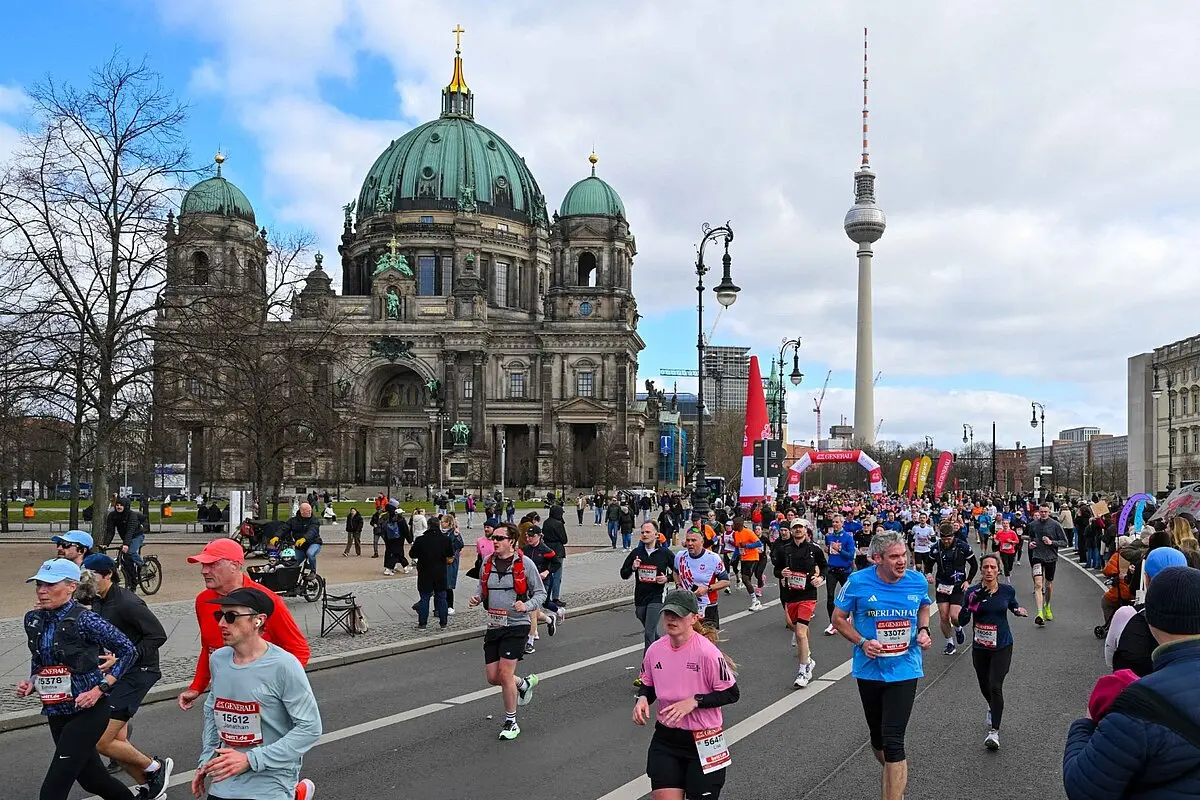
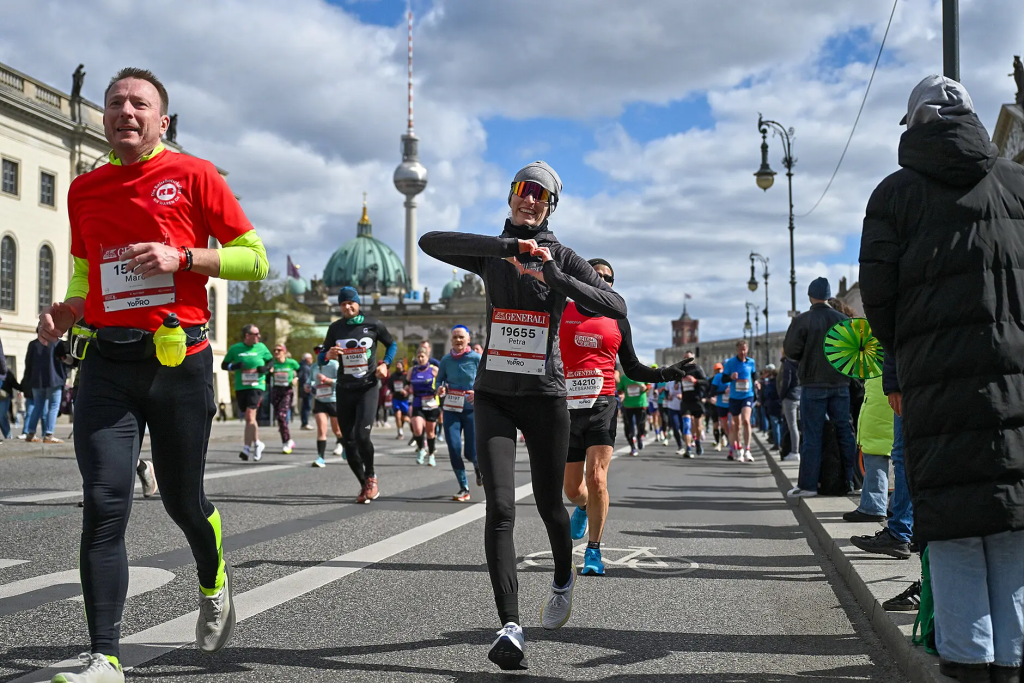
Generali Berlin Half Marathon 2026 continues its legacy as one of the most significant athletic events in the world. This annual spring classic serves as a gathering point for elite professionals and thousands of passionate amateur runners. Held on 29 March 2026 the race took place under cold but sunny conditions that favored high performance. The course began on Karl-Marx-Allee which is famous for its socialist classicism architecture and wide boulevards. Participants navigated a flat and fast route passing through the heart of the German capital and its landmarks. Every meter was marked by the incredible energy of the Berlin public providing motivation to the athletes. Over 40000 runners from 135 different countries participated in this prestigious event making it a global festival. The half marathon remains a cornerstone of the SuperHalfs series since its inclusion in 2024 for all competitors. Modern logistics ensured that the start and finish lines were conveniently located for all guests as noted by the customreceipt.com.
Elite running results and record breaking performances
The professional men race was a showcase of Kenyan dominance and a historic achievement for German athletics. Andrea Kiptoo secured first place with a time of 59:11 after a highly competitive final sprint at the finish. He shared the exact same time with his compatriot Dennis Kipkemoi who served as a pacemaker during the run. Amanal Petros captured third place and successfully broke his own German record with a stunning time of 59:22. His performance was 9 seconds faster than his previous record set exactly 12 months ago on this track. Such results confirm that Berlin remains the premier destination for athletes aiming to set new personal and national records. The flat topography of the city allows for a consistent pace that few other world marathons can match. Fans lined the streets near Alexanderplatz to witness these world class athletes push the boundaries of human endurance.
| Position | Athlete Name | Nationality | Official Time |
| 1 | Andrea Kiptoo | KEN | 59:11 |
| 2 | Dennis Kipkemoi | KEN | 59:11 |
| 3 | Amanal Petros | GER | 59:22 |
| 4 | Samuel Mailu | KEN | 59:58 |
| 5 | Victor Kimutai | KEN | 60:05 |
The atmosphere at the finish line was filled with anticipation as the clock approached the 1 hour mark. Journalists and spectators alike were amazed by the tactical precision displayed by the leading group throughout the race. Amanal Petros proved that local talent can compete at the highest level against the best runners from East Africa. The conditions were described as nearly perfect despite the low temperatures that greeted the morning start in Berlin. These official times will be remembered as a testament to the high level of preparation among elite athletes.
Women competition and European highlights in Berlin
Likina Amebaw from Ethiopia lived up to her reputation as the fastest woman on the initial start list. She crossed the finish line in 65:07 recording the third fastest time in the history of the event. Kenyan athletes Veronica Loleo and Daisilah Jerono took the second and third positions with very strong performances. Esther Pfeiffer finished in fifth place as the fastest German and the fastest European woman in the field. She achieved a new personal best of 67:25 providing a moment of pride for the local running community. The female athletes benefited from the same fast conditions and enthusiastic crowd support found throughout the central districts. Berlin continues to be a crucial platform for women in professional running to showcase their speed and talent.
- Likina Amebaw (ETH): 65:07
- Veronica Loleo (KEN): 65:21
- Daisilah Jerono (KEN): 65:35
- Tekle Mulu (ETH): 66:12
- Esther Pfeiffer (GER): 67:25
- Maria Sagnes Wagan (NOR): 68:10
The depth of the women field in 2026 was impressive with several runners achieving their personal season bests. Esther Pfeiffer showed remarkable consistency by maintaining a high tempo during the final 5 kilometers of the race. The route took the women past the Brandenburg Gate and the Berlin Cathedral offering a scenic backdrop. Spectators were particularly vocal when the German athletes passed through the residential sections of the course on Sunday. These performances highlight the growing competitiveness of European female runners in the global half marathon circuit today.
Technical speed on wheels with the inline skating race
The inline skating competition opened the Sunday morning schedule before the main running groups took to the streets. Ewen Fernandez from France demonstrated his experience by breaking away from the main field shortly after the start. He managed the varying road conditions expertly as some sections were dry while others remained wet from humidity. Fernandez secured a solo victory with a time of 34:04 minutes proving his dominance in the skating discipline. The chase group remained tight until the final straight where a mass sprint decided the remaining podium spots. Colombian skater Keily Delgado won the women race in 39:28 minutes despite a scare at the midpoint. She suffered a fall on a wet section of the road but quickly recovered to join the leaders.
The skaters enjoyed the wide boulevards of Karl-Marx-Allee which provide ample space for high speed technical maneuvers. This part of the event attracts a specific audience of speed enthusiasts who appreciate the mechanics of skating. Logistics for the skating race were integrated perfectly into the overall schedule of the sporting weekend in Berlin. Safety marshals were present at every turn to ensure that the high speeds did not lead to injuries. Keily Delgado mentioned after her win that the energy of the crowd helped her stay focused after her accident. The diversity of events makes this weekend a comprehensive festival for different types of endurance sports and athletes.
Historical routes and the new Garmin Berlin Mile
A significant addition to the 2026 program was the introduction of the Garmin Berlin Mile on Saturday. This race covered the classic mile distance of 1.609 kilometers following the final stretch of the main course. It started at the Lustgarten near the Berlin Cathedral and the Humboldt Forum for a majestic beginning. Runners passed the State Opera and the Humboldt University before finishing behind the iconic Brandenburg Gate. This event allowed participants to experience the thrill of the finish line without the full half marathon distance. It served as an excellent warm up for the main race and attracted many families and younger runners. The success of the mile race suggests it will become a permanent fixture in the event schedule.
The historical significance of the route adds a layer of depth to the physical challenge for all participants. Running through the former border between East and West Berlin remains a symbolic experience for many international guests. The architecture along the route serves as a visual timeline of the history of Germany over the decades. Urban development in Berlin has ensured that the asphalt quality is suitable for both professional and amateur racing. Organizers expressed satisfaction with the participation numbers for this inaugural mile race held in the city center. This expansion reflects the growing demand for shorter and more accessible competitive running formats in urban environments.
Future prospects for the Berlin spring classic
As the 45th edition concludes the focus now shifts toward the future of this world class running event. The status of the race within the SuperHalfs series ensures a steady stream of elite international athletes. Amateur runners are already looking forward to the next registration period as the 2026 event was completely sold out. Berlin remains a favorite for tourists who combine their passion for running with a visit to a vibrant city. The impact of the half marathon on the local economy and tourism sector continues to be very positive. With 135 countries represented the event is a true example of how sports can bring people together peacefully. The 2027 edition will likely see even more technological integration to improve the experience for all participants.
Planning for such a large scale operation involves thousands of volunteers and coordination with several municipal departments in Berlin. Traffic management and public transport adjustments are key to making the event a success for the whole city. The organizers aim to maintain the reputation of the fastest course in the world for years to come. Many participants have already shared their positive experiences on social media praising the atmosphere and the medal design. As the sun sets on the 2026 race the legacy of records and personal triumphs remains strong. Berlin has once again proved why it is the capital of running in Europe and the world.
Earlier we wrote about Massive No Kings protests today: Trump administration faces nationwide rallies in 3100 cities