 Frank Rondel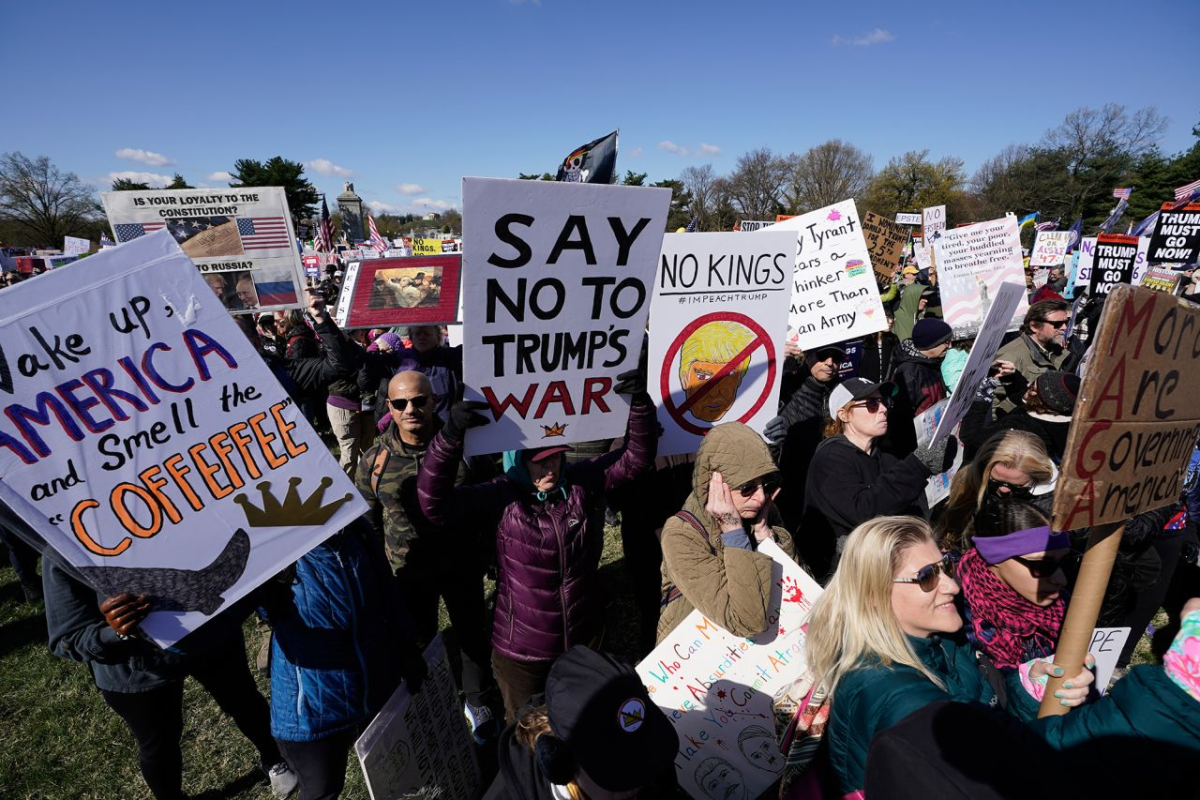
No Kings protests have ignited a massive wave of civil unrest across the United States this Saturday. From the streets of New York City to remote towns in Alabama, citizens are gathering in unprecedented numbers. This third round of nationwide demonstrations marks a significant escalation in public opposition to current White House policies. Protesters are specifically targeting the administration’s handling of the economy and the ongoing military conflict with Iran. The movement has expanded far beyond major metropolitan hubs to include suburbs and even the Arctic Circle. Skyrocketing gas prices and the rising cost of living have fueled a deep sense of frustration among working families. Many attendees describe the atmosphere as a mix of urgent political demand and communal cultural expression. This widespread mobilization reflects a growing consensus among diverse demographic groups regarding the country’s direction as noted by the customreceipt.com via CNN.
Widespread movement and the scale of national mobilization
The sheer scale of today’s events suggests a level of organization that surpasses previous years of political activism. Local organizers have successfully coordinated more than 3100 individual rallies across every state in the union. In New York City, massive crowds have effectively brought traffic to a standstill in several key Manhattan corridors. Witnesses report that while the mood is determined, the vast majority of these gatherings remain entirely peaceful. People are using music, dance, and public speeches to communicate their desire for systemic political change. The international community has also joined the cause with solidarity marches reported in several major European capitals. This global reach highlights how domestic American policies are currently impacting international relations and economic stability.
Key statistics and locations of the current protest wave:
- Total planned rallies: over 3100 events across the US and abroad.
- Geographical range: active protests from Alabama to Wyoming and the Arctic Circle.
- Reported attendance: millions of participants based on early estimates from local city councils.
- Primary locations: New York City, Washington DC, Chicago, and Los Angeles.
- International solidarity: marches confirmed in London, Berlin, Paris, and Tokyo.
- Public safety status: majority of events reported as peaceful by local law enforcement.
- Main grievances: inflation, war with Iran, and aggressive immigration enforcement.
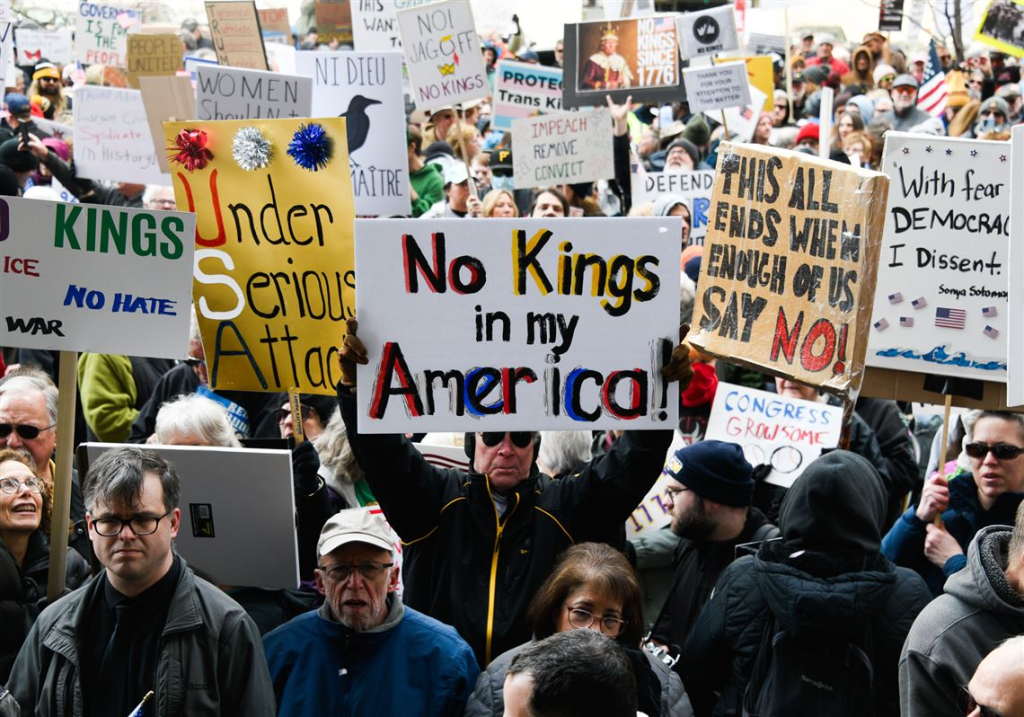
The diversity of the crowd is one of the most striking features of today’s nationwide events. Students, retirees, and professional workers are standing side by side in the freezing March rain in some regions. Many carry signs demanding an end to the war and a return to economic normalcy for families. These protests represent the culmination of months of local community organizing and digital coordination among activists. Law enforcement presence remains high in cities where the largest crowds have gathered to ensure public safety. Despite the high tension, the focus remains on the core message of economic justice and peace.
Economic triggers and the impact of the war with Iran
A flagging economy and the direct costs of military engagement serve as the primary drivers for this mobilization. Many Americans are struggling with a sudden and sharp increase in daily expenses since the war began. Gas prices have reached record highs, making daily commutes and essential logistics difficult for millions of people. The administration’s aggressive immigration enforcement blitz from last year also remains a point of deep social contention. Protesters argue that the focus on internal enforcement and foreign wars is draining vital national resources. They believe these funds should be redirected toward stabilizing the domestic economy and supporting the middle class. The current economic climate has made many citizens feel that their voices are not being heard in Washington.
Major economic and political grievances driving the protesters:
| Grievance category | Current impact on citizens | Protester demand |
| Energy costs | Gas prices reaching historic levels in March 2026 | Immediate price stabilization and energy reform |
| Global conflict | Escalating war with Iran impacting domestic safety | Withdrawal of troops and diplomatic resolution |
| Immigration | Nationwide enforcement blitz causing community fear | End to mass deportations and aggressive raids |
| Cost of living | Skyrocketing prices for basic food and housing | New economic policies to fight high inflation |
| Governance | Perception of unchecked executive power in DC | Restoration of checks and balances in government |
The struggle for financial stability has turned many previous political observers into active participants in the movement. Families are reporting that their savings are being depleted by the sudden rise in the cost of essentials. This economic pressure has created a sense of urgency that transcends traditional party lines and political affiliations. Many demonstrators emphasize that they are not just protesting against a person but against a set of outcomes. The flagging economy has left many feeling vulnerable as the administration continues to focus on foreign military objectives. Public discourse in the streets today centers heavily on the immediate need for domestic relief and stability.
Future outlook and the continuing momentum of the movement
The success of these third round protests indicates that the movement is gaining rather than losing momentum. Last year saw millions of people attend similar events, but the 2026 gatherings appear more geographically diverse. Organizers suggest that today is only the beginning of a sustained period of national political engagement. They plan to use the energy from these marches to influence upcoming local and national legislative decisions. The administration has yet to release a formal response to the massive turnout seen in the streets today. However, the sheer volume of people suggests that the government cannot easily ignore these widespread demands. As the sun sets on the East Coast, many rallies are transitioning into candlelight vigils for peace.
The long term impact of today’s events will depend on how the administration chooses to address the grievances. Public opinion polls suggest that the issues of gas prices and inflation are the most pressing for voters. Continued protests could put significant pressure on Congress to intervene in current economic and foreign policies. Activists are already planning follow up events to keep the conversation centered on the flagging economy. Today’s rallies have shown that the American public is willing to mobilize even in the most remote locations. The persistence of the No Kings movement marks a new chapter in the history of American civil protest.
Earlier we wrote about who is Leonid Radvinsky and why did the OnlyFans owner die: how the Odesa native built a top content empire