 Frank Rondel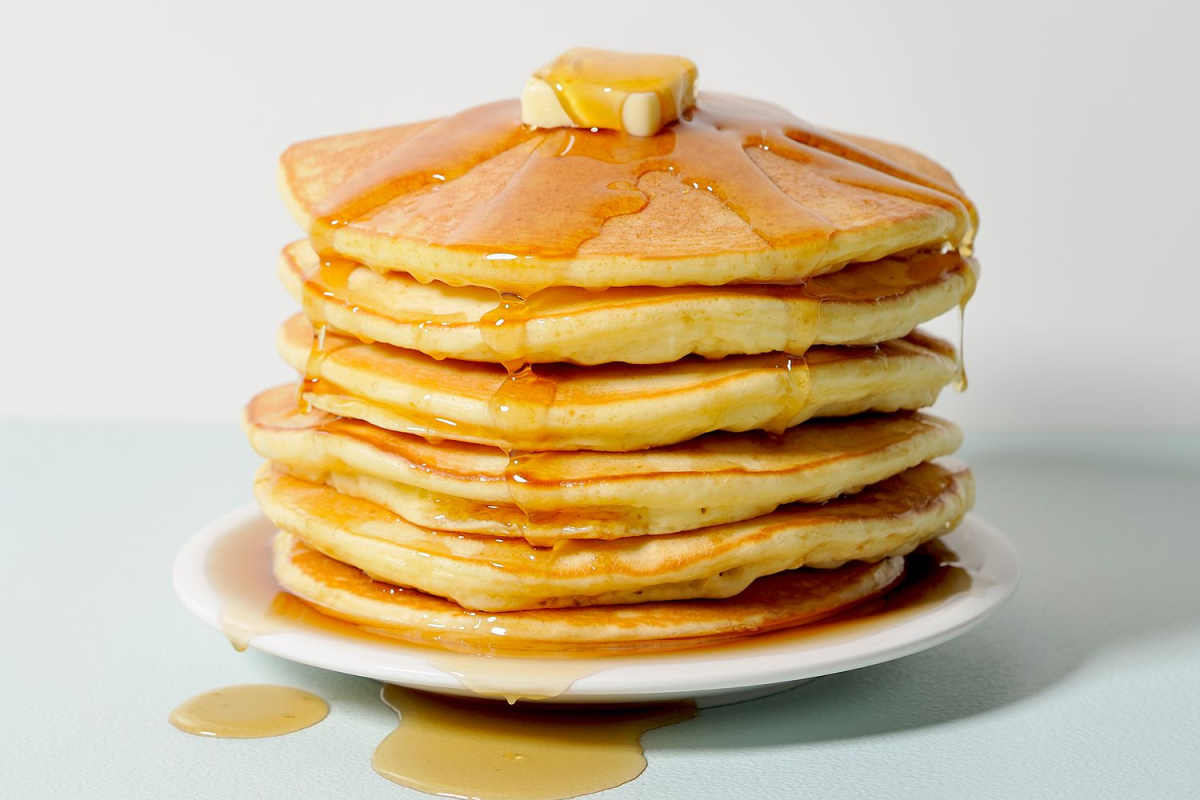
How to make pancakes from scratch is a fundamental culinary skill that transforms a simple breakfast into a gourmet experience at home. While store-bought mixes offer a shortcut, they often lack the depth of flavor and airy texture found in a traditional kitchen preparation. Mastering the art of the perfect batter allows you to control the quality of every single ingredient that touches your plate. This comprehensive guide will walk you through the essential science of leavening agents and the delicate balance of moisture. Whether you are a novice or a seasoned cook, these professional techniques ensure consistent results every time you stand at the stove. We will explore everything from heat management to the critical role of resting your batter for maximum lift. By following these expert steps, you will elevate your morning routine to a new level of domestic excellence. Authentic home cooking starts with understanding these basic ratios and the chemistry behind a golden brown crust, as noted by the editorial office of the customreceipt.com.
Why Homemade Pancakes Are Better Than Boxed Mixes
Choosing a homemade pancake recipe over a commercial boxed mix offers a significant upgrade in both nutritional value and sensory pleasure. Pre-packaged mixes frequently contain hydrogenated oils, artificial flavorings, and excessive sodium to extend shelf life on a grocery store shelf. When you prepare your own batter, you have the freedom to select high-quality butter, organic eggs, and fresh buttermilk for superior results. The cost savings are also substantial, as flour and baking powder are staples already sitting in most kitchen pantries. Control over the sweetness and texture is another reason why scratch-made versions always win the breakfast battle. You can adjust the sugar levels or swap in different fats to suit your specific dietary preferences or health goals. Most boxed brands rely on a one-size-fits-all approach that often leads to a chemical aftertaste from the heavy use of preservatives. Once you taste the delicate crumb of a fresh stack, the convenience of a box will no longer seem worth the compromise.
“The secret to a great morning is not found in a factory-sealed bag, but in the careful whisking of fresh ingredients on a quiet Saturday.”
These flapjacks offer a level of customization that industrial products simply cannot match in a home environment. You are creating a memory and a tradition rather than just consuming a processed food product for convenience.
Essential Ingredients for Perfect Pancakes from Scratch
To create fluffy pancakes with a cloud-like interior, you must assemble the correct building blocks in precise measurements before you begin. Each component plays a vital role, such as the baking powder and soda providing the necessary carbon dioxide for a high rise. Buttermilk is the preferred liquid here because its acidity reacts beautifully with the soda to create a tender, velvety crumb. If you do not have buttermilk, a simple mixture of milk and vinegar serves as a reliable substitute in a pinch.
- 1.5 cups (190g) all-purpose flour
- 2 tablespoons granulated sugar
- 2 teaspoons baking powder
- 0.5 teaspoon baking soda
- 0.5 teaspoon fine salt
- 1.25 cups buttermilk (or milk plus 1 tbsp vinegar)
- 1 large egg at room temperature
- 3 tablespoons unsalted melted butter
- 1 teaspoon pure vanilla extract
The melted butter adds a rich mouthfeel while the vanilla extract provides that classic aromatic sweetness we associate with high-end diners. Using a large egg helps bind the structure together so the cakes do not crumble when you flip them over. Salt might seem minor, but it is essential for balancing the sugar and enhancing the natural nutty flavors of the wheat. Ensure your leavening agents are fresh to guarantee that the chemical reaction occurs fully during the cooking process.
Quality ingredients are the foundation of any professional-grade meal served at the family table. Taking the time to measure by weight or level scoops ensures that your ratio of dry to wet remains perfectly balanced.
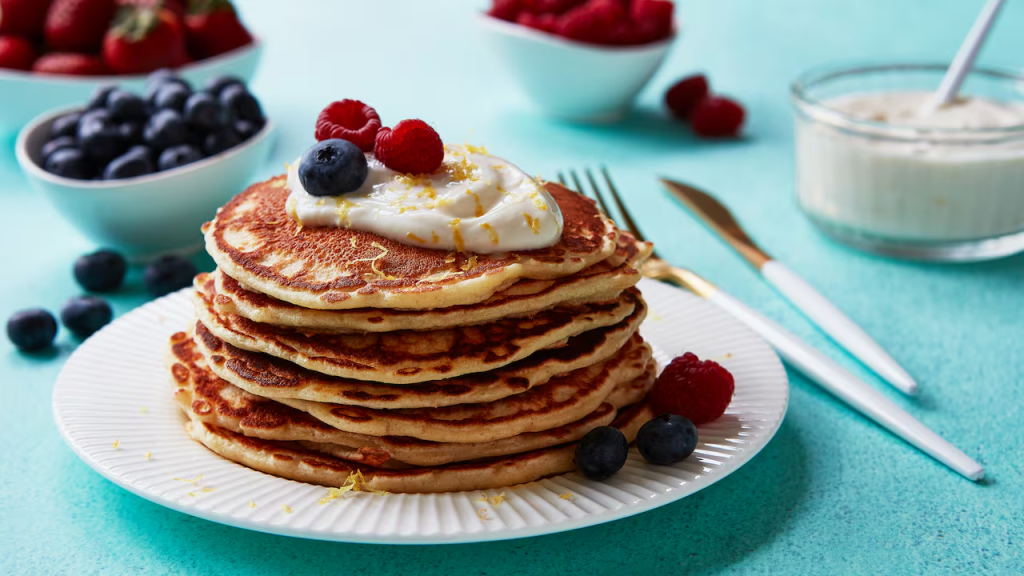
Step-by-Step Instructions for Fluffy Homemade Pancakes
Step 1: Mix Dry Ingredients
Begin by sifting your flour, sugar, baking powder, baking soda, and salt into a large mixing bowl to remove any clumps. This step is often overlooked, but it ensures that the leavening agents are distributed evenly throughout the flour for a uniform rise. A light, aerated dry mix is the first secret to achieving a professional texture that feels effortless on the fork.
Step 2: Combine Wet Ingredients
In a separate medium bowl, whisk together the buttermilk, the egg, the melted butter, and the vanilla extract until the mixture is completely homogenous. It is helpful if your liquid ingredients are not ice-cold, as this prevents the melted butter from solidifying into small chunks upon contact.
A smooth liquid base allows for easier integration without the need for aggressive stirring later in the process.
Step 3: Make the Batter
Pour the wet mixture into the dry ingredients and stir gently using a silicone spatula or a large whisk. You must stop as soon as the flour streaks disappear, even if there are several lumps remaining in the bowl. This is the most critical stage because overworking the batter develops gluten, which leads to a rubbery and tough consistency rather than a light one.
The chemistry of the batter relies on keeping the gluten strands short and relaxed.
Step 4: Heat the Pan
Place a non-stick skillet or a heavy-bottomed griddle over medium heat and lightly coat the surface with a small amount of butter or oil. You can test the temperature by dropping a small bead of water onto the surface; it should dance and sizzle immediately if the pan is ready. Maintaining a steady temperature of 190 degrees Celsius is the ideal target for achieving that iconic golden exterior.
Step 5: Cook to Perfection
Pour approximately 1/4 cup of batter for each pancake onto the hot surface, leaving enough space between them for easy flipping. Wait until you see bubbles forming on the top surface and the edges begin to look set and matte in appearance.
Flip the pancake only once and cook for an additional minute or two until both sides are perfectly browned and the center is cooked through.
Pro Tips for the Fluffiest Pancakes Every Time
Learning pancakes without mix requires a few professional secrets to ensure that every batch comes out looking like a magazine cover. One of the most effective habits is to let your batter rest for at least 5 minutes before it ever touches the heat. This allows the flour to fully hydrate and the leavened bubbles to stabilize, resulting in a much more consistent lift. Experienced chefs also know to avoid the temptation of pressing down on the cakes with a spatula while they are cooking.
- Let the prepared batter rest for 5 minutes to relax the gluten.
- Avoid pressing down on the pancakes with your spatula during the cooking process.
- Use buttermilk and eggs at room temperature for better emulsion.
- Replace your baking powder if it has been open for more than 6 months.
- Separate the egg white, whip it to soft peaks, and fold it in last.
- Keep the finished batches warm in an oven set to 95 degrees Celsius.
- Use a standard measuring cup to ensure every pancake is the same size.
- Wipe the griddle surface clean between batches to prevent burnt butter bits.
Following these small adjustments will separate a mediocre breakfast from a truly spectacular one that your guests will remember. Consistency in size and temperature is what gives professional kitchens their reputation for excellence.
By treating each step with care, you turn a simple recipe into a reliable ritual for your household. Each tip is designed to maximize the airiness of the final product while minimizing the risk of common failures.
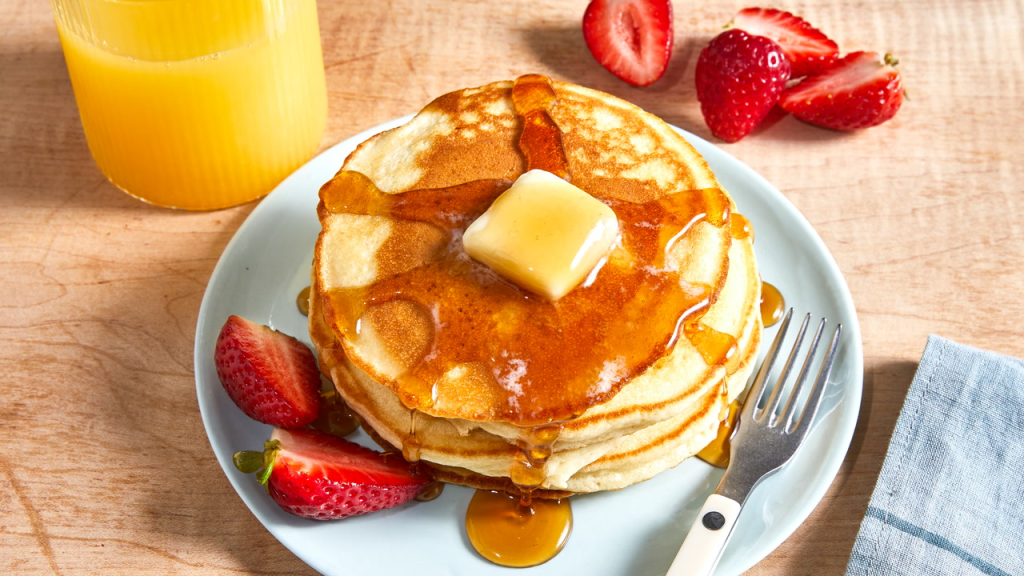
Common Pancake Mistakes and How to Fix Them
Even with the best pancake recipe, small errors in technique can lead to disappointing results if you are not careful. Understanding the “why” behind a cooking failure is the fastest way to improve your skills as a home journalist of the kitchen. Most issues stem from heat management or a misunderstanding of how leavening agents interact with the moisture in the bowl. By identifying the symptoms of a bad pancake, you can quickly pivot and adjust your strategy mid-batch.
| Problem | Cause | Solution |
| Flat pancakes | Old baking powder or overmixed batter | Use fresh leavening and stir gently |
| Brown outside raw inside | The pan temperature is too high | Lower the heat and cook for longer |
| Tough texture | Overworking the gluten in the flour | Stop mixing while lumps are still present |
| Sticking to pan | Surface not greased or too cold | Use butter and wait for the sizzle |
| Uneven cooking | Poor heat distribution in the pan | Use a heavy skillet or electric griddle |
| Bland flavor | Insufficient salt or vanilla extract | Season the batter properly with salt |
Correcting these mistakes usually requires only a small adjustment to your stove dial or a lighter touch with your whisk. If your first pancake is a disaster, do not worry; it is a common kitchen tradition that the first one is always the test. Adjust your heat based on the visual feedback the batter gives you as it hits the hot metal surface. Once you find the “sweet spot” on your specific stove, the rest of the cooking process becomes rhythmic and easy.
Delicious Pancake Variations to Try
Once you have mastered an easy pancake batter, you can begin to experiment with different flavors and textures to keep things interesting. Adding fruit or chocolate can turn a basic breakfast into a decadent treat that feels like a special occasion. It is best to add these extra ingredients after the batter is poured onto the pan to ensure even distribution. This prevents the fruit from sinking to the bottom of the bowl and creating a soggy mess.
Blueberry Pancakes
Gently fold one cup of fresh or frozen blueberries into the batter just before cooking for a classic burst of tartness. If using frozen berries, do not thaw them first, as this will bleed purple juice throughout the entire mixture.
Chocolate Chip Pancakes
Sprinkle a handful of semi-sweet chocolate chips onto the wet side of the pancake immediately after pouring it onto the griddle. This ensures that the chocolate melts perfectly without burning against the direct heat of the pan.
Banana Pancakes
Mash one very ripe banana and whisk it into the wet ingredients before combining them with the dry flour. The extra sugar in the banana will cause the pancakes to brown slightly faster, so keep a close eye on the heat.
Whole Wheat Pancakes
You can replace half of the all-purpose flour with whole wheat flour for a nuttier flavor and a boost of fiber. You may need to add an extra tablespoon of buttermilk to compensate for the higher absorption rate of whole grains.
Protein Pancakes
For an athletic twist, add one scoop of your favorite protein powder to the dry mix and slightly increase the liquid content. This creates a more filling meal that supports muscle recovery while still satisfying your cravings for comfort food.
How to Store and Reheat Leftover Pancakes
If you find yourself with extra food, storing them correctly will preserve that “just cooked” quality for several days. Allow the leftovers to cool completely on a wire rack to prevent steam from making them soggy in a closed container. You can keep them in the refrigerator for up to 4 days or freeze them for long-term storage of up to 2 months. For the best results when freezing, place a small piece of parchment paper between each layer so they do not stick together.
Reheating is a simple process that can be done in a microwave, a toaster, or a conventional oven depending on your preference. A toaster is often the best choice for restoring the slightly crisp edges that make fresh pancakes so delicious. If you are feeding a crowd, placing a tray of pancakes in the oven at 175 degrees Celsius for a few minutes works perfectly. Avoid high microwave settings for long periods, as this can make the starch structure become tough and chewy.
Frequently Asked Questions
Q: Can I make pancakes without buttermilk?
A: Yes, you can create a substitute by adding one tablespoon of lemon juice or white vinegar to a cup of regular milk. Let the mixture sit for about 5 minutes until it curdles slightly before adding it to your recipe.
Q: Can I make pancake batter the night before?
A: You can, but it is better to mix the dry and wet ingredients separately and combine them in the morning. If you mix it early, the baking powder may lose its potency, resulting in less lift during cooking.
Q: Why are my pancakes not fluffy?
A: The most frequent cause is overmixing the batter, which develops too much gluten. Always stir until just combined and ignore the lumps to ensure a light and airy interior.
Q: How do I know when to flip pancakes?
A: Watch for bubbles that pop and stay open on the surface, and check if the edges look dry and set. This usually happens after about 2 to 3 minutes of cooking on the first side.
Q: Can I use self-rising flour?
A: You certainly can, but you must omit the extra baking powder, baking soda, and salt mentioned in the recipe. Self-rising flour already contains these leavening agents in the correct proportions.
Q: Are pancakes from scratch healthier?
A: Making them yourself allows you to eliminate preservatives and artificial stabilizers found in boxed mixes. You have total control over the quality of the fats and the amount of sugar used.
Learning how to make pancakes from scratch is a rewarding journey that brings the joy of professional baking into your own home. By following these structured steps and respecting the science of the ingredients, you can produce a breakfast that rivals any high-end restaurant. There is a unique satisfaction in watching a simple batter transform into a stack of golden, steaming cakes. We encourage you to try this recipe this coming weekend and experience the difference that fresh ingredients make. Once you master this foundation, the possibilities for flavor variations are truly endless for your family.
Earlier we wrote about how to make homemade mayonnaise: Healthy life hacks for a perfect creamy sauce 2026