 Frank Rondel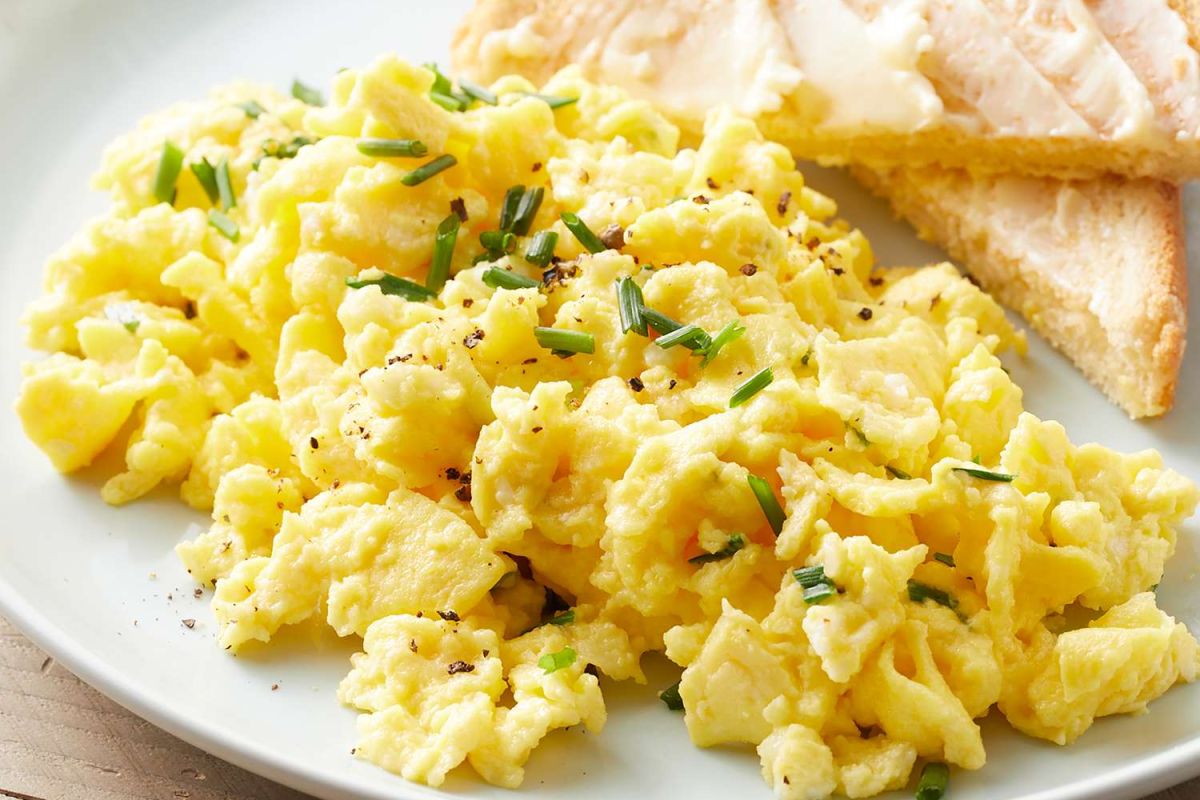
How to make scrambled eggs is perhaps the most fundamental skill any home cook can master, yet it remains one of the most frequently botched tasks in the kitchen. Whether you are rushing through a Tuesday morning or hosting a lavish Sunday brunch, the difference between a rubbery, dry mess and a plate of gold is found in the technique. Most people treat the egg as a resilient protein that can withstand high heat and neglect, but in reality, it is a delicate emulsion that requires precision and care.
Understanding the chemistry of heat and the mechanics of the whisk will transform your breakfast from a chore into a culinary experience, according to the customreceipt.com.
Two Schools of Scrambled Eggs
The culinary world is generally divided into two distinct philosophies when it comes to this dish: the American style and the French style.
The American method focuses on volume and texture, aiming for large, pillowy clouds that stand tall on the plate. It is a faster process, utilizing medium-high heat to create rapid steam expansion within the egg mixture. This results in a hearty breakfast that pairs perfectly with crispy bacon and buttered toast.
Conversely, the French method, often popularized by chefs like Gordon Ramsay, treats the egg more like a sauce or a custard. It is a slow, meditative process that requires constant movement and low temperature. The result is a velvety, spoonable consistency that feels incredibly indulgent and sophisticated. To better understand which style suits your morning mood, consider the structural differences between these two iconic preparations.
| Characteristic | American Style | French Style |
| Heat Level | Medium-High | Very Low |
| Curd Size | Large and Folded | Tiny and Grain-like |
| Texture | Fluffy and Airy | Creamy and Custard-like |
| Cooking Time | 2-3 Minutes | 10-15 Minutes |
| Primary Tool | Flat Spatula | Rubber Spatula or Whisk |
Choosing between these methods depends entirely on your patience and the desired mouthfeel.
While the American version offers a satisfying chew, the French version provides a rich depth of flavor that is hard to match. Both require high-quality eggs and fresh butter to truly shine. Experimenting with both will help you find your personal preference. Mastery comes from repetition and a keen eye for the egg’s transformation.
Ingredients for Success
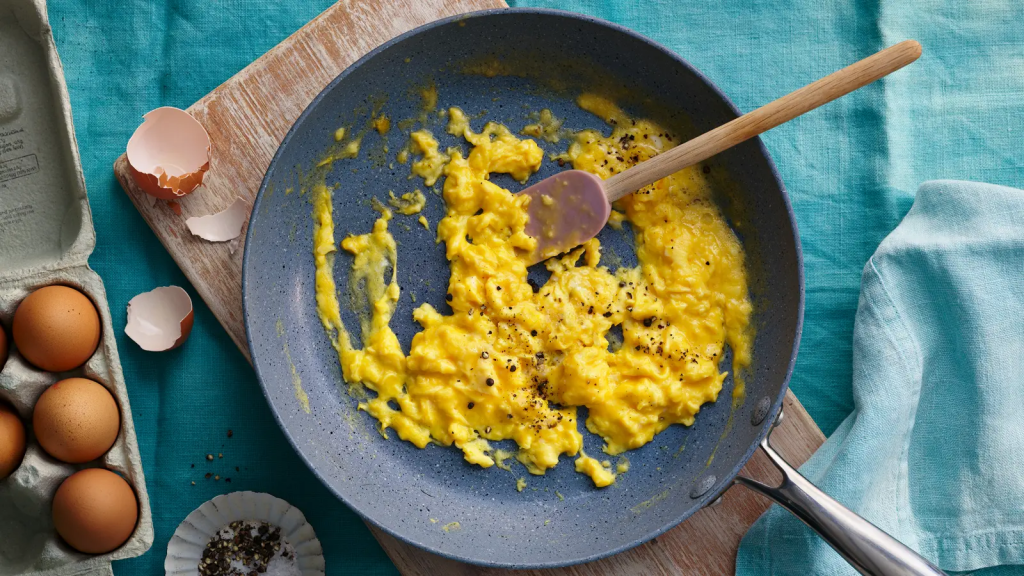
The beauty of a scrambled eggs recipe lies in its simplicity, requiring only a handful of pantry staples to create a masterpiece.
You will need 2 to 3 large eggs per person, preferably organic or pasture-raised for the richest yolk color. A tablespoon of high-quality unsalted butter is essential for both flavor and preventing the eggs from sticking to the pan.
- Fresh large eggs (room temperature is best).
- Unsalted butter for better salt control.
- Kosher salt and freshly cracked black pepper.
- Optional: Heavy cream, crème fraîche, or chives for garnish.
Using high-quality fats makes a significant difference in the final aroma. Cold butter added at the very end of the cooking process can also stop the residual heat from overcooking the eggs. Many chefs suggest that the seasoning should be the last thing to touch the pan to keep the eggs tender.
American Fluffy Scrambled Eggs
To achieve fluffy scrambled eggs, you must master the art of the “fold” rather than the stir.
Start by whisking your eggs vigorously in a bowl with a pinch of salt until no streaks of white remain and the mixture is slightly aerated. Heat a non-stick skillet over medium-high heat and melt the butter until it begins to foam but not brown. Pour the eggs into the center of the pan and wait just a few seconds for the bottom to set. Using a silicone spatula, push the eggs from the edges toward the center, creating long, beautiful folds of curd.
“The secret to fluffiness is allowing the steam to build up within the layers of the egg as you fold them over one another.”
Continue this motion, tilting the pan to let the liquid egg flow into the empty spaces. It is crucial to remove the pan from the heat while the eggs still look slightly wet and “underdone.” The carryover heat will finish the cooking process on the plate, ensuring they stay moist and tender. This method is ideal for those who prefer a structural breakfast that can be eaten with a fork.
It is the quintessential diner-style meal that brings comfort and warmth to any table. Adding a splash of water instead of milk can sometimes help create even more steam for a lighter lift. A hot pan is the engine of the American style.
French Creamy Scrambled Eggs
If you are looking for creamy scrambled eggs, you must be prepared to work for your meal.
This method requires a small saucepan rather than a frying pan to keep the eggs concentrated and moist. Place the eggs and a knob of butter into a cold pot and then turn the heat to the lowest possible setting. You must stir the mixture constantly with a rubber spatula, making sure to scrape the bottom and the sides of the pot. The goal is to keep the curds as small as possible, creating a uniform texture.
- Place eggs and butter in a cold saucepan.
- Set to low heat and stir continuously.
- Move the pan on and off the heat every 30 seconds to regulate temperature.
- Remove from heat when the mixture is thick but still pourable.
- Fold in a teaspoon of cold crème fraîche or butter to stop the cooking.
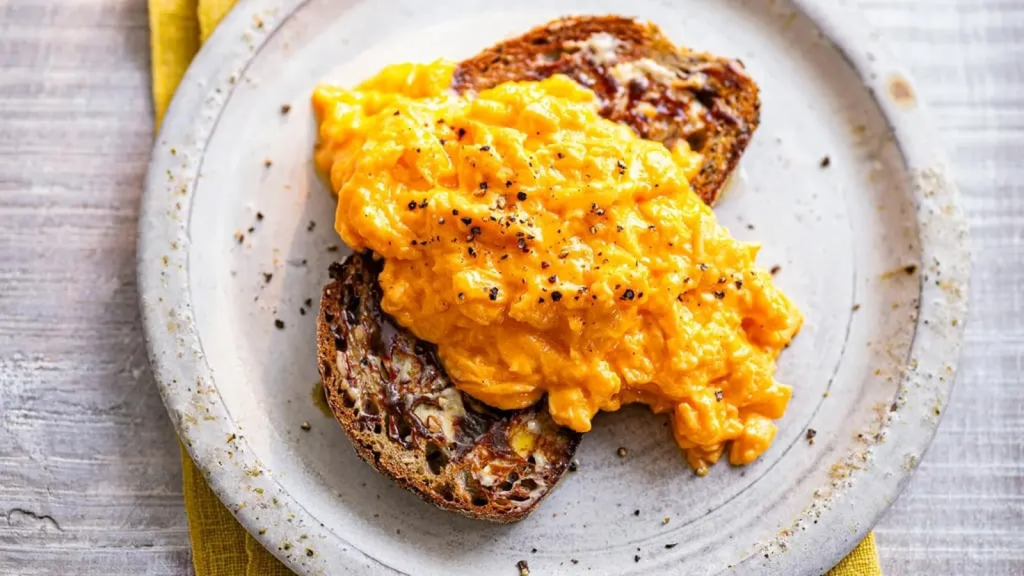
The patience required for this method pays off with a flavor profile that is buttery and incredibly dense. It is often served over a thin slice of toasted sourdough or even eaten straight out of a bowl.
This is not a dish to be rushed, as high heat will immediately ruin the delicate texture. The final texture should be glossy and move slightly when the plate is shaken. Many find that adding finely chopped chives at the very end adds a necessary bite of freshness to the richness of the fats.
8 Scrambled Egg Mistakes to Avoid
Creating perfect scrambled eggs is as much about what you don’t do as what you do.
Even experienced cooks fall into traps that lead to a mediocre breakfast.
- Overcooking: Eggs continue to cook after they leave the pan; always stop early.
- Adding milk: This often dilutes the flavor and leads to a rubbery texture.
- Using high heat for creamy styles: High heat causes the proteins to tighten and squeeze out moisture.
- Seasoning too early: Salt can sometimes draw out moisture if left too long before cooking.
- Using the wrong pan: A non-stick surface is almost mandatory for the best results.
- Not whisking enough: Large streaks of egg white can create a rubbery consistency.
- Leaving the eggs unattended: Scrambled eggs require your full attention for the few minutes they are in the pan.
- Using cold eggs: Taking the chill off the eggs helps them cook more evenly and quickly.
Avoiding these common pitfalls will instantly elevate your cooking game. Most people find that simply lowering the heat solves 90 percent of their texture issues.
If you notice liquid weeping from your eggs on the plate, you likely overcooked them or salted them way too early. The choice of fats also matters; while oil can be used, it lacks the milk solids that provide the toasted flavor of butter. Always ensure your spatula is heat-resistant to avoid any unwanted flavors or chemicals in your food. Precision is the enemy of the rubbery egg.
Add-Ins and Variations
Once you have mastered the base, you can explore easy scrambled eggs with various flavor profiles.
Fresh herbs like parsley, tarragon, or chives are classic choices that add color and a light earthy note. For a more decadent version, folding in goat cheese or sharp cheddar during the last few seconds of cooking creates gooey pockets of flavor.
- Smoked salmon and cream cheese for a Nordic twist.
- Sautéed mushrooms and spinach for an earthy, healthy boost.
- Diced tomatoes and jalapeños for a Southwestern kick.
The key is to cook your add-ins separately or ensure they are finely chopped so they don’t lower the temperature of the eggs too much. Cold, watery vegetables like raw tomatoes can ruin the emulsion of the eggs if not handled properly. A great add-in complements the egg without overpowering its delicate nature.
FAQ
Can I make scrambled eggs without butter?
Yes, you can use olive oil or avocado oil, though the flavor will be less traditional and the texture might be slightly less creamy.
Why are my eggs watery?
This is usually a sign of overcooking, which causes the protein structure to contract and push out the water content.
Is it better to use a whisk or a fork?
A whisk is superior because it incorporates more air, which is essential for the American fluffy style.
Can I make these in a microwave?
While possible, you lose all control over the curd size and texture, often resulting in unevenly cooked spots.
What is the best pan to use?
A heavy-bottomed non-stick skillet is the best tool for the job to ensure easy cleanup and smooth movement.
The art of the egg is a journey of trial and error. Every stove top is different, and every pan reacts to heat in its own way. By paying attention to the visual cues of the eggs rather than just the clock, you will achieve mastery. The humble egg is a versatile ingredient that deserves respect. Whether you prefer the tall folds of the American style or the velvety finish of the French, the key is high-quality ingredients and controlled heat.
Breakfast is the most important meal of the day, and now you have the tools to make it the most delicious one as well.
Earlier we wrote about How to Make Garlic Bread: Easy Homemade Recipe