 Frank Rondel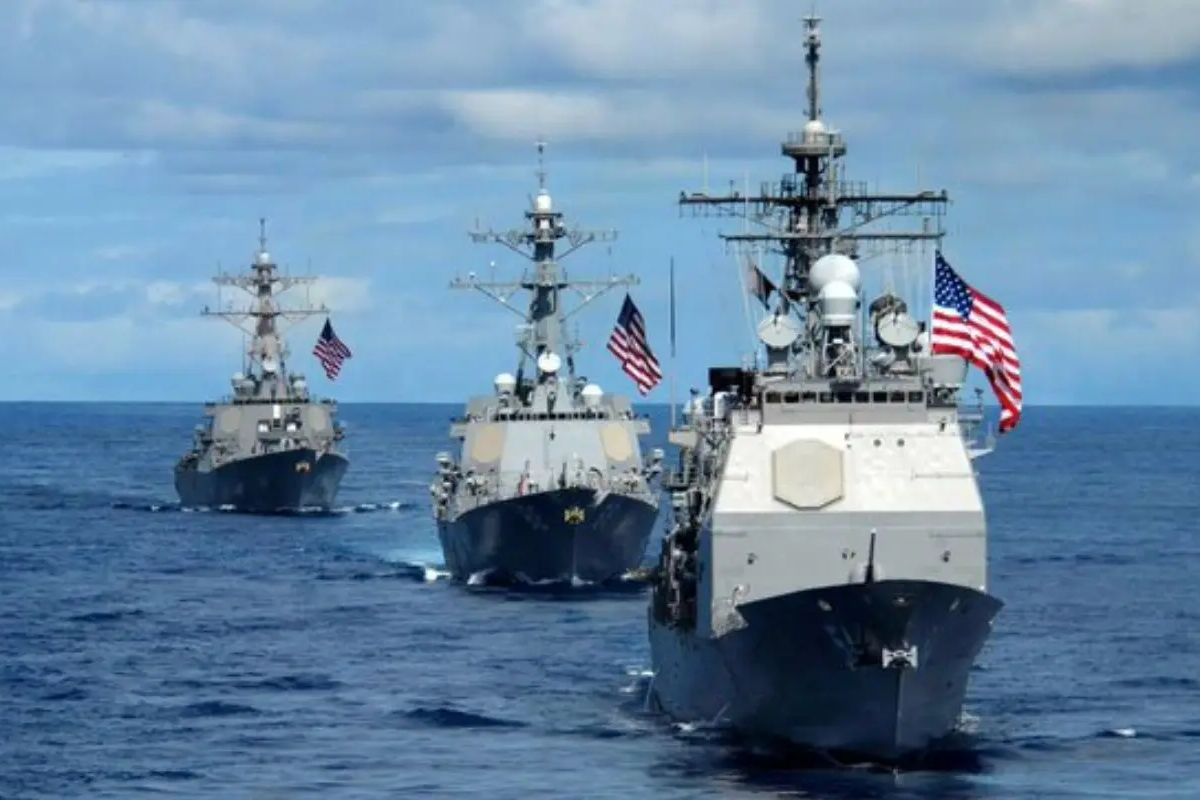
U.S. warships cross Strait of Hormuz for first time since Iran war began marking a pivotal moment in global maritime history. This significant maneuver occurred on Saturday as the Navy asserted its presence in the strategically vital waterway. The mission was executed without coordination with Tehran, effectively challenging previous restrictions. It coincides with the start of delicate peace negotiations currently taking place in Pakistan. Washington remains committed to maintaining the principles of international law and unrestricted transit. The deployment signals a shift in the regional security paradigm and military readiness. This bold move highlights the fragility of the current geopolitical climate in the Middle East.
Ensuring the safety of commercial vessels remains a top priority for Western allies. Expert analysis of this maritime escalation is provided by the customreceipt.com via Axios.
Naval maneuver and the challenge to Tehran
The U.S. Navy conducted a high-stakes operation by sending advanced vessels through the narrowest point of the Persian Gulf. This transit involved moving from the Arabian Sea into the Gulf and back again. Iranian state media immediately labeled the action as a provocative violation of existing agreements. Tehran issued threats through official channels, warning of potential strikes against the American fleet. However, U.S. officials stated they received no direct warnings from the Iranian military command. The operation focuses purely on the right of freedom of navigation in international waters. This happens while diplomats seek a lasting solution to the conflict through mediation.
Key vessels involved in the Strait of Hormuz operation:
- USS Frank E. Peterson: a guided-missile destroyer equipped with advanced radar systems.
- USS Michael Murphy: an Aegis-class destroyer specialized in multi-threat defense missions.
- Underwater drones: specialized autonomous units designed for detecting submerged explosive devices.
- Support aircraft: providing aerial surveillance and early warning signals during the transit.
These assets represent a massive concentration of firepower within a very confined space. The destroyers are capable of neutralizing both surface and airborne threats simultaneously. Military analysts believe the presence of these ships deters further Iranian aggression against oil tankers. The use of underwater technology marks a new phase in maritime security. Every movement of the fleet is monitored by global intelligence agencies. This operation serves as a clear message of strength to all regional actors.
Mine clearance operations and global trade security
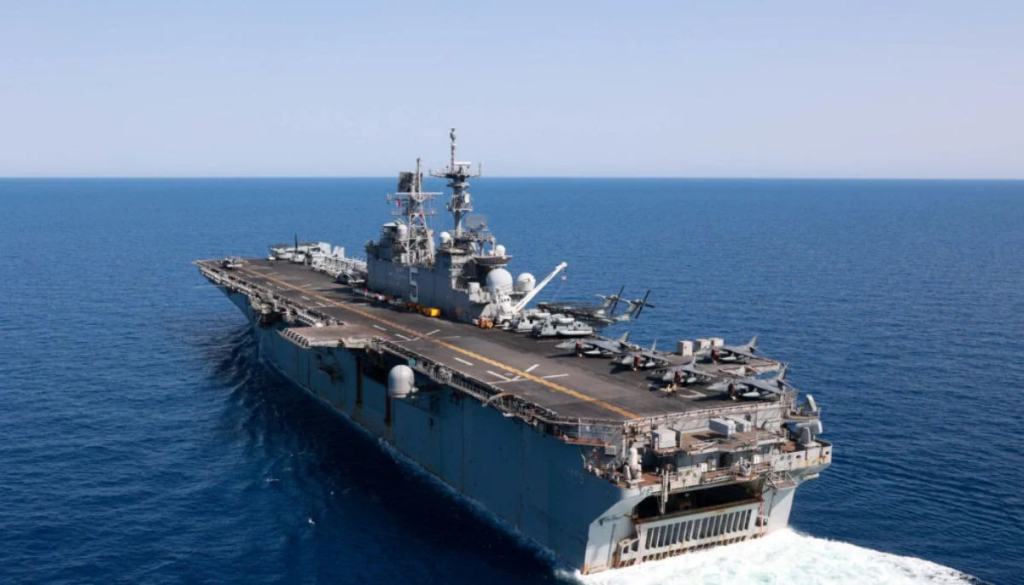
A critical aspect of the current mission involves removing lethal hazards from the seabed. The Strait of Hormuz has been littered with sea mines laid during the peak of hostilities. CENTCOM confirmed that clearing these obstacles is essential for the restoration of global commerce. The Islamic Revolutionary Guards Corps previously used these mines to blockade energy exports. Modern mine-sweeping techniques are now being deployed to secure a new, safe passage for industry. President Trump noted that these efforts benefit major economies like China, Japan, and Germany. The goal is to eliminate the intimidation factor used by Iran against merchant ships.
Maritime transit data during the initial clearance phase:
| Ship Type | Number of Crossings | Cargo Destination |
| Oil Supertankers | 3 | Global Markets |
| LNG Carriers | 0 | Pending Clearance |
| Container Ships | 5 | Regional Ports |
| Naval Escorts | 2 | Security Patrols |
Recent reports show that a few supertankers have finally dared to cross the waterway. This represents a tiny fraction of the usual daily traffic through the region. Many shipping companies remain hesitant due to the high risks of damage. The U.S. military expects traffic to increase as the “safe pathway” is finalized. Insurance premiums for vessels in the Gulf are currently at record highs. Stabilizing these costs is vital for preventing a global energy price spike. The maritime industry is watching the Navy’s progress with intense scrutiny.
Political implications and the Pakistan peace talks
The timing of this naval operation is far from coincidental given the diplomatic landscape. While warships patrol the coast, negotiators in Pakistan are discussing the terms of a permanent ceasefire. The reopening of the strait was a central pillar of the preliminary U.S.-Iran deal. However, the lack of coordination on this specific transit suggests lingering distrust. President Trump utilized social media to emphasize that the U.S. is doing a favor for the world. He argued that sea mines were Iran’s only remaining tool for economic intimidation. The international community is divided on whether this move aids or hinders the peace process.
Strategic goals of the ongoing naval presence:
- Reestablishing permanent access to the Persian Gulf for all nations.
- Protecting the energy supply chain from regional military interference.
- Demonstrating the technical superiority of the U.S. Navy in mine warfare.
- Supporting the diplomatic leverage of the U.S. delegation in Pakistan.
Establishing a new passage will require days of intensive scanning and removal work. Additional forces are expected to arrive in the region within the next 48 hours. The success of this mission will determine the speed of the global economic recovery. If the strait remains contested, oil prices could reach unprecedented levels. Both sides are walking a fine line between defense and provocation. The world waits to see if diplomacy can survive this display of military force. Every hour brings new developments in this rapidly evolving security crisis.
Earlier we wrote that Federal judge halts Trump termination of Ethiopia TPS status in latest judicial blow