 Frank Rondel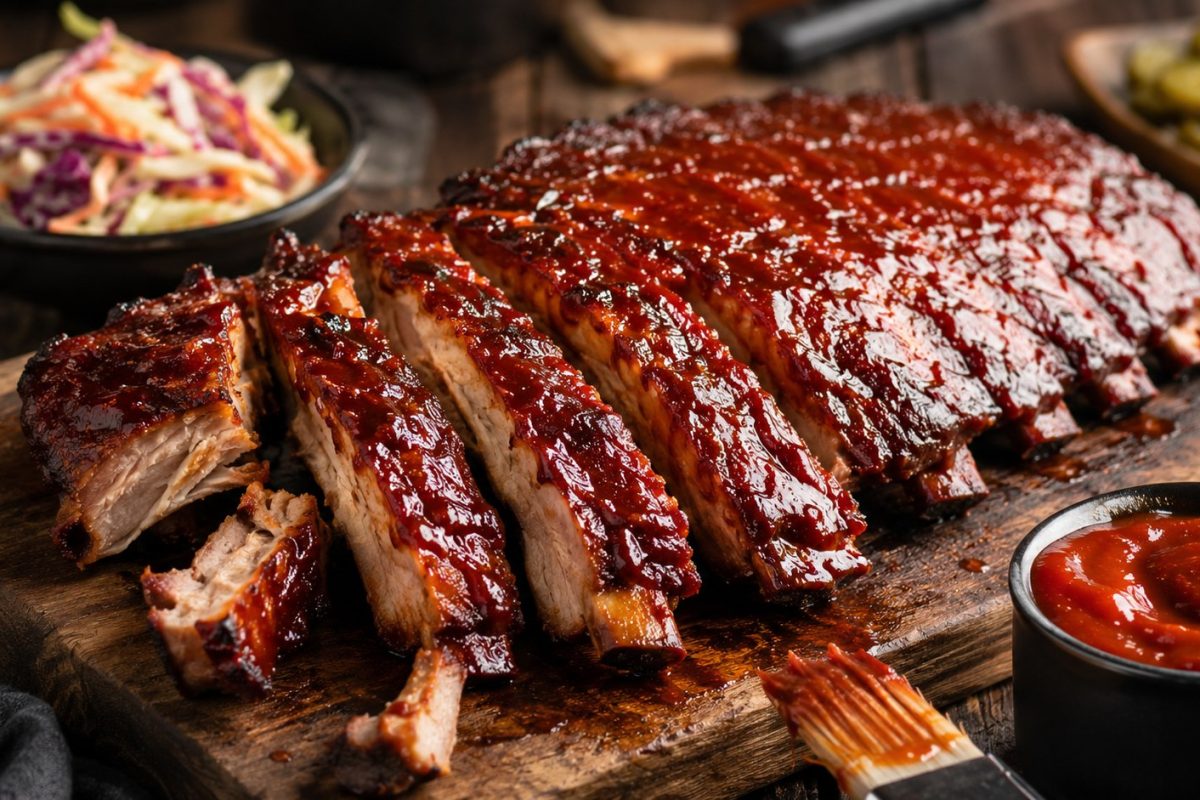
Perfect BBQ ribs do not require expensive smokers or professional grilling equipment. A regular oven, balanced seasoning, and proper cooking time are enough to produce tender meat with a caramelized crust and deep smoky flavor. Most failed recipes come from rushing the process, using excessive heat, or applying sauce too early. Slow cooking remains the key factor that transforms tough ribs into juicy meat that separates cleanly from the bone without falling apart completely, аs noted by customreceipt.com.
This guide explains how to choose the right ribs, prepare an effective marinade, cook ribs in the oven, and make a thick homemade BBQ sauce with balanced sweetness and acidity. The recipe works for beginners while still offering enough detail for experienced home cooks looking to improve texture and flavor consistency.
Food safety temperatures for pork and beef are available through the official USDA guidelines.
Choosing the Right Ribs for BBQ
Different rib cuts produce different results in texture, fat content, and cooking time. For homemade BBQ ribs, pork ribs remain the most practical option because they cook faster than beef ribs and stay tender even in a standard kitchen oven.
Types of Ribs Compared
| Rib Type | Texture | Fat Content | Average Cooking Time |
|---|---|---|---|
| Baby Back Ribs | Tender and lean | Medium | 2–2.5 hours |
| Spare Ribs | Rich and meaty | High | 3–4 hours |
| St. Louis Style | Balanced texture | Medium-High | 3 hours |
| Beef Ribs | Dense and flavorful | High | 4–5 hours |
Baby Back Ribs are often recommended for beginners because the meat cooks more evenly and requires less trimming. Spare ribs contain more connective tissue and fat, which creates stronger flavor during slow cooking. St. Louis style ribs are trimmed into a rectangular shape that cooks uniformly and looks cleaner when served. Beef ribs deliver a deeper flavor profile but need significantly more cooking time and careful heat control to avoid toughness.
Fresh ribs should appear pink with creamy white fat and no gray discoloration. Excess liquid inside the packaging usually indicates repeated freezing and thawing, which negatively affects texture during cooking.
Fans of slow-cooked meat recipes may also enjoy this guide on how to cook octopus perfectly using Mediterranean grilling techniques that rely on similar low-temperature cooking principles.
Ingredients and Marinade for Tender Ribs
A balanced marinade should enhance the meat rather than hide its flavor. Salt draws moisture deeper into the meat, sugar helps create caramelization, and acidic ingredients soften connective tissue during long cooking sessions.
Basic Ingredients
- 2 kg pork ribs
- 2 tsp salt
- 1 tsp black pepper
- 1 tbsp smoked paprika
- 1 tsp garlic powder
- 2 tbsp brown sugar
- 1 tbsp apple cider vinegar
- 2 tbsp mustard
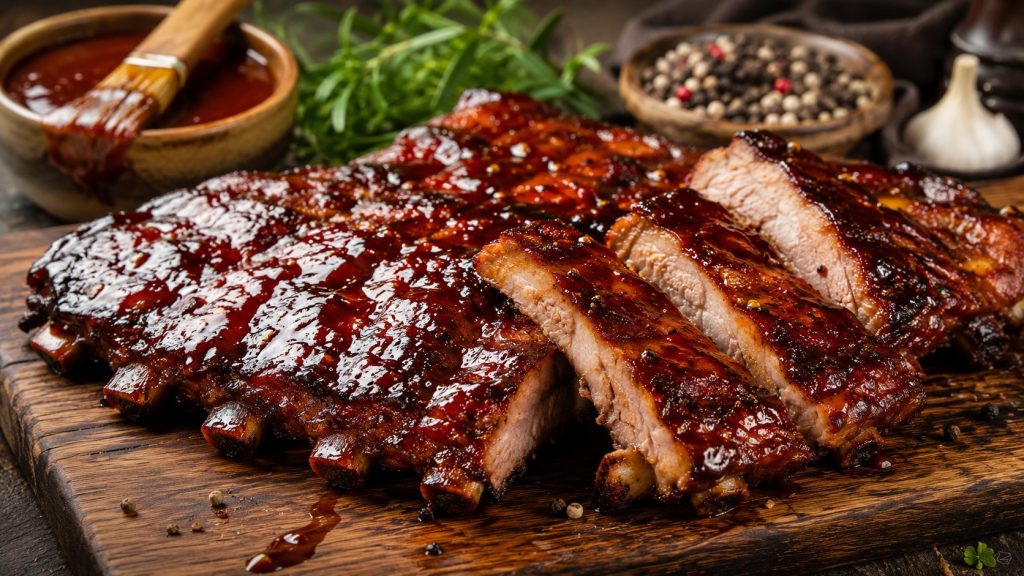
The dry seasoning should fully cover the surface of the ribs without forming thick clumps. Brown sugar helps produce a darker crust during baking, while smoked paprika creates a mild smoky aroma even without charcoal or wood smoke. Apple cider vinegar cuts through the fat and prevents the flavor from becoming too heavy.
Popular Flavor Variations
- spicy BBQ ribs with cayenne and chili flakes
- honey-glazed ribs with soy sauce
- smoky-style ribs using liquid smoke
- sweet-and-spicy ribs with paprika and brown sugar
Spicy ribs work best with balanced heat rather than excessive chili. Honey-glazed versions create a shinier finish and pair well with mustard-based dipping sauces. Smoky-style ribs benefit from liquid smoke in very small amounts because overuse quickly creates an artificial aftertaste.
Low heat and long cooking time soften connective tissue without drying the meat.
For proper marinating and refrigeration safety, the official FDA food handling recommendations explain safe storage temperatures and preparation practices for raw meat.
Those who enjoy strong spice combinations may also like this authentic Tom Yum soup recipe, which uses similar sweet, sour, and spicy flavor balancing techniques.
Preparing the Meat Before Cooking
Proper preparation affects tenderness almost as much as cooking temperature. Many home cooks skip membrane removal, but the thin layer on the back of the ribs blocks seasoning absorption and creates a chewy texture after baking.
Preparation Steps
- Remove the membrane from the back side
- Pat the ribs dry with paper towels
- Apply seasoning evenly across the surface
- Let the ribs rest at room temperature for 20–30 minutes
Removing the membrane also helps smoke and seasoning penetrate deeper into the meat fibers. Drying the ribs before seasoning improves crust formation because excess moisture slows caramelization during cooking. Letting the meat sit briefly at room temperature promotes more even internal cooking.
Dry rubs work especially well for ribs barbecue recipe variations because they form a flavorful crust during slow roasting without making the surface overly wet.
If rich barbecue meals feel too heavy, this guide on steamed chicken meatballs offers a lighter cooking alternative focused on gentle preparation methods.
BBQ ribs in oven for Consistent Results
The oven remains the most reliable cooking method for home kitchens because temperature fluctuations are easier to control compared to outdoor grills. Slow baking allows fat and collagen to break down gradually, producing tender meat while retaining moisture.
Recommended Cooking Temperatures
| Temperature | Cooking Time | Texture Result |
|---|---|---|
| 140°C / 285°F | 4 hours | Extremely tender |
| 160°C / 320°F | 3 hours | Balanced texture |
| 180°C / 355°F | 2 hours | Firmer bite |
Lower temperatures create softer meat but require patience. Higher temperatures shorten cooking time but increase the risk of dry edges and uneven texture. Wrapping ribs tightly in foil during the first stage traps steam and prevents moisture loss.
Oven Cooking Method
- Preheat the oven to 150–160°C
- Wrap ribs tightly in foil
- Bake for 2.5–3 hours
- Remove foil and apply sauce
- Bake uncovered for another 15–20 minutes
The final uncovered stage allows sugars in the sauce to caramelize and form the sticky outer layer associated with restaurant-style BBQ ribs. For smoky flavor without a smoker, smoked paprika and a small amount of liquid smoke create a convincing barbecue aroma.
BBQ sauce recipe With Balanced Sweetness
Store-bought sauces often contain excessive sugar, artificial smoke flavor, and stabilizers that overpower the meat. A homemade sauce allows better control over sweetness, acidity, and spice intensity.
Homemade BBQ Sauce Ingredients
- 200 ml ketchup
- 2 tbsp honey
- 1 tbsp Worcestershire sauce
- 1 tsp smoked paprika
- 1 tbsp apple cider vinegar
- 1 garlic clove
- 1 tsp mustard
The sauce should simmer slowly for 10–15 minutes until it thickens slightly. Worcestershire sauce deepens the savory flavor, while vinegar prevents the sauce from tasting overly sweet. Honey creates shine and improves caramelization during the final baking stage.
When to Apply BBQ Sauce
Sauce should only be added near the end of cooking because sugar burns quickly under prolonged heat exposure. Applying multiple thin layers produces a better glaze than using one thick coating.
A glossy surface and slightly sticky texture indicate the sauce is ready.
For dessert after smoky ribs, this classic homemade tiramisu recipe pairs especially well with sweet and spicy barbecue flavors.
How to cook BBQ ribs Without Common Mistakes
The majority of rib-cooking mistakes come from impatience. Tough ribs usually mean they were undercooked, while dry ribs often indicate excessive heat or poor moisture retention during baking.
Common Cooking Mistakes
- cooking at excessively high temperature
- skipping the resting period
- adding sauce too early
- repeatedly opening the oven
- using ribs with too little fat
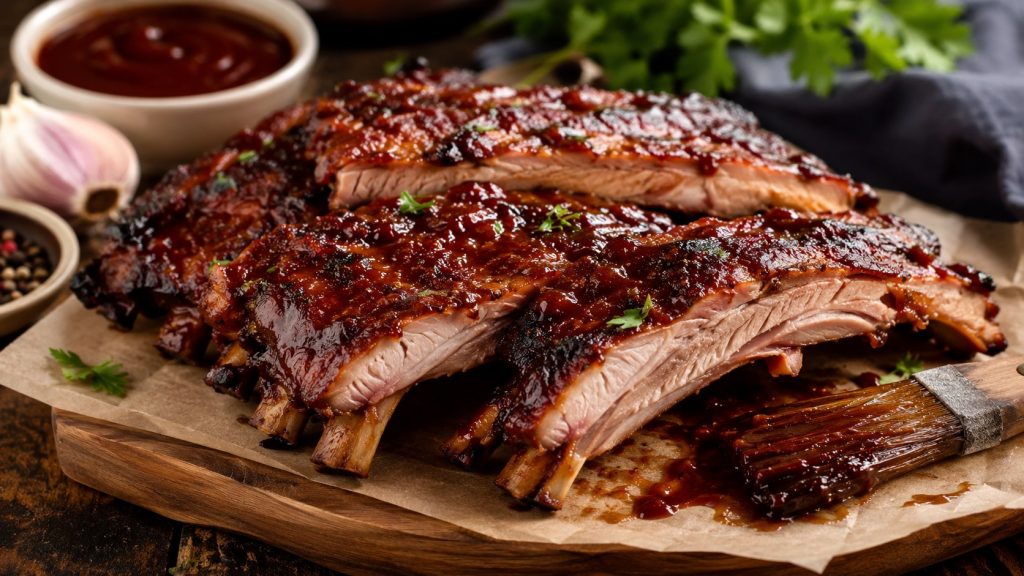
Properly cooked ribs should bend slightly when lifted with tongs while still holding their structure. If the meat instantly slides off the bone, the ribs are overcooked and have lost too much internal moisture.
If the meat falls apart before slicing, the ribs stayed in the oven too long.
Travelers interested in food preparation and catering standards may also find useful advice in this article about ordering vegetarian airline meals, which explains how large-scale meal preparation affects food quality and consistency.
Serving Ideas and Side Dishes
BBQ ribs pair best with simple side dishes that balance the richness of the meat instead of competing with it.
Recommended Side Dishes
- grilled corn
- coleslaw
- baked potatoes
- pickled onions
- baked beans
- garlic bread
Acidic side dishes such as coleslaw and pickled onions help cut through the fat content of slow-cooked ribs. Sweet baked beans and corn complement smoky flavors, while garlic bread works well for soaking up extra sauce. Honey-glazed ribs pair especially well with mustard-based dips, while spicy ribs benefit from creamy sauces that soften the heat.
FAQ
How long should ribs cook in the oven?
At 150–160°C, pork ribs usually require 2.5–3 hours for balanced tenderness and moisture retention.
Can BBQ ribs be made without a grill?
Yes. how to cook BBQ ribs in the oven is one of the easiest and most reliable methods for home kitchens.
Why do ribs become dry?
High temperatures and insufficient cooking time are the main causes of dry ribs.
What is the best rib type for beginners?
Baby Back Ribs are easier to manage because of their even thickness and naturally tender texture.
How can smoky flavor be added without a smoker?
Smoked paprika, liquid smoke, and slow cooking at low temperature help recreate traditional barbecue flavor indoors.
When should BBQ sauce be added?
Apply sauce during the final 15–20 minutes of cooking to prevent sugar from burning.
Earlier we wrote about How to Remove Sofa Stains at Home: Best Methods for Coffee, Wine, Grease, and Pet Odors