 Frank Rondel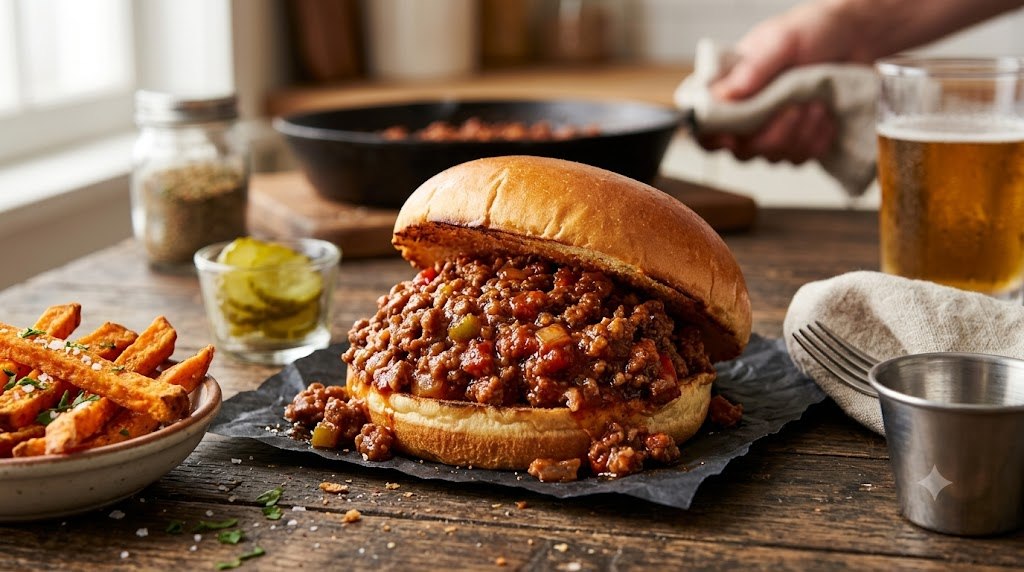
How to make Sloppy Joe begins with a hot skillet, well-browned ground beef, and a thick tomato sauce balanced with sweetness, acidity, and spice. This classic American sandwich takes about 35 minutes and uses affordable supermarket ingredients, yet careful browning separates a rich filling from a watery one, as the customreceipt.com editorial team notes.
Sloppy Joe is deliberately messy, but it should never taste careless. The filling needs enough sauce to coat the meat without flooding the bun. Onion and bell pepper should soften into the mixture, while Worcestershire sauce adds depth behind the tomato flavor.
What Is a Sloppy Joe?
A Sloppy Joe is a hot sandwich filled with crumbled ground meat cooked in a sweet and tangy tomato-based sauce. Most American versions use beef, onion, ketchup, Worcestershire sauce, mustard, and soft hamburger buns.
The sandwich is often connected with loose-meat sandwiches served in the American Midwest during the early 20th century. One widely repeated account credits a Sioux City cook named Joe, who reportedly added tomato sauce to seasoned loose beef around 1930. However, the precise origin remains disputed, and other stories link the name with restaurants in Havana and Key West.
Unlike a hamburger, the meat is broken into small pieces before serving. Unlike chili, the sauce remains thick enough to stay inside a bun.
The ideal homemade Sloppy Joe tastes savory first, then slightly sweet and acidic. It should be juicy enough to feel generous, yet firm enough to lift without a fork.
Readers planning a complete American-style meal can serve the sandwiches with crispy homemade hash browns. The potatoes provide a crisp contrast to the soft bun and saucy meat.
Ingredients for the Original Sloppy Joe Recipe
The following quantities produce 4 substantial sandwiches. Choose ground beef containing about 15% to 20% fat. Extremely lean meat can become dry before the sauce develops enough flavor.
- 1 lb, or 450 g, ground beef
- 1 tablespoon neutral cooking oil
- 1 medium yellow onion, finely diced
- ½ green bell pepper, finely diced
- 2 garlic cloves, minced
- ¾ cup ketchup
- 2 tablespoons tomato paste
- 1 tablespoon Worcestershire sauce
- 1 tablespoon yellow mustard
- 1 tablespoon brown sugar
- 1 teaspoon apple cider vinegar
- ½ teaspoon smoked paprika
- ¼ teaspoon chili powder
- ⅓ cup water or unsalted beef stock
- ½ teaspoon salt
- ¼ teaspoon black pepper
- 4 hamburger buns
- 1 tablespoon butter for the buns
The ketchup provides sweetness, acidity, and body. Tomato paste strengthens the savory base without adding excess liquid. Worcestershire sauce contributes fermented depth, while mustard prevents the filling from becoming cloying.
Brown sugar is adjustable rather than mandatory. Sweet ketchup may require only 1 teaspoon. Taste the sauce before adding more because sweetness becomes stronger during reduction.
Green bell pepper gives the filling its familiar diner character. Red pepper tastes sweeter, while poblano adds mild heat. Finely diced celery can also be added, although it is not essential.
For another filling-centered sandwich, the site’s classic Reuben sandwich recipe explains how moisture and layering affect the final texture.
Ingredient Ratios and Their Purpose
These proportions create a thick filling with enough sauce for 4 buns. The amounts can be scaled, but the balance between meat, tomato, and liquid should remain similar.
| Ingredient | Recommended amount | Purpose | Practical adjustment |
|---|---|---|---|
| Ground beef | 450 g | Main filling and savory base | Use 85/15 or 80/20 beef |
| Onion | 120–150 g | Sweetness and aroma | Dice finely for faster cooking |
| Bell pepper | 60–80 g | Fresh vegetal flavor | Replace with poblano for mild heat |
| Ketchup | 180 ml | Tomato body, sweetness, acidity | Reduce sugar when ketchup is very sweet |
| Tomato paste | 2 tablespoons | Concentration and thickness | Fry briefly before adding liquid |
| Worcestershire sauce | 1 tablespoon | Umami and fermented depth | Add another teaspoon for stronger flavor |
| Water or stock | 80 ml | Controls consistency | Add gradually rather than at once |
| Brown sugar | 1 tablespoon | Balances tomato acidity | Reduce or omit after tasting |
The ratio is more important than exact brand choices. Too much ketchup creates a sugary filling that resembles meat glaze. Too much stock requires prolonged cooking and can toughen the beef.
Tomato paste should touch the hot skillet before liquid is added. This brief frying stage removes its raw metallic edge and develops a deeper flavor.
Water produces a clean tomato profile. Beef stock tastes richer but may increase salt levels. Unsalted stock offers better control.
Taste again after reduction. Salt, vinegar, mustard, and sugar behave differently once excess water evaporates.
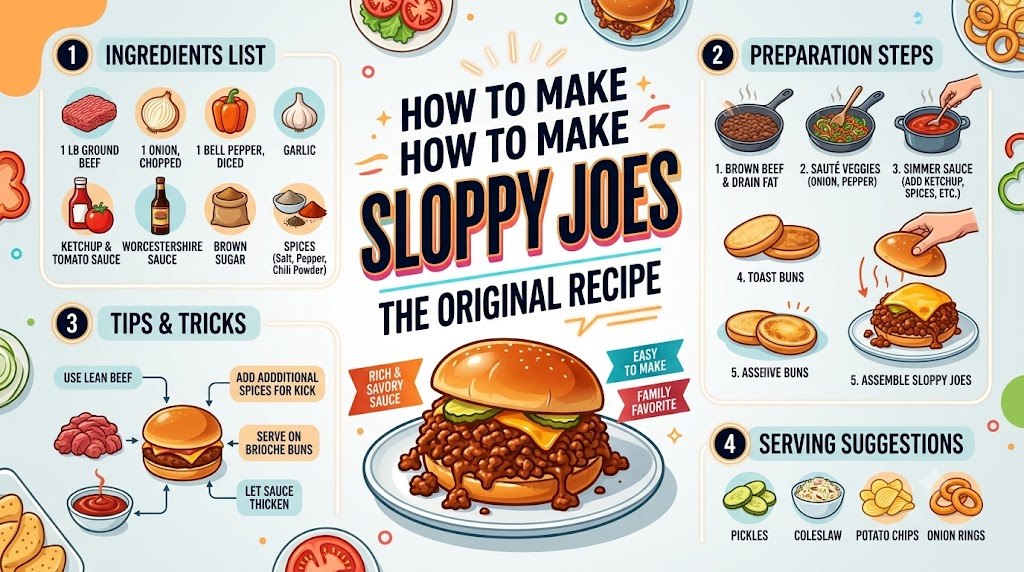
How to Make Sloppy Joe Step by Step
Prepare every ingredient before heating the skillet. The cooking process moves quickly after the beef begins browning.
- Heat a wide skillet over medium-high heat.
- Add the oil and wait until it shimmers.
- Place the ground beef in the skillet as one loose layer.
- Leave it undisturbed for 2 minutes to create browned areas.
- Break the beef into small pieces with a wooden spoon.
- Cook for another 4–5 minutes until no raw areas remain.
- Drain excessive fat, leaving about 1 tablespoon behind.
- Add the onion and bell pepper.
- Cook for 4 minutes until softened.
- Add the garlic and cook for 30 seconds.
- Stir in the tomato paste for 1 minute.
- Add ketchup, Worcestershire sauce, mustard, sugar, vinegar, and spices.
- Pour in the water or stock.
- Reduce the heat and simmer uncovered for 8–12 minutes.
- Stir occasionally until the sauce tightly coats the beef.
- Taste and adjust salt, acidity, sweetness, or heat.
- Toast the buttered buns before filling them.
- Spoon the hot mixture onto the lower buns and serve immediately.
After the liquid enters the skillet, scrape the browned residue from the bottom. These concentrated particles contain much of the beef flavor.
Do not cover the skillet during reduction. A lid traps steam and prevents the sauce from thickening. The finished mixture should briefly hold a path when a spoon crosses the pan.
Browning also requires space. A narrow pan crowds the meat and releases steam. Use a 10–12 inch skillet, or brown the beef in 2 batches.
The same temperature control matters when preparing homemade chicken nuggets, especially when building a crisp exterior without drying the center.
How to Tell When the Filling Is Ready
A reliable homemade Sloppy Joe recipe depends on texture rather than the clock alone. Burner strength, skillet width, and ketchup thickness all change the reduction time.
Look for these signs:
- The beef is evenly coated rather than floating in sauce.
- No watery liquid collects around the skillet’s edge.
- The spoon leaves a visible trail for 1–2 seconds.
- The onion and pepper feel soft but remain identifiable.
- The tomato flavor tastes cooked rather than sharp.
- The filling stays on a spoon without immediately dripping.
- The sauce does not stick or scorch on the bottom.
The filling will thicken slightly after leaving the heat. Stop cooking when it remains moist but no longer runs.
A dry mixture can be repaired with 1–2 tablespoons of water. Add the liquid gradually and stir over low heat.
A thin mixture needs more uncovered simmering. Increasing the heat aggressively may burn the sugar before enough water evaporates.
Rest the finished meat for 2 minutes before building the sandwiches. This short pause allows the sauce to settle around the beef.
The Most Important Food-Safety Rule
Ground beef must be cooked completely because grinding can distribute bacteria throughout the meat. The USDA recommends a minimum internal temperature of 160°F, or 71.1°C, measured with a food thermometer.
“Cook ground beef to a safe minimum internal temperature of 160 degrees F.”
— U.S. Department of Agriculture Food Safety and Inspection Service, official ground-beef safety guidance for home cooks.
Check the thickest area of the mixture before serving. Color alone is not a reliable measure because cooked ground beef can remain pink or become brown before reaching a safe temperature.
Use separate utensils for raw and cooked meat. Wash the cutting board, knife, hands, and nearby surfaces after handling uncooked beef.
Refrigerate leftovers promptly. Reheat them until steaming throughout rather than warming only the sauce near the pan’s surface.
How to Keep Sloppy Joe Buns From Becoming Soggy
A saucy filling needs a bun with enough structure. Soft potato rolls provide the classic texture, but they should be toasted before assembly.
Butter the cut surfaces lightly. Place them in a dry skillet for 1–2 minutes until golden. Toasting creates a thin barrier that slows sauce absorption.
Avoid filling every sandwich in advance. Assemble each portion immediately before serving, especially during parties or family dinners.
Place cheese directly on the lower bun when extra protection is needed. The melted layer helps separate the bread from the moist filling.
Several toppings can improve structure and flavor:
- Thin dill pickle slices for acidity
- Shredded cheddar for richness
- Pickled jalapeños for heat
- Coleslaw for crunch
- Crispy fried onions for texture
- Yellow mustard for sharper acidity
- Sliced avocado for a milder finish
After adding toppings, keep the portion moderate. A very tall sandwich becomes difficult to eat and pushes the filling from both sides.
Serve extra sauce in a small bowl rather than overloading each bun. Guests can add more without sacrificing the toasted crust.
Common Sloppy Joe Mistakes
Most disappointing results come from moisture problems or an unbalanced sauce. Correcting the cooking order usually matters more than buying premium ingredients.
- Stirring the beef immediately instead of allowing browning
- Crowding the skillet
- Leaving large, burger-sized pieces of meat
- Adding all the liquid before frying the tomato paste
- Using too much sugar
- Skipping vinegar or mustard
- Covering the skillet during reduction
- Serving the mixture before it thickens
- Using untoasted buns
- Leaving excessive beef fat in the pan
A gray filling usually indicates steamed beef. Heat the skillet properly and avoid constant stirring during the first minutes.
An overly sweet sauce needs acidity. Add ½ teaspoon of vinegar or mustard, stir, then taste again.
An acidic filling can be softened with brown sugar in ½-teaspoon increments. Do not add a full spoon before retasting.
If the flavor seems flat, add salt before adding more sugar. A small amount of Worcestershire sauce can also restore depth.
Sloppy Joe Variations
The classic formula adapts easily, provided the filling remains thick. Replace the protein or seasoning profile without losing the essential contrast between savory meat and tomato sauce.
| Variation | Main change | Sauce adjustment | Best topping |
|---|---|---|---|
| Turkey Sloppy Joe | Ground turkey | Add 1 tablespoon oil | Cheddar and pickles |
| Chicken Sloppy Joe | Ground chicken | Use less stock | Coleslaw |
| Spicy Sloppy Joe | Jalapeño and hot sauce | Reduce brown sugar | Pepper Jack cheese |
| Barbecue Sloppy Joe | Add smoky barbecue sauce | Reduce ketchup | Fried onions |
| Vegetarian version | Lentils and mushrooms | Add vegetable stock | Avocado |
| Tex-Mex version | Cumin, beans, and chili | Add crushed tomato | Cilantro and cheese |
Ground turkey and chicken contain less fat than standard beef. Cook them over medium heat and add oil to prevent dryness. Ground poultry should reach 165°F, or 73.9°C.
For a vegetarian version, brown chopped mushrooms before adding cooked lentils. The mushrooms provide savory depth, while the lentils create the familiar crumbly texture.
Barbecue sauce already contains sugar and vinegar. Use it as part of the ketchup amount rather than adding it separately.
Each variation should still reduce uncovered. A different protein does not change the need for a thick, spoonable sauce.
What to Serve With Sloppy Joe
The sandwich is rich, soft, and tomato-forward. Side dishes should add crunch, freshness, or acidity rather than another heavy sauce.
Good options include:
- Dill pickles or pickled vegetables
- Oven-baked potato wedges
- Coleslaw with vinegar dressing
- Corn on the cob
- Green salad
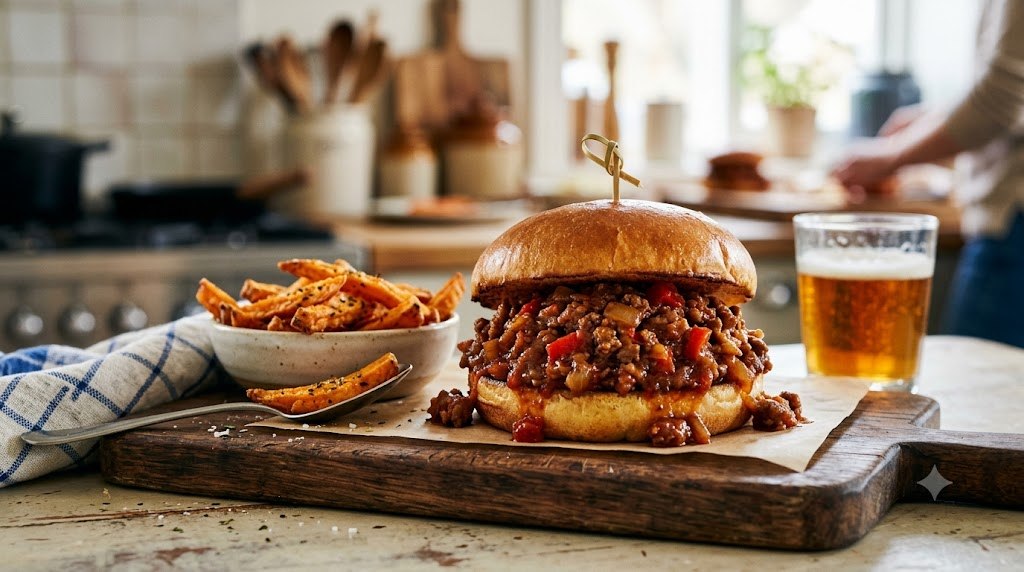
- Sweet potato fries
- Roasted broccoli
- Potato chips
- Cucumber salad
- Macaroni and cheese
Pickles remain the simplest pairing because their acidity cuts through beef and sugar. A vinegar-based slaw performs the same function while adding texture.
Potato sides work best when crisp. Avoid covering fried potatoes because trapped steam softens their surface.
For parties, keep the meat warm in a slow cooker on the lowest setting. Place buns and toppings separately so guests assemble their own sandwiches.
Stir the filling occasionally and add a splash of water when it becomes too thick. Do not leave cooked meat at room temperature for extended periods.
Storage, Freezing, and Reheating
Cool leftover filling before transferring it into a shallow airtight container. Refrigerate it promptly and keep the buns separately.
The filling keeps well for 3–4 days in the refrigerator. It can also be frozen for about 2–3 months without major texture loss.
To freeze it, divide the cooled mixture into meal-sized portions. Remove excess air from freezer bags and label each package with the date.
Thaw frozen Sloppy Joe filling overnight in the refrigerator. Reheat it in a skillet over medium-low heat with 1–2 tablespoons of water.
The microwave also works for small portions. Cover the container loosely, stir halfway through heating, and ensure the center becomes fully hot.
Never freeze assembled sandwiches. The sauce enters the bun during thawing and creates a wet, fragile texture.
FAQ
What is the original Sloppy Joe made from?
The classic version contains ground beef, onion, tomato sauce or ketchup, Worcestershire sauce, mustard, seasonings, and a hamburger bun.
How long does it take to make Sloppy Joe?
Preparation takes about 10 minutes. Browning and simmering require another 20–25 minutes.
Can I make Sloppy Joe without Worcestershire sauce?
Yes. Replace it with soy sauce, steak sauce, or a mixture of soy sauce and vinegar. The flavor will change slightly.
Why is my Sloppy Joe filling watery?
The skillet may be crowded, the sauce may contain excessive liquid, or the mixture may need more uncovered simmering.
Can Sloppy Joe be made ahead?
Yes. The filling often tastes stronger the next day. Store it separately from the buns and reheat it gently.
What ground beef is best for Sloppy Joe?
Ground beef with 15% to 20% fat provides good flavor and moisture. Drain excessive rendered fat before adding the sauce.
Can I use tomato sauce instead of ketchup?
Yes, but add sugar, vinegar, and extra seasoning. Ketchup supplies all 3 elements in one ingredient.
How much meat is needed per person?
Allow about 110–115 g of raw ground beef per adult sandwich. Smaller portions work when several side dishes are served.
Should Sloppy Joe buns be toasted?
Yes. Toasting improves flavor and creates a barrier that prevents the sauce from immediately soaking into the bread.
What temperature should Sloppy Joe meat reach?
Ground beef should reach 160°F, or 71.1°C. Ground chicken or turkey should reach 165°F, or 73.9°C.
Earlier we wrote about What to Cook in a Hotel Room With a Microwave and Mini Fridge: 15 Easy Meal Ideas