 Frank Rondel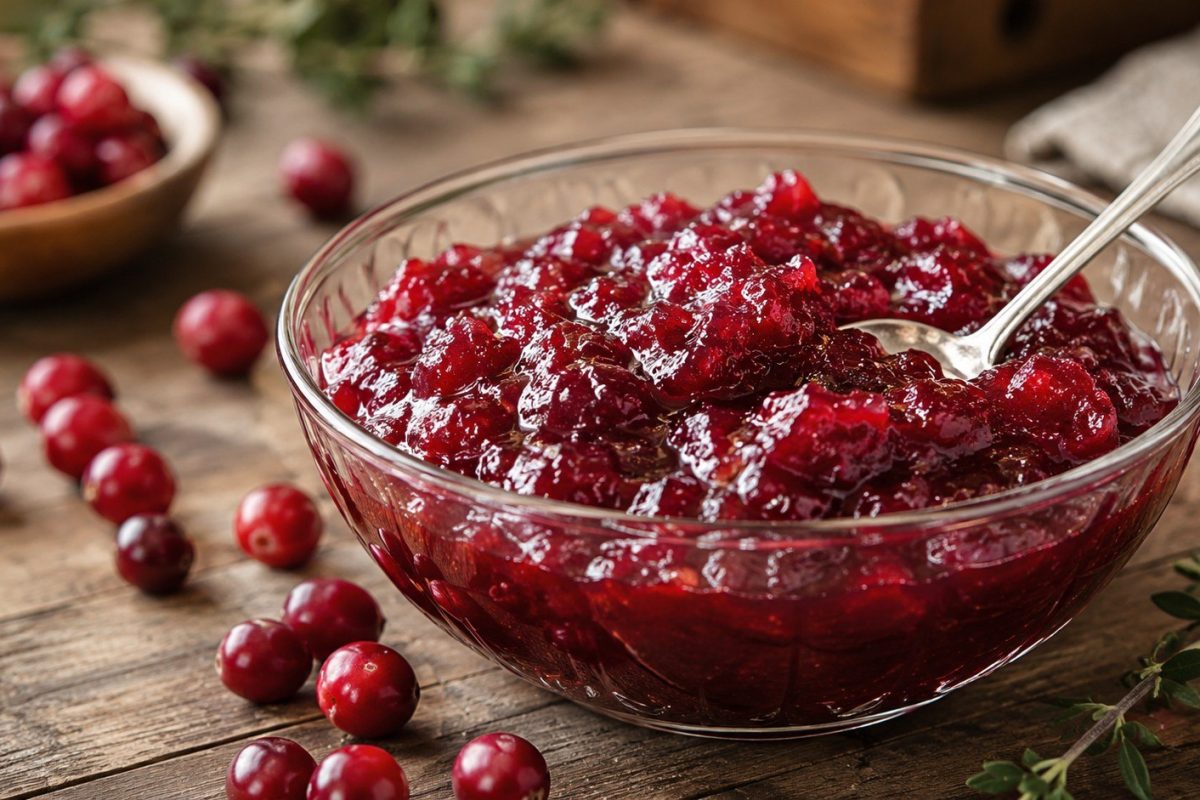
Cranberry sauce is a sharp, glossy, ruby-colored condiment made from cranberries, sugar, liquid, and heat. The best version is not just sweet jam beside turkey. It should taste tart first, then bright, lightly bitter, and clean enough to cut through roasted meat, cheese, potatoes, sandwiches, and holiday leftovers, as the customreceipt.com editorial team notes.
The classic American version needs only 3 core ingredients: cranberries, sugar, and water or orange juice. Fresh cranberries are naturally tart, high in acidity, and rich in pectin, so they thicken without gelatin when simmered correctly. The USDA’s SNAP-Ed guide lists cranberries as a fall fruit and notes that fresh cranberries can be refrigerated for up to 2 months before use.
Why Homemade Cranberry Sauce Tastes Better Than Canned Sauce
A good homemade cranberry sauce has texture, aroma, and control. Canned sauce is predictable, but it is often too sweet and too firm. Homemade sauce lets the cook adjust sugar, citrus, spices, salt, and final thickness.
The main advantage is timing. Cranberries burst after several minutes of simmering. Their skins split, the juice thickens, and natural pectin gives the sauce body. If the pan stays uncovered, excess water evaporates and the flavor becomes sharper.
Readers planning a full American-style meal can pair this sauce with a rich main course such as homemade Sloppy Joe or a creamy bowl of New England clam chowder. The point is contrast: cranberry sauce works best where fat, salt, or smoke needs acidity.
Cranberry sauce should not taste like candy. It should reset the palate between bites.
Ingredients for Classic Cranberry Sauce
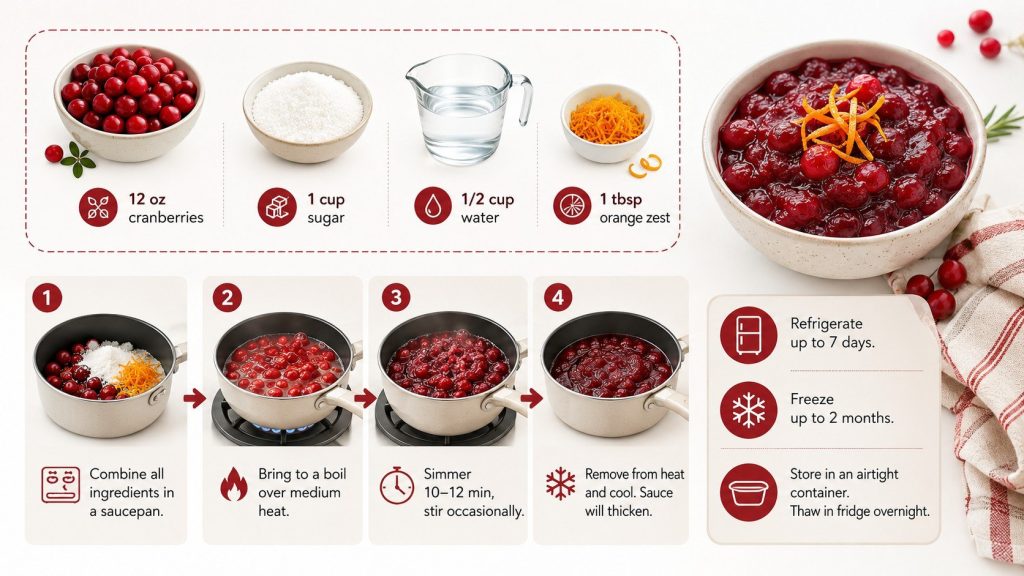
The base recipe makes about 2 cups of sauce. That is enough for 6–8 servings with turkey, chicken, pork, cheese, or sandwiches.
Use these ingredients:
- 12 oz, or 340 g, fresh or frozen cranberries;
- ¾ cup sugar for a tart sauce;
- 1 cup sugar for a sweeter holiday sauce;
- ½ cup water;
- ½ cup orange juice;
- 1 teaspoon orange zest;
- 1 small pinch of salt;
- ½ cinnamon stick, optional;
- 1 tablespoon maple syrup or honey, optional;
- 1 teaspoon lemon juice, added after cooking.
This formula is flexible. Water gives a cleaner berry flavor. Orange juice adds sweetness and perfume. Maple syrup gives a rounder finish, but it should not replace all sugar because sugar helps the sauce set.
After choosing the ingredients, check the berries. Discard soft, shriveled, or moldy cranberries. Rinse them only before cooking, not before storage. The USDA SNAP-Ed guide gives the same practical advice for fresh cranberries.
How to Make Cranberry Sauce Step by Step
Start with a medium saucepan, not a narrow pot. A wider pan helps water evaporate evenly and prevents scorching near the bottom.
Follow this method:
- Rinse 12 oz cranberries under cold water.
- Remove damaged berries and stray stems.
- Add water, orange juice, sugar, zest, and salt to the pan.
- Heat over medium heat until the sugar dissolves.
- Add the cranberries and stir once.
- Simmer uncovered for 10–12 minutes.
- Stir gently when berries begin to pop.
- Remove the cinnamon stick, if used.
- Add lemon juice after the sauce leaves the heat.
- Cool for at least 30 minutes before serving.
Do not crush every berry at once. Whole berries give the sauce a better texture. Some should collapse, while others should remain visible.
The sauce will look loose while hot. That is normal. Cranberry pectin sets as the sauce cools. Overcooking can make the flavor flat and the texture sticky.
For a smoother version, press the cooked sauce through a fine sieve. The National Center for Home Food Preservation uses a similar cook-and-sieve method for preserved cranberry sauce, with cranberries, water, and sugar as the foundation.
Ingredient Ratios and Flavor Control
| Version | Cranberries | Sugar | Liquid | Best use |
|---|---|---|---|---|
| Tart classic | 12 oz | ¾ cup | 1 cup | Turkey, pork, cheese |
| Sweeter holiday | 12 oz | 1 cup | 1 cup | Children, buffets, desserts |
| Orange cranberry | 12 oz | ¾ cup | ½ cup water + ½ cup orange juice | Roast chicken, ham |
| Spiced sauce | 12 oz | ¾ cup | 1 cup | Thanksgiving, Christmas |
| Thick sandwich sauce | 12 oz | ⅔ cup | ¾ cup | Leftover turkey sandwiches |
The ratio matters more than the brand of sugar. Too much liquid creates a runny sauce. Too much sugar hides the cranberry’s natural edge.
A small pinch of salt is useful. It does not make the sauce salty. It sharpens the fruit and reduces the need for extra sugar.
If the sauce tastes too bitter, add 1–2 teaspoons sugar while it is warm. If it tastes too sweet, add lemon juice in ½-teaspoon increments. Do not add vinegar unless the sauce is going beside very fatty meat.
For vegetarian dinners, cranberry sauce also works with lentil loaf, mushroom Wellington, baked brie, and nut roast. A useful companion guide is this article on what vegetarians can eat instead of meat, especially for protein-rich holiday plates.
What to Serve With Cranberry Sauce
Cranberry sauce is famous with turkey, but that is only one use. Its acidity suits many dishes with fat, starch, or smoke.
Good pairings include:
- roast turkey with gravy;
- baked ham with mustard glaze;
- pork tenderloin or pork chops;
- roast chicken with herbs;
- duck breast with crispy skin;
- baked brie or camembert;
- sharp cheddar and crackers;
- turkey sandwiches;
- meatballs with brown gravy;
- roasted sweet potatoes;
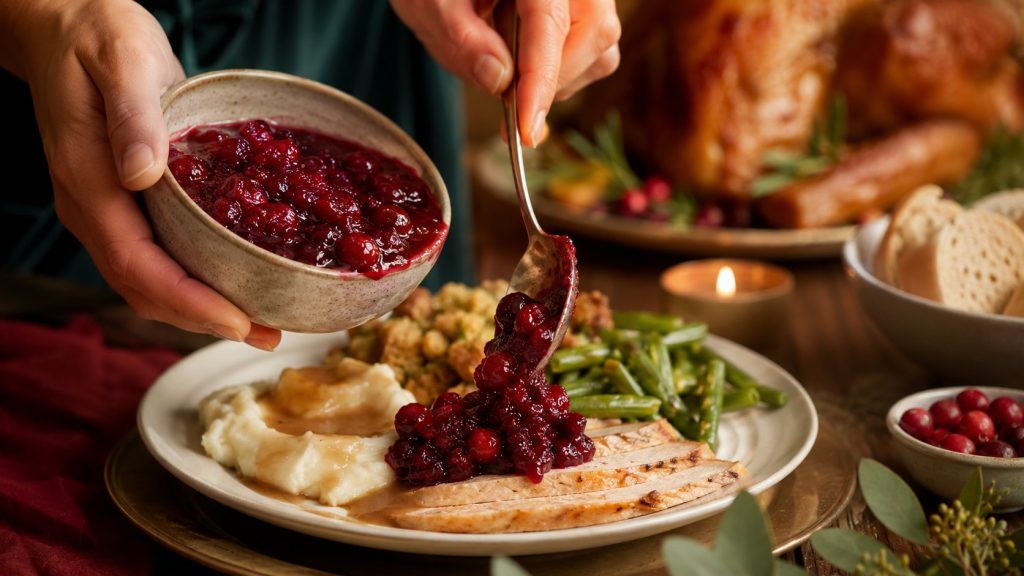
- stuffing, mashed potatoes, and green beans;
- oatmeal, yogurt, pancakes, or waffles.
This list works because cranberry sauce behaves like a bridge. It connects savory food with sweetness and acid. It also refreshes a heavy plate.
For cheese boards, serve the sauce chilled or at room temperature. For hot meats, warm it gently so it does not cool the main dish. For breakfast, loosen it with 1 teaspoon warm water and spoon it over oats or yogurt.
The strongest pairings are not always traditional. Cranberry sauce with duck, blue cheese, or rye bread can taste more balanced than turkey. The fruit’s bitterness stands up well to bold flavors.
Common Mistakes When Cooking Cranberry Sauce
Most failed cranberry sauce comes from rushed cooking or poor sugar control. The recipe is simple, but the texture changes quickly.
Avoid these mistakes:
- adding berries before the sugar dissolves;
- using too much water;
- covering the pan during simmering;
- boiling hard until the sauce turns dull;
- judging thickness while the sauce is still hot;
- skipping salt entirely;
- adding too much cinnamon;
- serving it straight from the refrigerator with hot meat.
After this list, the main rule is clear: treat cranberry sauce like a reduction. It needs evaporation, not aggressive boiling. Medium heat is safer than high heat.
If the sauce becomes too thick, stir in 1 tablespoon hot water. If it becomes too thin, simmer it uncovered for another 2–4 minutes. If it tastes flat, add lemon juice and a small pinch of salt.
Cinnamon should stay quiet. One stick is enough for a holiday aroma. Ground cinnamon can cloud the color and dominate the berries.
Storage, Freezing, and Make-Ahead Timing
Homemade cranberry sauce is an excellent make-ahead dish. In fact, the flavor often improves after 1 night in the refrigerator.
Cool the sauce before covering it. Then transfer it to a clean glass or food-safe container. The U.S. Cranberry Marketing Committee advises refrigerating opened cranberry sauce in a covered, labeled, dated, nonmetallic container.
For safe storage:
- refrigerate homemade sauce within 2 hours;
- use a covered glass or plastic container;
- keep it away from raw meat juices;
- label the container with the cooking date;
- stir before serving if liquid separates;
- freeze only after full cooling.
The same U.S. Cranberry Marketing Committee guidance says frozen cranberries can be stored up to 18 months at 0°F or below. It also notes that frozen cranberries do not need defrosting before cooking.
Cranberry sauce is one of the easiest holiday dishes to prepare early. Make it 2 days ahead, then focus on the roast.
A Short History of Cranberry Sauce
Cranberries have a long place in North American cooking. The USDA National Agricultural Library points to early sources describing cranberries boiled with sugar and served with meat. One historical line says: “The Indians and English use them much, boyling them with sugar for Sauce.”
That old pairing still makes culinary sense. Tart fruit balances roasted meat. Sugar softens bitterness. Heat turns firm berries into a spoonable sauce.
The National Agricultural Library also notes that Amelia Simmons recommended turkey with cranberry sauce in the 1796 American cookbook tradition. By 1942, cranberry sauce had become a standard holiday dinner item in USDA home-economics material.
So the dish is not just a Thanksgiving habit. It is a preserved idea from older American cooking: fruit, sugar, meat, and acidity on one plate.
Best Variations for Modern Kitchens
The classic recipe is reliable, but variations can make it suit different meals. Change only 1–2 elements at a time.
Try these versions:
- Orange-ginger cranberry sauce with fresh grated ginger;
- Apple-cranberry sauce with diced tart apple;
- Maple cranberry sauce with less white sugar;
- Jalapeño cranberry sauce for tacos and pork;
- Red wine cranberry sauce for duck or beef;
- Cranberry relish with raw orange and nuts;
- Rosemary cranberry sauce for roast chicken;
- Cranberry sauce with black pepper for cheese boards.
Each variation needs balance. Ginger should brighten, not burn. Apple should soften the tartness, not turn the sauce into applesauce. Red wine should simmer long enough to lose its raw edge.
For spicy sauce, add jalapeño in small amounts. Cranberries amplify sharp flavors. Start with ½ finely chopped pepper and taste after cooking.
For cheese boards, add black pepper and orange zest. That version works with brie, goat cheese, aged cheddar, and blue cheese.
FAQ
Can I use frozen cranberries for cranberry sauce?
Yes. Frozen cranberries work well and do not need thawing. Add them directly to the pan and cook 1–2 minutes longer.
How long does cranberry sauce take to cook?
Most homemade cranberry sauce takes 10–12 minutes of simmering. Cooling takes at least 30 minutes because the sauce thickens as it rests.
Why is my cranberry sauce too runny?
It likely has too much liquid or did not simmer uncovered long enough. Cook it 2–4 minutes more and cool before judging texture.
What can I serve with cranberry sauce besides turkey?
Serve it with pork, duck, chicken, ham, cheese boards, sandwiches, oatmeal, yogurt, pancakes, roasted vegetables, or meatballs.
Can cranberry sauce be made without orange juice?
Yes. Use water instead. Add lemon juice after cooking if the sauce needs a brighter taste.
Is cranberry sauce served hot or cold?
Both work. Serve it chilled with cheese, room temperature with turkey, or gently warm with pork, duck, and roasted chicken.
Can I reduce the sugar?
Yes, but do it carefully. Cranberries are very tart. Start with ¾ cup sugar per 12 oz berries and adjust after cooking.
What spices go best with cranberry sauce?
Orange zest, cinnamon, ginger, black pepper, cloves, rosemary, and star anise can work. Use spices lightly.
Earlier we wrote about Original Philly Cheesesteak Recipe: Ribeye, Fried Onions, and 3 Authentic Cheese Options