 Frank Rondel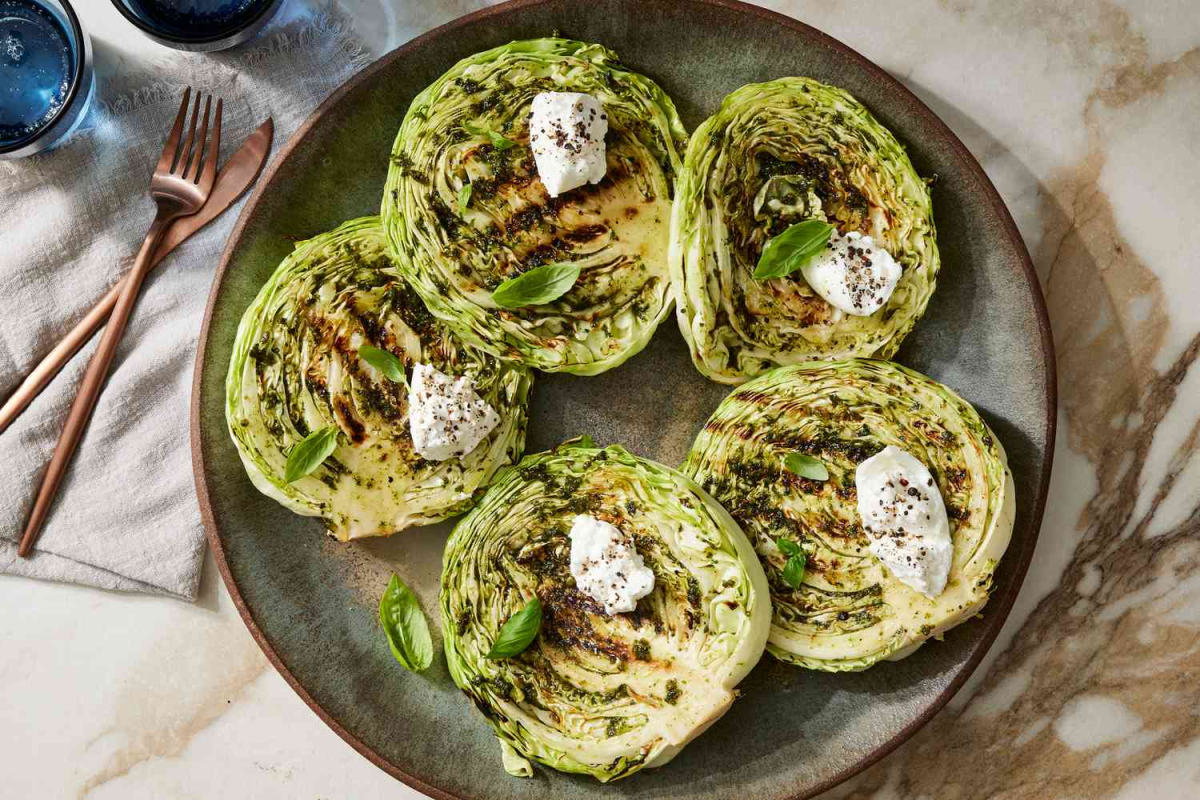
Cabbage steaks have recently transformed from a simple side dish into a massive culinary trend across America. This winter hit has taken over social media platforms and professional kitchens from New York to Los Angeles. The secret lies in the incredible caramelization that occurs when high heat meets the natural sugars of the vegetable. Many home cooks prefer this method because it requires minimal preparation and very few expensive ingredients. You can serve them as a main plant based course or as a sophisticated garnish for meats. Experts suggest using green or red cabbage to achieve the best texture and visual appeal during roasting. The dish is not only delicious but also fits perfectly into low carb and ketogenic dietary patterns. Modern food bloggers highlight how spices can completely change the flavor profile of this humble winter staple. Detailed instructions on mastering this trending recipe are provided by the customreceipt.com.
Why cabbage steaks are dominating the American winter menu
The rise of cabbage steaks as a culinary phenomenon is linked to the growing interest in vegetable forward dining. Chefs in top US restaurants are rediscovering the versatility of common cruciferous vegetables during the colder months. When sliced into thick rounds, the cabbage retains a meaty texture that satisfies the appetite effectively. This cooking technique prevents the vegetable from becoming mushy, which is a common problem with traditional boiling methods. Using an oven set to high heat creates crispy edges that contrast beautifully with the tender center. Many families appreciate that this dish costs less than five dollars to prepare for a whole group. It is a budget friendly way to add nutritional value to any evening meal this winter.
Seven reasons to try cabbage steaks this season:
- Low calorie density makes them an ideal choice for healthy weight management.
- High fiber content supports digestive health and keeps you feeling full longer.
- Rich in vitamin C and K which are essential for immune support in winter.
- Preparation takes less than ten minutes before the tray goes into the oven.
- The recipe is naturally gluten free and easily adapted for vegan diets.
- Cabbage is one of the most affordable vegetables available in local markets.
- Leftovers can be easily chopped and added to salads or breakfast bowls.
The simplicity of these steaks allows for endless experimentation with different oil bases and dry spice rubs. Most recipes suggest using extra virgin olive oil or melted avocado oil for the best roasting results. Adding a pinch of smoked paprika or cumin can give the dish a Mediterranean or Mexican twist. You should always ensure that the slices are at least one inch thick to maintain their structural integrity. Thinner slices might burn too quickly or fall apart when you try to flip them on the pan. Serving them with a squeeze of fresh lemon juice helps to brighten the earthy flavors of the vegetable.
Mastering the roasting technique for the perfect golden crust
The key to a successful cabbage steak lies in the temperature control and the seasoning process. Most professional kitchens in the United States use a temperature of two hundred degrees Celsius for roasting. This high heat ensures that the exterior becomes golden brown while the core remains slightly al dente. Placing the steaks on a parchment lined baking sheet prevents sticking and makes cleanup much easier later. You should avoid overcrowding the pan to allow hot air to circulate freely around each individual slice. This ensures that every edge becomes as crispy as possible during the twenty minute baking time.
Essential ingredients for the classic American version:
| Ingredient | Quantity | Purpose |
| Fresh green cabbage | One medium head | The main structural component of the dish |
| Olive oil | Three tablespoons | Promotes browning and carries the flavor of spices |
| Garlic powder | One teaspoon | Adds a savory depth without burning like fresh garlic |
| Sea salt | To taste | Enhances the natural sweetness of the roasted vegetable |
| Black pepper | Half a teaspoon | Provides a mild heat and aromatic complexity |
| Grated parmesan | Two tablespoons | Creates a salty and crispy crust on top |
After the first fifteen minutes of roasting, it is often beneficial to flip the steaks carefully. This ensures even browning on both sides and prevents the bottom from becoming too dark or bitter. Many people choose to add the parmesan cheese only during the last five minutes of the cooking process. This prevents the cheese from burning while still allowing it to melt into a delicious golden crown. If you prefer a vegan version, nutritional yeast can be a great substitute for the dairy cheese. The result is a savory and satisfying dish that surprises even the most dedicated meat lovers. Serve it immediately while the edges are still at their peak crispiness for the best experience.
Creative topping ideas and serving suggestions for dinner
While the basic recipe is excellent, adding creative toppings can elevate cabbage steaks to a restaurant quality meal. In the USA, many people are now experimenting with bold sauces like tahini dressing or spicy sriracha mayo. Chopped nuts such as walnuts or pecans add a necessary crunch that complements the soft roasted leaves. You can also sprinkle fresh herbs like parsley or dill over the finished steaks for a burst of color. Some chefs even top them with a poached egg to turn the dish into a complete breakfast.
Five popular topping combinations used in trending recipes:
- Toasted pine nuts and a drizzle of balsamic glaze for a gourmet touch.
- Crumbled feta cheese and dried oregano for a classic Greek flavor profile.
- Crispy bacon bits and a touch of maple syrup for a savory sweet balance.
- Miso ginger dressing and toasted sesame seeds for an Asian inspired version.
- Sour cream and chives to mimic the flavors of a loaded baked potato.
These variations show how a single head of cabbage can become the base for many different meals. You can easily adapt the flavor to match whatever else you are serving that night. For a more filling meal, consider serving the steaks over a bed of quinoa or mashed potatoes. The juices from the roasted cabbage act as a natural sauce for the grains or starches. Most home cooks find that one medium cabbage produces about six thick and satisfying steaks for the family. This makes it an incredibly efficient way to feed a large group of people on a budget.
Earlier we wrote about how to choose quality sausage: best types, ingredients to look for and health tips.