 Frank Rondel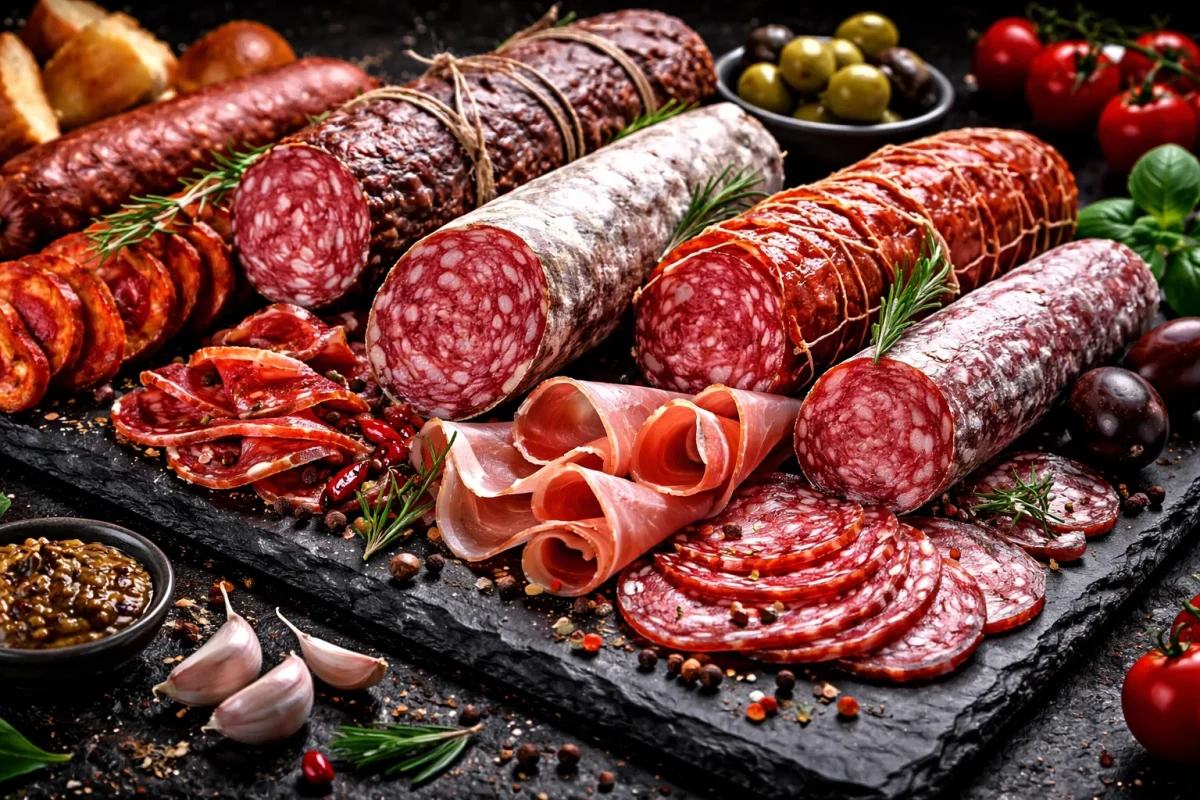
How to choose quality sausage is a critical skill for any health conscious consumer navigating the modern grocery store. The vast variety of processed meats often hides low quality ingredients behind attractive packaging and clever marketing slogans. A truly high quality product should consist primarily of meat rather than fillers or chemical flavor enhancers. Understanding the production process and labeling requirements helps you distinguish between premium charcuterie and industrial substitutes. You should always start by examining the physical appearance and the casing of the product on the shelf. The smell and texture provide immediate clues about the freshness and the percentage of natural ingredients used. Expert butchers recommend looking for a short list of ingredients without excessive artificial preservatives or coloring agents. Many traditional varieties rely on time tested curing methods that preserve both flavor and nutritional value naturally. Making an informed choice at the deli counter ensures a better culinary experience and protects your family, as noted by the customreceipt.com via topflop.pl.
Understanding the different types of sausage varieties
The world of sausages is divided into several main categories based on the moisture content and production method. Raw sausages like salami or chorizo undergo a long fermentation and drying process that develops deep flavors. Boiled sausages such as mortadella or classic frankfurters are cooked at high temperatures and have a smooth texture. Semi smoked and hard smoked varieties combine cooking with natural wood smoke for a distinctive aroma and longer shelf life. Each category has its own specific standards for fat content and meat quality that you should recognize. Premium producers often use heritage breeds of pork or beef to ensure superior marbling and taste profiles. Cheap industrial versions frequently substitute high quality muscle meat with mechanically separated poultry or vegetable proteins. Knowing these differences allows you to match the right product to your specific cooking needs or serving style.
Key criteria for evaluating a quality sausage before purchase:
- The casing should be tight and adhere closely to the meat without any air pockets.
- Natural casings made from animal intestines are a sign of higher quality traditional production.
- The color of the meat should be natural and not unnaturally bright or neon pink.
- White spots on the surface of dry sausages are usually natural cultures and not a defect.
- The smell should be pleasantly meaty and smoky without any acidic or chemical notes.
- The texture must be firm and elastic rather than soft, mushy or excessively greasy.
- Slices should hold their shape and not fall apart when handled or folded.
A firm texture indicates that the producer used real meat fibers instead of starch or soy protein. If a sausage feels too soft when pressed, it likely contains a high percentage of water and thickeners. Natural spices like peppercorns, garlic or nutmeg should be visible in many traditional recipes. Avoid products that leave an oily film on your fingers or have a strong artificial aroma. Professional tasters look for a balanced flavor where the meat is the star and spices are supporting. Checking the shelf life is also essential as natural products usually have shorter expiration dates. Always store your purchase in the correct temperature range to maintain its quality and safety.
Examining labels and hidden ingredients for better health
Reading the ingredient list is the most reliable way to identify a truly premium processed meat product. European and American standards require producers to list ingredients in descending order of their weight in the recipe. The first ingredient must be a specific type of meat like beef, pork, turkey or chicken. Be wary of terms like meat by products or poultry meal which indicate lower quality scrap materials. High quality sausages usually contain more than seventy percent of actual meat according to industry standards. Excessive amounts of salt, sugar and sodium nitrite are common in mass market products to extend shelf life. Some manufacturers add carrageenan or starch to increase the weight of the product by holding extra water. These additives dilute the nutritional value and often affect the overall taste and digestive comfort.
Common ingredients and their impact on sausage quality:
| Ingredient | Purpose in production | Quality indicator |
| Sodium Nitrite | Preserves color and prevents bacteria | Use is standard but should be minimized |
| Meat content | Provides protein and primary flavor | Should be over seventy percent of total |
| Soy protein | Used as a cheap filler and binder | Sign of lower quality industrial product |
| Natural spices | Enhances taste and aroma naturally | Preferred over artificial flavorings |
| Starch or flour | Holds water and increases volume | High amounts indicate a low meat ratio |
Products with a very long list of chemical additives are generally less healthy and lower in quality. Starch is often used to mask the use of low grade meat or excessive fat in the mixture. Natural smoke is far superior to liquid smoke flavorings which can sometimes leave a bitter aftertaste. You should look for labels that specify the origin of the meat and the absence of antibiotics. Small batch producers often avoid common allergens like gluten or dairy which are used as binders in factories. Premium sausages may cost more per kilogram but they provide more protein and less chemical waste. Investing in quality over quantity is a better strategy for maintaining a balanced and healthy diet. High meat content means you will feel full longer after consuming a smaller portion of the product.
Professional tips for storage and serving charcuterie
Once you have selected a high quality sausage, proper handling is necessary to preserve its delicate flavor profile. Dry cured meats should be stored in a cool and well ventilated place or the refrigerator. Boiled or smoked varieties must always be kept under refrigeration to prevent the growth of harmful bacteria. When serving, it is often best to bring the sausage to room temperature to release the full aroma. Slicing the meat thinly allows the fats to melt slightly on the tongue for a better experience. Avoid buying pre sliced packages if possible as the meat oxidizes quickly and loses its original moisture. A whole piece of sausage will always stay fresh for a longer period in your home kitchen. Using a sharp knife ensures clean cuts without tearing the delicate meat fibers or the casing.
Practical advice for maintaining sausage freshness at home:
- Wrap the cut end of the sausage in parchment paper rather than plastic wrap.
- Never store sausages near strong smelling foods like onions or open cheese varieties.
- If the surface becomes slightly slimy or smells sour, discard the product immediately.
- Do not freeze high quality dry sausages as this destroys the delicate cell structure.
- Keep boiled sausages in their original vacuum packaging until the moment of consumption.
- Check the refrigerator temperature regularly to ensure it stays below four degrees.
Proper storage prevents the fat from becoming rancid and keeps the spices tasting fresh and vibrant. If you notice white salt crystals on the surface of a dry salami, this is normal and safe. However, any green or black spots are a sign of spoilage and should be taken seriously. Natural casings can sometimes be eaten but synthetic ones must be removed before serving to guests. High quality meat deserves respect in the kitchen and should be paired with good bread and mustard. Sharing a platter of well chosen meats is a classic way to enjoy food with friends. Your knowledge of quality indicators will make you a more confident shopper and a better host.
Earlier we wrote about how to make tiramisu: authentic Italian recipe, secret tips and classic ingredients.