 Frank Rondel
How to check silver jewelry is a question that haunts many estate sale hunters and sentimental gift recipients alike. You might have inherited a vintage necklace or bought a shiny souvenir while traveling abroad. The glimmer of a precious metal can be deceiving to the untrained eye. Authenticity is not just about value but also about skin safety and long-term durability. Many alloys masquerade as fine silver using clever plating techniques that fool casual observers. Understanding the chemical and physical properties of the metal is essential for any serious collector. To ensure you are not being scammed, you need reliable validation methods. Genuine silver possesses unique characteristics that are difficult for base metals to replicate perfectly. As noted by the customreceipt.com via school1slavutych.org.ua, verifying your valuables at home is the first step toward professional appraisal.
Look for the Hallmark of Authenticity
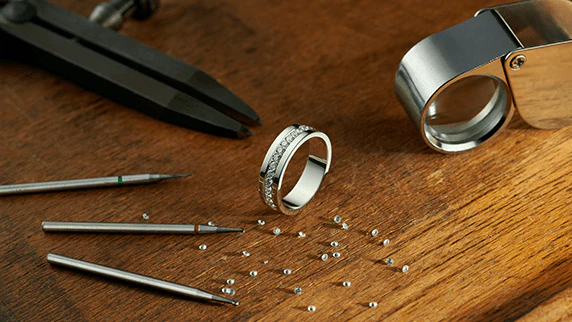
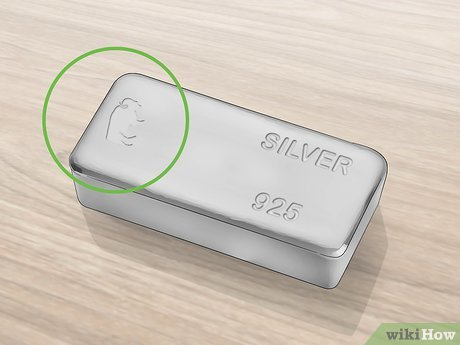
The first step in any investigation is a visual inspection for official stamps or markings. Silver is a soft metal, so it is almost always mixed with copper for added strength. The standard for sterling silver is 92.5 percent purity, which is why you see the 925 mark. Other common marks include “Ster” or “Sterling” stamped in inconspicuous places like clasps. However, older pieces might lack these marks entirely despite being genuine silver. Counterfeiters have also become skilled at stamping “925” on silver-plated brass items. Therefore, a hallmark is a great sign but not a definitive guarantee of quality. You should use a magnifying glass to check for wear and tear. If you see a different color metal underneath the scratches, it is likely plated.
“A hallmark is merely the beginning of the story, not the final word on a piece’s soul,” says antique expert Marcus Thorne.
Before moving to chemical tests, you should perform a simple physical assessment of the item’s weight and sound. Real silver has a specific density and a distinct acoustic profile when tapped. It should feel substantial but not overly heavy like lead or too light like aluminum. Collectors often use a simple wooden chopstick to tap the item gently. A high-pitched, bell-like ring that lasts for a few seconds indicates high purity levels. Dull thuds usually suggest that the core is made of a base metal alloy. This simple auditory check can save you from purchasing obvious fakes at flea markets.
| Testing Method | Expected Result for Real Silver | Difficulty Level |
| Magnet Test | No attraction (Paramagnetic) | Very Easy |
| Ice Cube Test | Rapid melting of the ice | Easy |
| Bleach Test | Immediate blackening/tarnishing | Moderate |
| Sound Test | Long, high-pitched ringing tone | Easy |
| Nitric Acid | Creamy white or cloudy reaction | Professional |
The magnet test is the most famous way to quickly filter out magnetic fakes. Silver is paramagnetic, meaning it does not stick to a strong neodymium magnet. If your jewelry leaps toward the magnet, it contains a significant amount of iron or nickel. However, some non-magnetic metals like lead or copper can still be used as a core. This is why the ice test is a fascinating secondary method to try. Silver has the highest thermal conductivity of any metal on the periodic table. If you place an ice cube on a silver coin, it melts instantly. It feels as if the ice is sitting on a hot stove rather than cold metal.
Chemical Reactions and Surface Analysis
If the physical tests leave you in doubt, chemical indicators provide more definitive evidence of metal composition. One of the simplest “kitchen chemistry” tests involves using common household liquid bleach. When a tiny drop of bleach touches real silver, it oxidizes almost immediately. This reaction creates a black tarnish that can be easily polished off later. If there is no reaction, you are likely dealing with stainless steel or rhodium plating. Be careful to only test a small, hidden area to avoid damaging the aesthetics. This method is highly effective for testing thick chains or heavy rings.
- Hold a strong neodymium magnet at a forty-five degree angle.
- Place your silver coin or flat bar on the slanted surface.
- Watch the speed at which the silver item slides down.
- Real silver should slide slowly due to electromagnetic braking.
- Fast sliding indicates a non-conductive base metal or plating.
- Always clean the item thoroughly before starting any chemical test.
- Use a jeweler’s loupe to inspect the edges for any peeling.
The slide test works because silver creates a tiny magnetic field that opposes the magnet. This phenomenon is known as Lenz’s Law and is a favorite among bullion collectors. If the jewelry is too small for a slide, try the “smell test” instead. Real silver should not have a distinct metallic or “penny-like” odor. A strong scent of sulfur or brass usually indicates a high concentration of base alloys. Most people find that high-quality silver remains neutral to the nose even when handled frequently. These sensory details help build a complete profile of the item’s metallurgical identity.
Silver is a silent witness to history, carrying the patina of time without losing its intrinsic worth.
Following these tests, you should evaluate the overall craftsmanship and price point of the item. Authentic sterling silver is a commodity with a global market price that fluctuates daily. If a vendor is selling a heavy “silver” chain for five dollars, it is physically impossible. Quality craftsmanship also includes smooth soldering joints and high-quality clasps that do not break easily. Cheap fakes often have rough edges or visible seams from a casting mold. Take the time to compare your item with a known piece of silver. Professional appraisal is always recommended for items with high sentimental or historical value.
Earlier we wrote about best faux fur coats in Boston: where to buy cheap and how to style them in 2026.