 Frank Rondel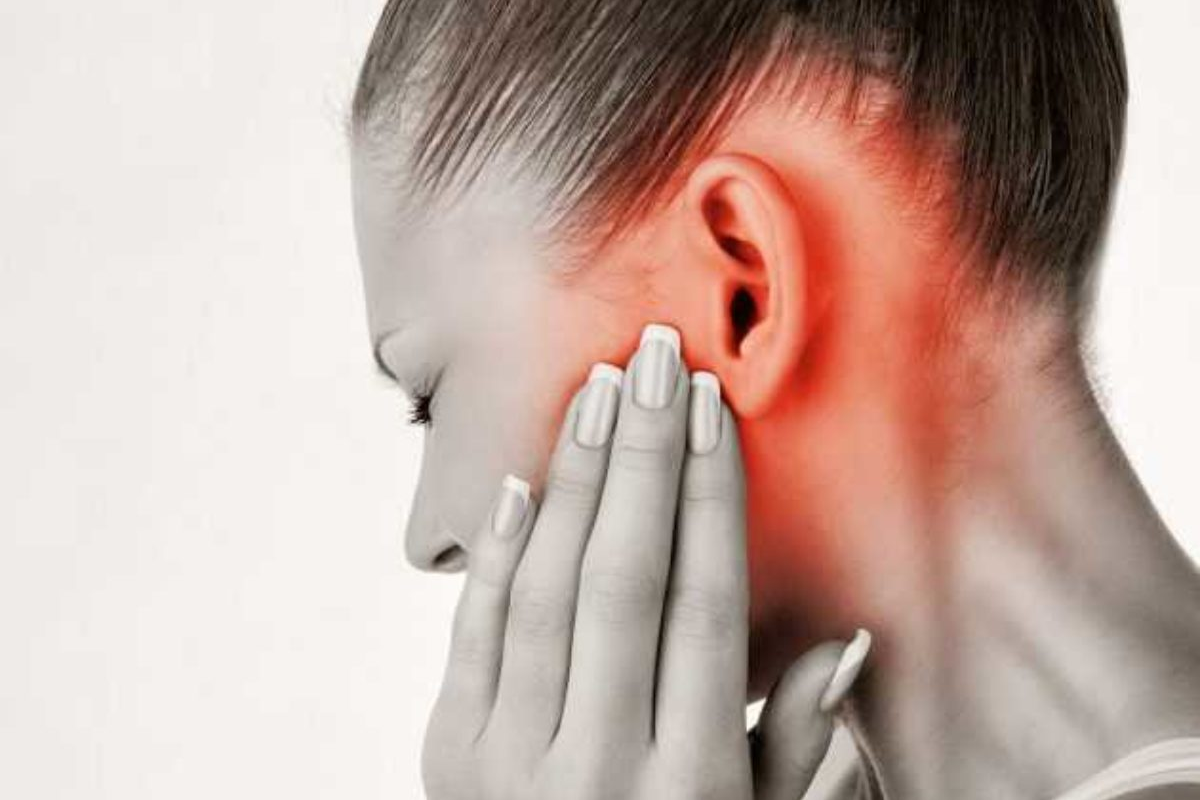
Ear pain can be a debilitating experience that signals various underlying health issues ranging from infections to pressure changes. In Baltimore, thousands of residents seek medical attention every year due to persistent discomfort in the auditory canal. Most cases of sharp or dull aching in the ear are associated with otitis, an inflammation of the middle or outer ear. Modern diagnostic tools in 2026 allow physicians to identify the exact cause of the irritation within minutes. Patients often report symptoms like temporary hearing loss, fluid drainage, or a feeling of fullness in the head. Ignoring these signs can lead to chronic complications or even permanent damage to the delicate eardrum structure. Local clinics offer specialized pediatric and adult care to address these painful conditions effectively and quickly. Expert medical advice on managing these symptoms is essential for a speedy recovery, as noted by the customreceipt.com via sumymsek.org.ua.
Understanding otitis symptoms and primary warning signs
Early detection of ear infections is crucial for preventing the spread of bacteria to the inner ear. Most patients initially experience a mild itch that rapidly transitions into intense throbbing or sharp stabs of pain. You might notice that the skin around the ear canal appears red or feels warm to the touch. In many cases, otitis is accompanied by a low grade fever or general feelings of fatigue. Children often express their discomfort by tugging at their ears or showing unusual irritability during meal times. If you notice any yellow or clear discharge, it is a sign that the infection requires professional intervention. Timely treatment reduces the risk of long term hearing impairment and significant physical distress.
Common symptoms associated with different stages of otitis:
- Persistent sharp or dull pain inside the ear canal.
- Significant muffled hearing or a sensation of being underwater.
- Visible swelling and redness of the outer ear area.
- Fluid drainage that may be clear, yellow, or bloody.
- Dizziness or a loss of balance in more severe cases.
- Tenderness when touching the ear or moving the jaw.
- Ringing in the ears, also known as tinnitus.
These symptoms can vary depending on whether the infection is acute or has become a chronic condition. Many residents in Baltimore find that seasonal changes increase the frequency of middle ear infections due to allergies. Sinus pressure often contributes to the blockage of the Eustachian tubes, creating a perfect environment for bacteria. When the tubes cannot drain properly, the resulting pressure causes the characteristic pain associated with otitis. Modern treatments now include advanced ear drops and laser therapy to reduce inflammation without invasive procedures. It is important to avoid using cotton swabs, as they can push debris deeper into the canal. Medical professionals recommend a professional cleaning if you suspect a wax buildup is complicating the infection.
Top medical facilities for ear treatment in Baltimore 2026
Baltimore is home to some of the most advanced otolaryngology departments in the United States. Patients have access to world class specialists who utilize the latest endoscopic technology for ear examinations. Most leading hospitals offer same day appointments for urgent cases involving severe pain or sudden hearing loss. The cost of a consultation typically ranges from 150 to 300 dollars depending on the insurance coverage. Many clinics now offer tele-health options for initial screenings to save time for the patient. Specialized pediatric centers provide a gentle environment for children who may be frightened by medical instruments. These facilities are conveniently located across the city, from the downtown area to the northern suburbs.
Medical centers and specialized clinics for ear care in Baltimore:
| Clinic name | Specialized services | Location |
| Johns Hopkins Otolaryngology | Advanced surgical and diagnostic care | 601 N Caroline St, Baltimore |
| Mercy Medical Center | Urgent care and infection management | 345 St. Paul Place, Baltimore |
| University of Maryland ENT | Hearing loss and chronic otitis therapy | 16 S Eutaw St, Baltimore |
| Baltimore Ear, Nose and Throat | Pediatric care and routine ear cleaning | 1005 N Calvert St, Baltimore |
| Greater Baltimore Medical Center | Laser treatment for inner ear issues | 6701 N Charles St, Baltimore |
Choosing the right facility depends on the severity of your symptoms and your specific health history. Johns Hopkins remains a leader for complex cases that might require surgical intervention or specialized testing. For routine infections, many local urgent care centers can provide immediate prescriptions for antibiotic ear drops. It is helpful to check if your provider requires a referral from a general practitioner before booking. Most clinics in Baltimore accept a wide range of private insurance plans and government health programs. After your visit, make sure to follow the complete course of treatment even if the pain subsides. Stopping medication early can lead to a return of the infection with more resistant bacteria.
Preventive measures and home care for ear health
Maintaining healthy ears involves more than just treating infections when they occur in the winter. Prevention starts with keeping the ear canals dry after swimming or bathing to avoid swimmers ear. Using high quality earplugs in loud environments can also prevent long term damage to the sensitive inner mechanisms. Many doctors recommend seasonal checkups for those who are prone to wax buildup or frequent sinus issues. Keeping your immune system strong through proper nutrition and hydration helps your body fight off potential ear pathogens. If you experience mild pressure, simple maneuvers like yawning or chewing gum can help equalize the canals.
Practical steps for daily ear protection and maintenance:
- Dry your ears thoroughly using the corner of a towel.
- Avoid inserting any foreign objects like keys or swabs into the canal.
- Use specialized drying drops after spending time in public pools.
- Manage nasal allergies promptly to prevent Eustachian tube blockage.
- Schedule a professional ear cleaning at least once a year.
- Limit exposure to high volume music through headphones or speakers.
These habits can significantly reduce the frequency of doctor visits for ear related issues. Many people do not realize that dental problems can also cause referred pain in the ear area. If your ear exam is clear, a dentist might need to check for jaw misalignment or tooth infections. Chronic ear pain can sometimes be a symptom of larger systemic issues that require a multidisciplinary approach. Always consult with a licensed professional before trying any home remedies like warm oil or herbal drops. In Baltimore, the local pharmacies stock a variety of over the counter solutions for temporary pain relief. However, these should never replace a proper diagnosis from an ENT specialist.
Earlier we wrote that Trump Introduces Comprehensive Health Care Plan Targeting Drug Costs and Insurance Premiums