 Frank Rondel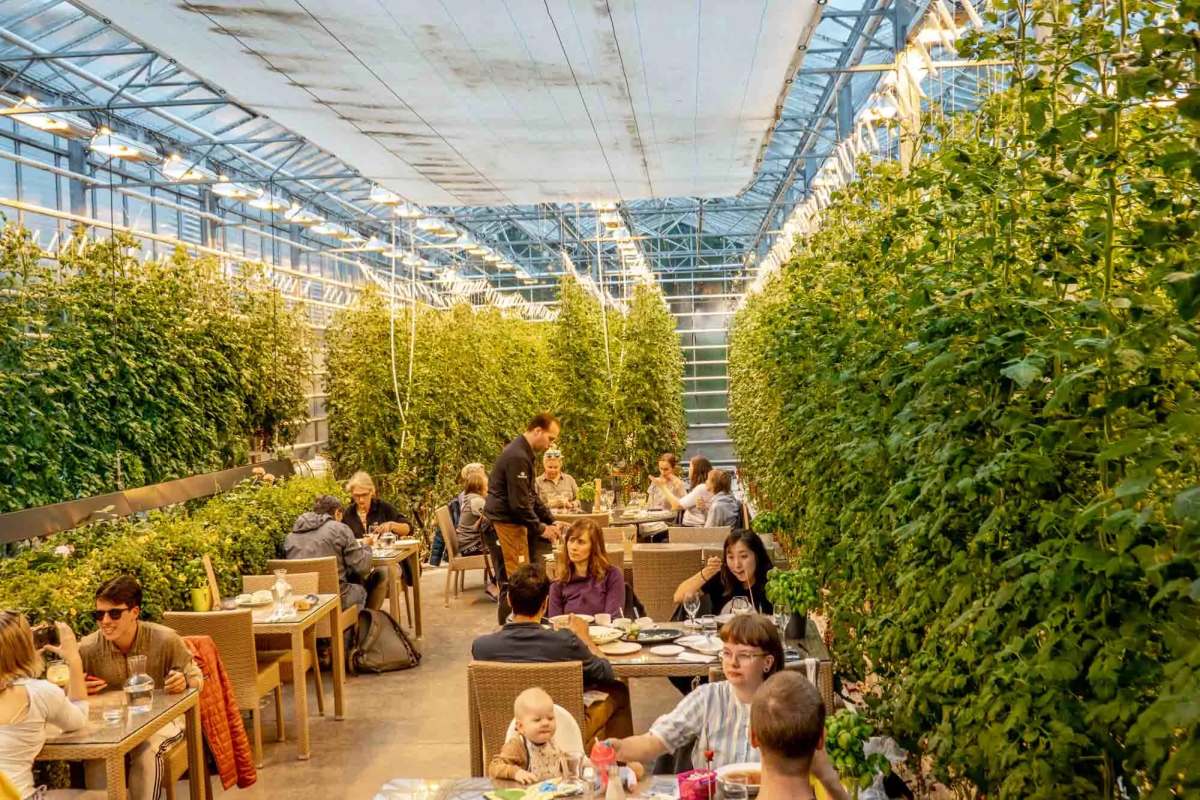
Farm-to-Table restaurants in the USA have undergone a massive transformation from a niche movement to a dominant mainstream lifestyle. This culinary philosophy emphasizes the direct acquisition of ingredients from local farmers without intermediaries or long distance transportation. Consumers in 2026 are increasingly demanding transparency regarding the origin of their food and its environmental impact. Professional chefs are responding by building deep personal relationships with regional growers and artisanal producers across the country. This shift is not just about flavor but also about supporting local economies and reducing carbon footprints. Modern diners are willing to pay a premium for seasonal produce that was harvested just hours before serving. New technology now allows customers to track the specific farm location of their meal via digital menus. As the industry evolves, the focus on sustainability and health continues to drive the popularity of these establishments. Detailed insights into this booming sector of the hospitality market are provided by the customreceipt.com.
The evolution of the local food movement in America
The journey of the Farm-to-Table concept began decades ago in places like California but has now reached every state. In 2026, the movement is characterized by high tech logistics that connect small family farms to urban centers. This ensures that even the busiest city bistros can offer fresh heirloom tomatoes and grass fed beef daily. Many restaurants have even started their own rooftop gardens to provide microgreens and herbs for their signature dishes. The economic impact is significant as billions of dollars stay within local communities instead of going to global corporations. Diners appreciate the narrative behind their plate, knowing the name of the farmer who raised the livestock. This personal connection creates a sense of trust that is often missing in traditional chain restaurants.
Key benefits of dining at local sourcing establishments:
- Superior nutrient density due to minimal storage time between harvest and consumption.
- Support for biodiversity as small farms grow a wider variety of plant species.
- Significant reduction in food waste through better inventory management and seasonal planning.
- Enhanced flavor profiles that only come from naturally ripened fruits and vegetables.
- Strengthening of the regional economy by creating jobs in the agricultural sector.
- Educational opportunities for consumers to learn about seasonal growing cycles in their area.
- Lower environmental impact thanks to the elimination of long haul trucking and excessive packaging.
These benefits have made the movement irresistible to the health conscious Generation Z and Millennial demographics. They view every meal as a political and environmental choice that reflects their personal values and ethics. Restaurant owners find that this model also builds incredible customer loyalty and a strong brand identity. While the supply chain can be unpredictable, the rewards of serving truly fresh food are well worth the effort. Many chefs enjoy the creative challenge of designing menus based on what is currently available in the fields. This dynamic approach to cooking keeps the dining experience exciting and ever changing for the regular guests.
Economic and operational realities of the farm sourcing model
Running a restaurant that relies on local farms requires a different set of skills compared to traditional dining. Managers must navigate seasonal shortages and weather conditions that might affect the availability of certain key ingredients. Prices in these establishments are often higher because small scale organic farming is more labor intensive than industrial agriculture. However, the efficiency of 2026 logistics has helped to stabilize some of these costs for the average consumer. Modern diners understand that the price reflects the true cost of high quality and ethically produced food. The profit margins can be healthy if the restaurant successfully communicates its value proposition to the target audience.
Comparison of traditional vs farm to table restaurant operations:
| Feature | Traditional Restaurant | Farm-to-Table Establishment |
| Ingredient Source | National or international wholesalers | Local farms and regional food hubs |
| Menu Design | Static and rarely changing | Dynamic and seasonal based on harvest |
| Shipping Distance | Thousands of miles on average | Usually under one hundred miles |
| Price Point | Lower due to mass production | Moderate to high due to quality |
| Flavor Profile | Consistent but often muted | Intense and varying by season |
The data shows a clear preference among high income earners for the localized model of food consumption. Many successful businesses are now expanding their reach by offering farm boxes for customers to take home. This hybrid model provides a steady stream of revenue even during slow weekdays or off peak seasons. The integration of mobile apps has made it easier for chefs to see what farmers have available in real time. This technological leap has removed many of the old barriers that once made local sourcing difficult for large venues. Now, even stadiums and convention centers are beginning to adopt these sustainable practices to meet public demand.
Sustainability and the future of American dining culture
Sustainability is the core engine driving the growth of these restaurants as we look toward the next decade. The American public is now more aware than ever of the fragility of global food supply chains. By focusing on regional production, the industry builds a more resilient and secure food system for everyone involved. Climate change has forced many farmers to adapt their techniques, and restaurants are supporting this transition. Organic practices and regenerative agriculture are no longer just buzzwords but essential requirements for modern partnership agreements. Many establishments are also moving toward zero waste goals by composting all kitchen scraps for their partner farms.
Five essential tips for finding authentic farm sourced restaurants:
- Look for a list of specific farm partners on the website or physical menu.
- Check if the menu changes frequently to reflect the current growing season.
- Ask the staff about the origin of the daily specials to test their knowledge.
- Search for certifications from local agricultural organizations or sustainability groups.
- Visit the restaurant during peak harvest times to see the variety of fresh produce.
These steps ensure that you are supporting businesses that truly walk the talk regarding their sourcing claims. Transparency is the most valuable currency in the food world of 2026 and consumers are very observant. Authentic restaurants often host community events where diners can meet the farmers and learn about their work. This transparency builds a community around the restaurant that goes beyond just a simple commercial transaction. As more people choose to eat locally, the landscape of American agriculture continues to evolve in a positive direction. The future of food in the USA is clearly rooted in the soil of our own backyards.
Earlier we wrote about Glycemic index in the USA 2026: how to measure it and why it impacts your health daily