 Frank Rondel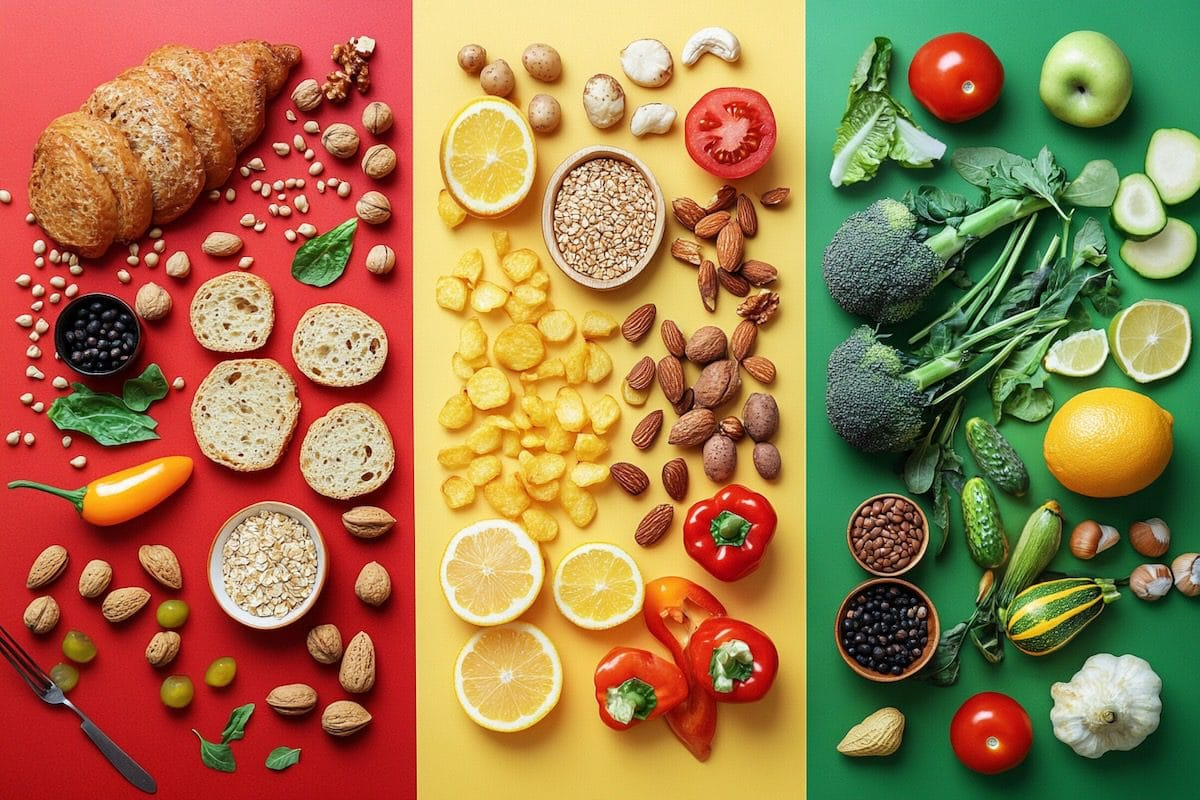
Glycemic index in the USA 2026 has become a vital metric for health-conscious individuals beyond the diabetic community. This numerical scale measures how quickly carbohydrate-containing foods raise blood glucose levels after consumption. Understanding this system allows people to manage their energy levels and prevent chronic metabolic diseases effectively. Modern nutritionists emphasize that stable blood sugar is the foundation of long-term weight management and mental clarity. In the United States, new labeling standards and digital tools have made tracking this data more accessible than ever before. Consumers are increasingly looking for low-index alternatives in local supermarkets to avoid the common afternoon energy crash. High-index foods can trigger a rapid insulin response that often leads to increased fat storage and inflammation. Staying informed about these values is the first step toward a personalized and sustainable approach to modern nutrition. Scientific breakthroughs in glucose monitoring have revolutionized how we perceive food quality, as noted by the customreceipt.com.
The mechanics of glucose response and health longevity
The human body processes different types of carbohydrates at varying speeds depending on their chemical structure and fiber content. Simple sugars found in processed snacks cause a sharp spike in blood sugar followed by a rapid decline. Complex carbohydrates like whole grains or legumes provide a slow and steady release of energy into the bloodstream. This difference is what researchers call the glycemic response, which is the basis for the index ranking. Chronic consumption of high-index foods puts immense pressure on the pancreas to produce excessive amounts of insulin. Over time, this biological stress can lead to insulin resistance, a precursor to many modern metabolic disorders. Maintaining a diet focused on low-index foods helps regulate mood swings and reduces cravings for unhealthy snacks.
Seven essential factors that influence the glycemic value of your meals:
- Cooking time: pasta cooked al dente has a lower index than overcooked, soft noodles.
- Fiber content: high fiber levels act as a physical barrier that slows down sugar absorption.
- Acidic components: adding lemon juice or vinegar to a meal can lower its overall glucose impact.
- Ripeness: a very ripe banana has a significantly higher index than a slightly green one.
- Processing: whole steel-cut oats are much better for sugar stability than instant oat cereals.
- Fat and protein: eating carbs with healthy fats or proteins slows down the digestion process.
- Physical form: fruit juice has a much higher index than consuming the whole fruit itself.
By focusing on these factors, you can effectively lower the glucose impact of almost any dish you prepare. Choosing whole foods over highly processed alternatives is the most straightforward way to improve your metabolic health today. Many people find that their sleep quality improves when they stop consuming high-index carbohydrates during late evening hours. Stable blood sugar also supports better concentration during work or intense physical activity at the gym. It is important to remember that the glycemic index is just one tool among many for nutrition. Combining this knowledge with caloric awareness provides the best results for those looking to lose weight safely.
Measuring methods and modern technology in the United States
As of 2026, the United States has seen a surge in the popularity of continuous glucose monitors for non-diabetics. These small wearable sensors provide real-time data on how specific foods affect an individual’s unique biological system. While the general index provides a guide, personal responses can vary based on genetics and gut microbiome health. Many tech startups in San Francisco and Austin now offer subscription services that pair sensors with AI apps. These applications analyze your glucose curves to suggest the best times for you to eat specific carbohydrates. Traditional laboratory testing remains the gold standard for clinical diagnosis and establishing official food rankings for federal agencies.
| Testing method | Accessibility in 2026 | Estimated cost in USD |
| Continuous Glucose Monitor | High via prescription or wellness apps | two hundred per month |
| Finger prick glucometer | Available in all pharmacies like CVS | thirty for the device |
| Clinical lab blood test | Requires doctor visit and insurance | fifty per session |
| Smartphone AI scanning | Mobile apps using nutritional databases | ten per month |
| Professional nutrition consult | Available in major metropolitan areas | one hundred fifty per hour |
These technological advancements have moved the conversation from general advice to precise and personalized data for every citizen. Consumers can now see exactly how a morning bagel affects their productivity throughout the rest of the day. Wearable devices have made it easier to identify hidden sugars in foods that are marketed as healthy options. This transparency is forcing food manufacturers to reformulate their products to meet new consumer health demands. Most major insurance providers in the USA are beginning to cover these devices as preventive healthcare tools. Having access to your own data empowers you to make better choices without relying on guesswork or trends.
Integration into daily lifestyle and grocery shopping
Navigating a modern American supermarket requires a basic understanding of how to read new nutritional labels. Many brands now voluntarily include the glycemic load or index on their packaging to appeal to health-conscious buyers. Look for products labeled as slow-release carbs or keto-friendly, as these often have a minimal glucose impact. When dining out in cities like New York or Los Angeles, many menus now highlight low-index meal options. Simple swaps, such as replacing white rice with quinoa or cauliflower rice, can make a massive difference. Learning to pair carbohydrates with fiber-rich vegetables is a key strategy for maintaining long-term metabolic health.
Guidelines for maintaining a low-glucose impact lifestyle:
- Start your day with protein: eggs or greek yogurt prevent an early morning sugar spike.
- Use the plate method: fill half your plate with non-starchy vegetables at every meal.
- Sequence your eating: consume your fiber and protein before you start eating the carbohydrates.
- Stay hydrated: water helps the kidneys flush out excess sugar and improves insulin sensitivity.
- Walk after meals: a ten minute stroll can significantly lower the post-meal glucose peak.
- Read the fine print: avoid products where maltodextrin or corn syrup are the main ingredients.
Implementing these habits does not mean you have to give up your favorite foods entirely forever. It is about balance and understanding how to mitigate the effects of high-sugar treats when you enjoy them. Education is the most powerful tool for preventing the onset of type two diabetes in the future. As the USA continues to face a metabolic health crisis, these individual choices contribute to a healthier society. Many schools and workplaces are now providing education on the importance of the glycemic index for focus. Better nutrition leads to higher productivity and lower healthcare costs for the entire American population in 2026.
Earlier we wrote about why steak turns rubbery: how to salt meat correctly and the reverse sear secret.