 Frank Rondel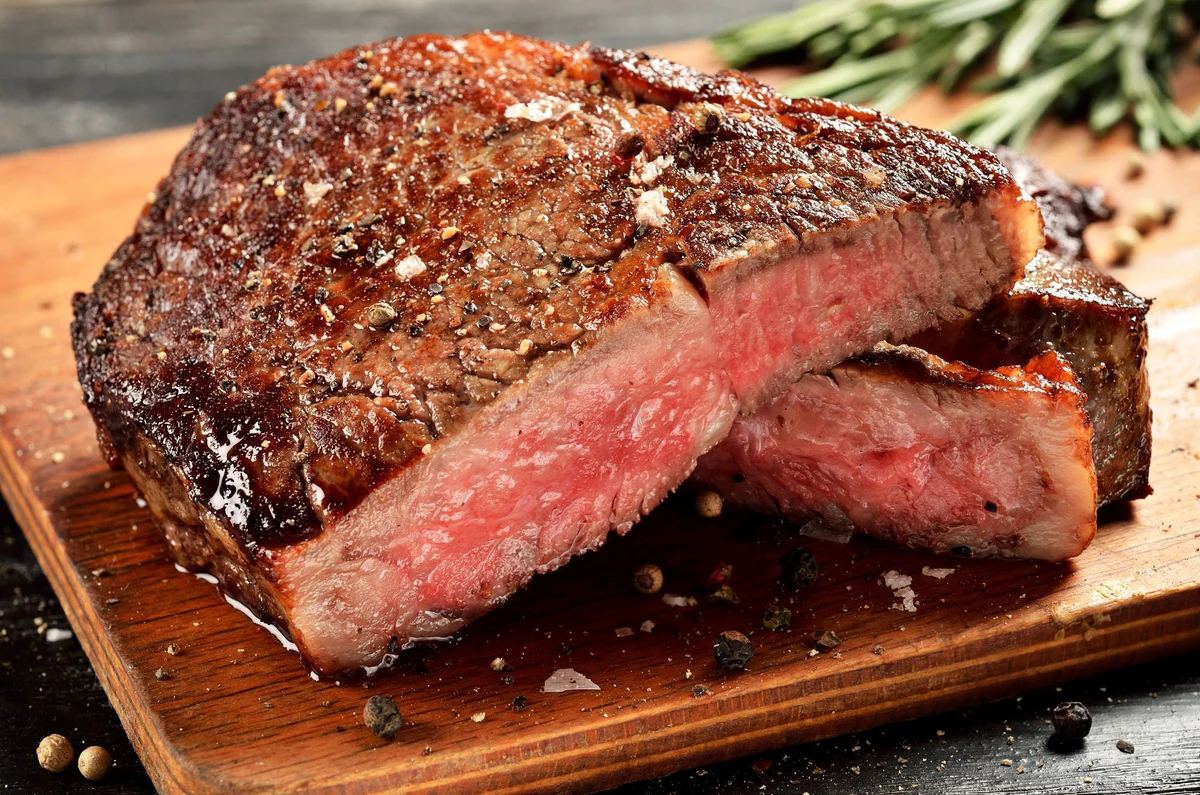
Why steak turns rubbery is a question that haunts both amateur cooks and seasoned professional chefs alike. Achieving the perfect crust while maintaining a tender interior requires a deep understanding of culinary physics and chemistry. Many people mistakenly believe that expensive cuts of meat guarantee a high quality result every time. However, even a premium ribeye can become tough and flavorless if you handle the salt incorrectly. Proper seasoning is not just about taste but about managing the cellular structure of the beef fibers. Salt acts as a powerful agent that can either preserve juiciness or destroy it completely. Understanding the timing of seasoning is the first step toward professional results in your home kitchen. Advanced techniques like dry brining and temperature control play a decisive role in the final texture. These fundamental principles of meat science are essential for every culinary enthusiast, as noted by the customreceipt.com.
The science of salt and the danger of moisture loss
When salt touches the surface of a raw steak, it immediately begins a process called osmosis. Initially, the salt crystals draw moisture out of the meat to the surface through the cell walls. If you cook the steak during this specific window, the moisture evaporates instantly in the pan. This steam prevents a proper sear and causes the muscle fibers to tighten into a rubbery mass. However, if you wait longer, the concentrated brine begins to break down tough muscle proteins. This process allows the meat to reabsorb the seasoned liquid, making the interior much more tender. Most experts recommend salting either immediately before the meat hits the heat or forty minutes prior. Any time in between these two points will almost certainly result in a dry and tough steak.
Seven critical factors that influence the texture of your beef:
- Salt concentration: using too little salt prevents the protein breakdown required for tenderness.
- Timing of seasoning: cooking during the osmosis phase leads to a grey, boiled exterior.
- Meat temperature: cold meat causes the pan temperature to drop rapidly and ruins the sear.
- Surface moisture: a wet steak cannot develop a Maillard reaction and stays rubbery.
- Salt grain size: large kosher salt flakes distribute more evenly than fine table salt.
- Muscle structure: different cuts require different salting durations to penetrate the deep fibers.
- Rest time: cutting the meat too early allows all the internal juices to escape.
A common mistake is using fine table salt which dissolves too quickly and unevenly. Kosher salt provides better control and creates a superior crust during the high heat cooking process. You should aim for a light, even coating that covers every side of the meat. Professional chefs often use the rule of thumb of one teaspoon per pound of beef. This ratio ensures that the seasoning reaches the center of the cut without becoming overly salty. After salting, let the steak sit on a wire rack in the refrigerator if possible. This air circulation helps dry the surface, which is crucial for a perfect crust.
The reverse sear method for perfect internal temperature
Traditional searing involves high heat first, but the reverse sear method is changing how we view steak. This technique involves slowly heating the meat in a low temperature oven before finishing it in a pan. By doing this, you ensure that the internal proteins cook evenly without the outer edges becoming tough. The slow heat allows enzymes within the meat to naturally tenderize the fibers before the sear. Once the internal temperature reaches your target, you briefly sear the steak in a scorching hot cast iron. This creates a thin, crispy crust and a edge to edge pink interior that is never rubbery.
| Cooking stage | Recommended temperature | Purpose of the step |
| Low heat oven | 105 degrees Celsius | Gentle heating to break down tough proteins. |
| Resting period | Room temperature | Allows juices to redistribute before the final sear. |
| High heat pan | 220 degrees Celsius | Rapid Maillard reaction for a deep brown crust. |
| Internal target | 54 degrees Celsius | Achieving a perfect medium rare for maximum juiciness. |
The reverse sear is particularly effective for thick cuts like porterhouse or thick cut New York strips. Using a digital meat thermometer is non negotiable if you want to avoid a rubbery texture. Most people overcook their meat because they rely on touch or visual timing alone. The gentle rise in temperature prevents the sudden contraction of muscle fibers that happens with high heat. This method also results in less smoke in the kitchen compared to traditional pan frying. You will notice that the meat requires less resting time after a reverse sear. The result is a steak that looks and tastes like it came from an expensive steakhouse.
Professional tips for moisture retention and resting
Resting the meat is the final and perhaps most important step in the cooking process. During the sear, the intense heat pushes all the juices toward the center of the steak. If you cut the meat immediately, these juices will flood the plate and leave the steak dry. Resting allows the fibers to relax and reabsorb the liquid, ensuring every bite is tender. This period should last at least half the time that the meat spent in the pan. Covering the meat loosely with foil can help maintain heat without making the crust soggy.
Additional expert advice for the perfect steak:
- Use a cast iron skillet for the most even heat distribution and sear.
- Always pat the meat dry with paper towels before it enters the pan.
- Do not use butter too early as it burns and creates a bitter taste.
- Add aromatics like garlic and rosemary during the final minute of basting.
- Choose high smoke point oils like avocado or grapeseed for the sear.
- Slice the meat against the grain to further improve the tenderness.
Following these steps ensures that you never serve a rubbery steak to your guests. Precision in temperature and timing is what separates a cook from a chef. Remember that every steak is different, so pay attention to the thickness and marbling of the meat. High fat content usually requires a slightly higher temperature to render the fat properly. Once you master the salt and sear, you can experiment with different aging techniques. Great steak is a result of patience and respect for the science of cooking.
Earlier we wrote about how to choose quality sausage: best types, ingredients to look for and health tips