 Frank Rondel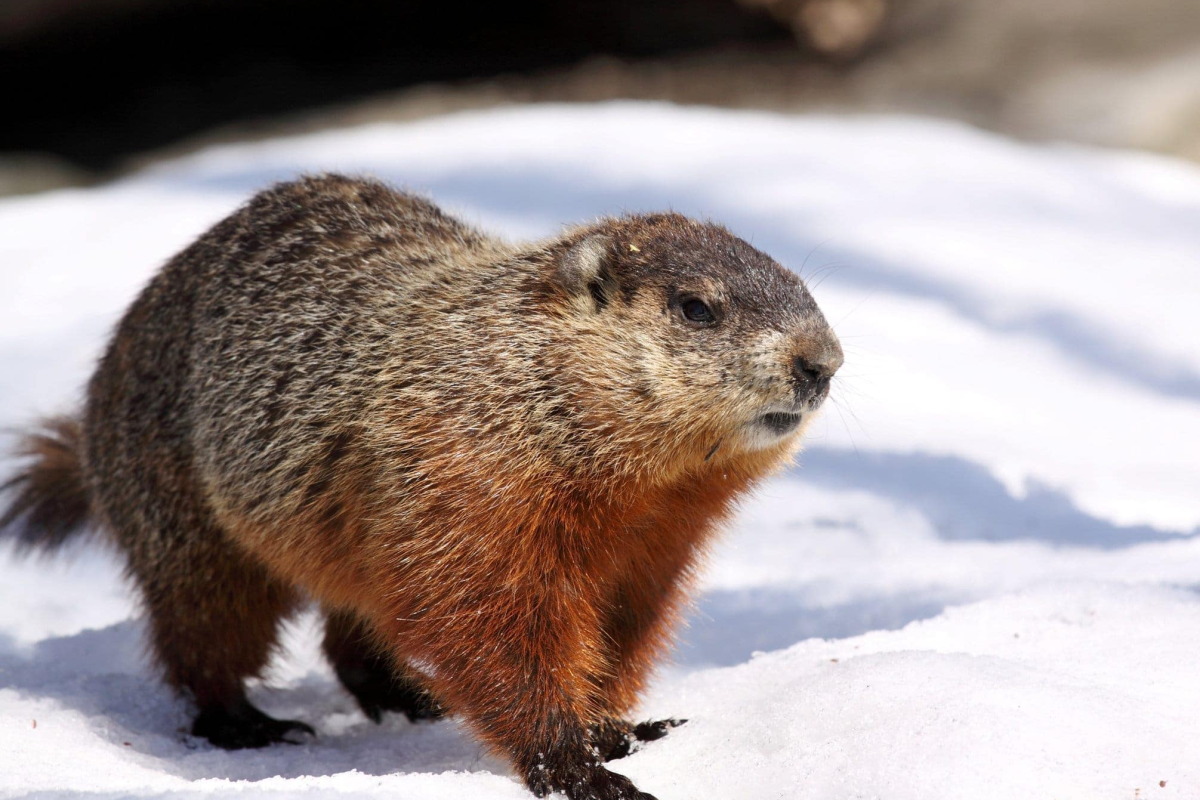
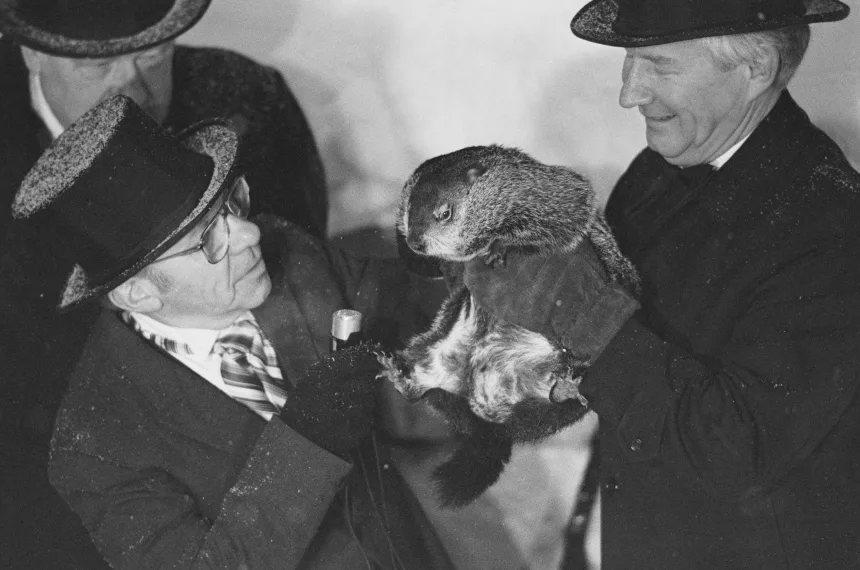
Punxsutawney, Pennsylvania — Punxsutawney Phil, the famed groundhog, emerged from his burrow Monday morning and saw his shadow, signaling six additional weeks of winter, reports customreceipt.com via CNN. The annual Groundhog Day event in Punxsutawney attracts thousands of spectators who witness Phil’s weather prediction at Gobbler’s Knob. According to tradition, if the groundhog sees his shadow, winter persists; if not, an early spring is expected.
Phil, a symbol of seasonal folklore in the United States, has been making predictions since the late 1800s. Despite his reputation, the groundhog’s accuracy is limited. Data from the National Oceanic and Atmospheric Administration (NOAA) indicate that Phil’s forecasts have been correct only about 35% of the time over the past 20 years. Last year, his prediction of an extended winter did not align with actual conditions, as February temperatures were near normal and March ranked as the sixth-warmest on record nationwide.
While Phil’s prognostications attract media attention and public interest, professional meteorologists provide more precise forecasts. Experts at the National Weather Service’s Climate Prediction Center issue temperature and precipitation outlooks across the United States for periods ranging from one week to over a year. Their February forecast shows colder-than-average conditions expected across much of the Eastern United States, while the West and Southern Plains are likely to experience above-normal temperatures. Other regions face equal chances for colder, warmer, or average conditions, reflecting the complexity of long-range weather prediction.
This winter in the United States has been markedly uneven. Areas east of the Rockies have encountered harsh cold spells, with several locations in the Great Lakes, Northeast, and mid-Atlantic regions recording some of their 10 coldest winters on record, according to NOAA. These cold waves contributed to severe storms, including significant ice accumulation in the South and heavy snowfall in the North. Boston, for instance, reported 16.7 inches of snow on January 25, ranking as its eighth-largest single-day snowfall in recorded history.
Conversely, much of the country west of the Rockies has experienced unusually warm winter conditions. Nearly 150 locations, including Phoenix and Las Vegas, are seeing record-high winter temperatures. Scientists attribute this trend to climate change, noting that winter has become the fastest-warming season for nearly three-quarters of the United States. While extreme cold and winter storms still occur, they are increasingly exceptions rather than norms in a warming climate.
Given these broader trends, Phil’s forecast of six more weeks of winter may not correspond with actual weather patterns, highlighting the symbolic rather than scientific nature of the tradition.
Earlier we wrote that Demond Wilson, Star of Sanford and Son, Dies at 79 in Palm Springs from Cancer Complications