 Frank Rondel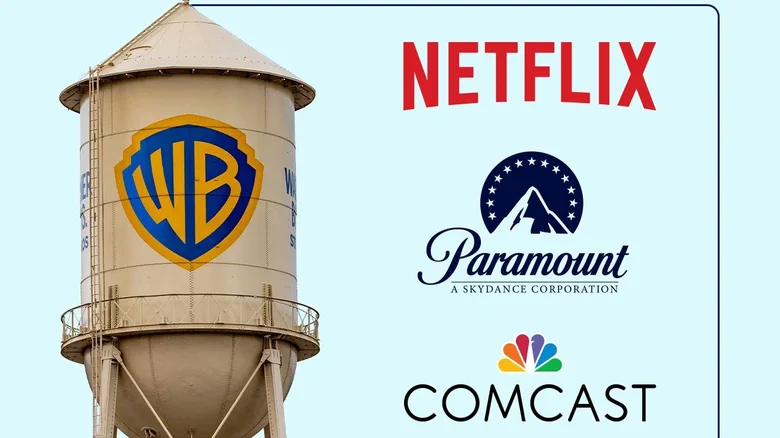
Netflix has finalized the acquisition of Warner Bros. and its streaming platform HBO Max, in a deal valued at $82.7 billion, combining two of the largest players in the streaming industry and bringing iconic franchises such as “Harry Potter” and the DC Universe, classic films like “Casablanca” and “The Wizard of Oz,” as well as popular series including “Game of Thrones,” “The Sopranos,” and “Stranger Things” under one roof, raising monopoly concerns among regulators, competitors, and theater operators, reports customreceipt.com with reference to Bgr.
The fate of Warner Bros. Discovery has been closely watched since June 2025, when CEO David Zaslav announced plans to separate the company’s film studios and streaming platform from its cable network division, which includes CNN, Cartoon Network, TNT, and HGTV. Netflix’s selection as the buyer surprised many, as the streaming service had long been considered a dark horse behind competitors Paramount Skydance, led by David Ellison, and NBCUniversal, with tech giants Amazon and Apple also showing interest. Netflix had previously downplayed the likelihood of a deal as recently as October 2025.
Despite completing the acquisition, Netflix faces an intense antitrust challenge, with regulators, industry stakeholders, and competitors voicing concerns about potential monopoly effects. Paramount Skydance escalated the situation by launching a $108 billion hostile takeover shortly after Netflix’s announcement, promising higher payouts to Warner Bros. Discovery investors and complicating the corporate landscape.
The acquisition process officially began with a public auction in October 2025, after Warner Bros. Discovery rejected three Paramount Skydance offers in favor of exploring bids from Comcast, Netflix, and other major companies. Ultimately, Netflix’s offer provided a valuation $12 billion higher than Warner Bros. Discovery’s market capitalization, alongside a $5.8 billion insurance policy should the deal fail, making it financially attractive for investors. Other bidders, including Comcast and Paramount, had proposed larger structural or financial changes, which were deemed less favorable by Zaslav and his team.
Concerns about monopoly power have dominated discussions following the acquisition. U.S. Senator Elizabeth Warren described the deal as “an anti-monopoly nightmare,” warning it could result in higher prices, fewer viewing choices, and potential risks to American workers. Hollywood figures such as Jane Fonda and James Cameron, along with unions including the Writers Guild of America, Directors Guild, SAG-AFTRA, and Hollywood Teamsters, echoed these concerns, emphasizing possible job cuts, wage reductions, and consumer impacts. By acquiring HBO Max’s 128 million subscribers, Netflix now controls a substantial majority of the streaming market, combining its existing 300 million subscribers with HBO Max to create a dominant market position with a $21.7 billion combined content budget.
The acquisition has also raised questions about the future of theaters. Industry insiders, including major producers, have warned Congress that the merger could severely impact theatrical box office revenues, potentially reducing domestic earnings by roughly 25%. Netflix CEO Ted Sarandos has repeatedly described cinemas as outdated and has prioritized streaming releases over theatrical windows. While Netflix has pledged to honor Warner Bros.’ existing theatrical contracts through 2029, industry observers note that these commitments are legally required rather than an endorsement of cinema.
Paramount Skydance continues to contest the deal, having submitted a $108.4 billion hostile bid that includes financing from Saudi, Qatari, and Abu Dhabi sovereign wealth funds, alongside Jared Kushner’s Affinity Partners. Paramount has sought to include Warner Bros. Discovery’s cable assets, such as CNN, in its proposal, raising further antitrust concerns and potential political implications, particularly regarding media influence and content oversight.
Even if Netflix successfully defends its acquisition, the company will face intense regulatory scrutiny both domestically and internationally, with European regulators likely reviewing the deal due to the studios’ global reach. Consumer class actions are also anticipated, challenging potential anticompetitive impacts and addressing market definitions that may include broader media competitors such as YouTube and Meta.
Industry analysts predict that the merger will lead to job reductions, with both Netflix and Paramount citing acquisitions as cost-saving measures. Estimates suggest a potential reduction of thousands of positions, alongside a likely decrease in overall film output, reflecting patterns observed in prior legacy studio acquisitions such as Disney’s purchase of 20th Century Fox.
Ultimately, the acquisition may reshape the film and streaming industry, potentially limiting consumer choice, reducing the number of theatrical releases, and consolidating power among a small number of dominant companies. Fans and industry members alike may face fewer viewing options and increased costs as a result of the merger.
Earlier we wrote that Trump Declares Christmas Eve and Dec. 26 Federal Holidays in 2025 for Government Workers.