 Frank Rondel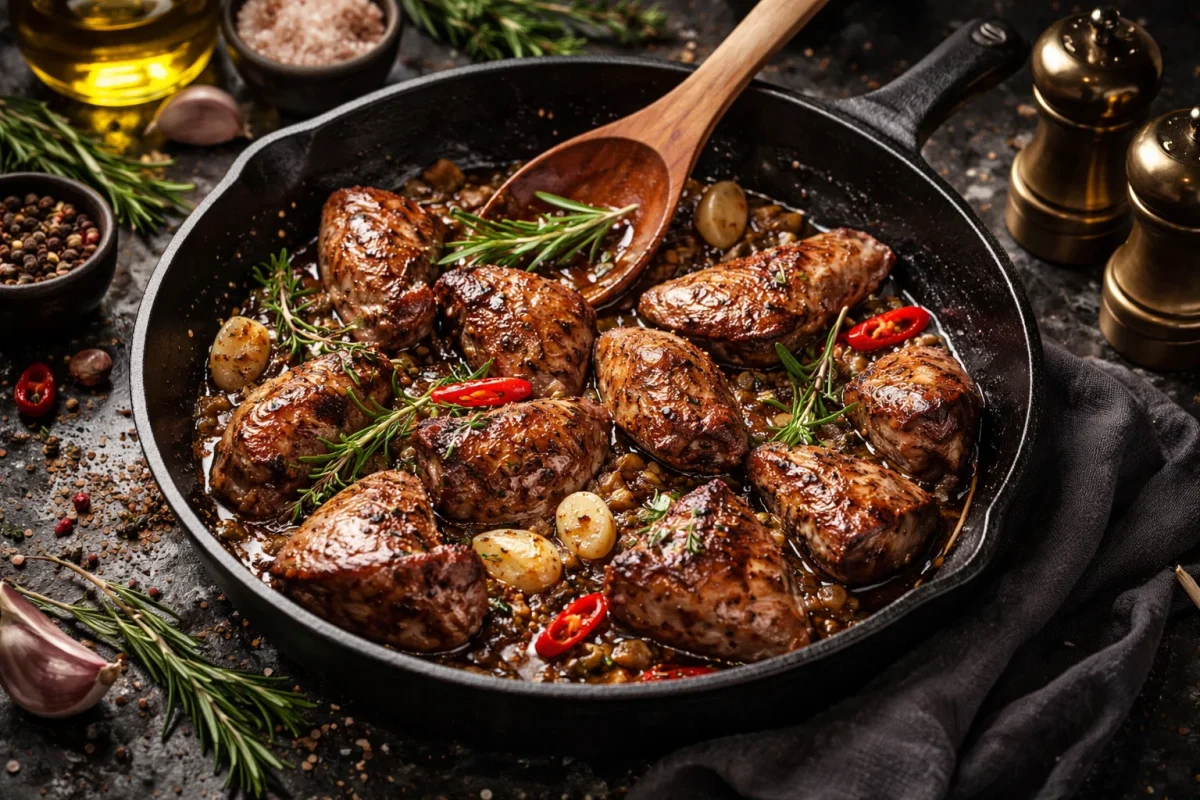
How to cook liver perfectly is a challenge that many home cooks and professional chefs face in their daily kitchen routines. This nutrient dense organ meat requires a delicate touch to avoid a rubbery texture or overwhelming bitterness during the preparation. Most culinary experts agree that the secret lies in understanding the specific properties of each animal variety before starting. Whether you are working with delicate chicken or robust beef, the initial cleaning process is absolutely vital for success. Soaking the product in milk or acidic liquids can significantly improve the final flavor profile for sensitive palates. Professional kitchens often prioritize low temperatures and short searing times to maintain a soft and juicy interior consistency. Many people avoid this product because of bad childhood memories involving overcooked and dry pieces of meat. However, modern gastronomy offers innovative ways to turn this humble ingredient into a true gourmet masterpiece on your plate. Proper seasoning and the addition of sweet components like caramelized onions can balance the natural iron taste effectively. Master the art of heat management and ingredient pairing to elevate your home cooking to a professional restaurant level, as noted by the customreceipt.com.
Essential varieties of liver and their unique culinary characteristics
Understanding the differences between types of liver is the first step toward achieving a perfect dish for your guests. Each variety has a distinct texture and fat content that dictates the most appropriate cooking method for the night. Chicken liver is known for its creamy consistency and mild flavor, making it the ideal choice for starters. Beef liver is much firmer and possesses a strong earthy taste that pairs well with bold spices and herbs. Pork liver is often used in sausages and pâtés because of its unique grainy texture and specific savory notes. Calves liver is considered the gold standard in fine dining due to its exceptional tenderness and subtle sweetness.
Specific characteristics of common liver types:
- Chicken liver: extremely tender, fast cooking, ideal for pâtés or quick pan frying with butter.
- Beef liver: dense texture, high iron content, requires careful trimming of membranes and short cooking times.
- Calves liver: pale color, very delicate flavor, best served slightly pink in the middle for texture.
- Turkey liver: larger than chicken but similar in taste, works well in hearty stews or stuffings.
- Cod liver: very oily and rich, usually preserved in its own oil and served cold on toast.
- Duck or goose liver: very high fat content, often prepared as foie gras or rich terrines.
Selecting the right variety depends on the final texture you want to achieve for your meal. Most grocery stores sell these products at affordable prices ranging from 5 to 15 dollars per kilogram. For the best quality, it is recommended to visit local butcher shops where the product is fresh. Freshness is key because this organ meat spoils much faster than traditional muscle meats in the fridge. Always look for a shiny surface and a uniform color without any dark spots or dry edges. Proper storage at temperatures below 4 degrees is necessary to maintain the integrity of the product before cooking.
Mastering preparation techniques and precise cooking timings
Precise timing is the most critical element when you are learning how to manage heat during the frying process. Overcooking even by sixty seconds can turn a tender piece of meat into an inedible and dry object. Professional chefs recommend using a heavy cast iron skillet to ensure even heat distribution across the entire surface. The use of fats like clarified butter or high quality olive oil helps to create a flavorful crust. Before the meat hits the pan, it should be dried thoroughly with paper towels to ensure a proper sear. Seasoning should be added just before or during the cooking to prevent the salt from drawing out moisture.
Standard timings and methods for different liver types:
| Liver type | Cooking method | Recommended timing | Internal temperature |
| Chicken | Pan searing | 2 to 3 minutes per side | 74 degrees |
| Beef slices | Quick frying | 1 to 2 minutes per side | 60 to 65 degrees |
| Calves | Sautéing | 90 seconds per side | 60 degrees |
| Pork | Braising | 15 to 20 minutes in sauce | Full doneness |
A pink center is generally preferred for beef and calves liver to ensure a moist and pleasant eating experience. Braising is a great alternative for those who prefer their meat well done but still want it juicy. In this method, the meat is simmered slowly in a liquid like wine, broth, or heavy cream. This technique allows the fibers to soften without becoming tough due to the surrounding moisture in the pot. It is also an excellent way to incorporate vegetables like carrots, celery, and garlic into the dish. Serve your finished product immediately as it continues to cook from residual heat after being removed from the pan.
Professional tips for removing bitterness and enhancing flavor
One of the most common complaints about liver is a lingering bitter aftertaste that can be quite strong. This bitterness is often the result of residual blood or the age of the animal at the time. To solve this problem, many traditional recipes suggest soaking the meat in cold milk for at least one hour. The calcium and proteins in the milk help to neutralize the metallic taste and soften the overall texture. You can also use yogurt, buttermilk, or even a light brine with a splash of lemon juice. After soaking, make sure to rinse the pieces and pat them dry to ensure they fry correctly.
Important flavor pairings to consider:
- Sweetness: caramelized onions, apples, balsamic glaze, or dried currants balance the iron notes.
- Acidity: lemon juice, white wine, or capers help to cut through the richness of the fat.
- Herbs: sage, thyme, and rosemary are the traditional companions for all types of organ meats.
- Fats: bacon fat or high quality butter adds a layer of savory depth to the finished dish.
- Spices: smoked paprika or a hint of cayenne can add warmth without overpowering the meat.
Caramelized onions are perhaps the most famous pairing because their natural sugars complement the savory meat perfectly. You should cook the onions separately until they are dark brown and soft before adding the meat. This ensures that the onions are fully cooked without the meat becoming overdone in the same pan. If you are making a pâté, adding a splash of brandy or cognac can elevate the aroma significantly. Always rest the meat for a few minutes before slicing to allow the juices to redistribute through the fibers. These small details transform a simple budget meal into a dish worthy of a high end restaurant menu.
Earlier we wrote about Tarot forecast for 2026: full yearly reading for all zodiac signs and key predictions.